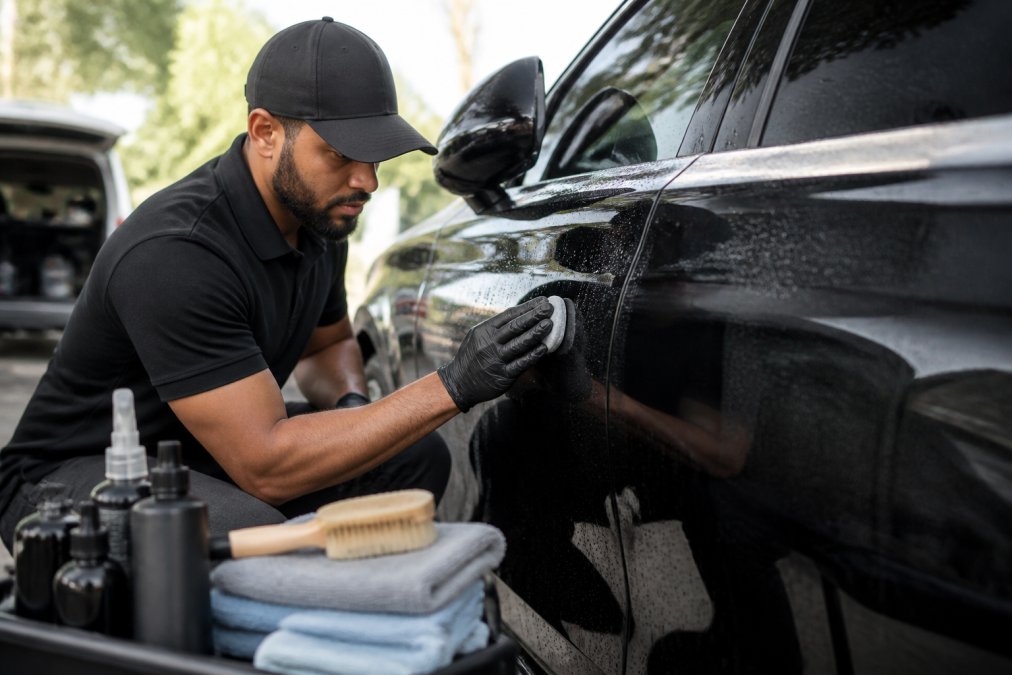
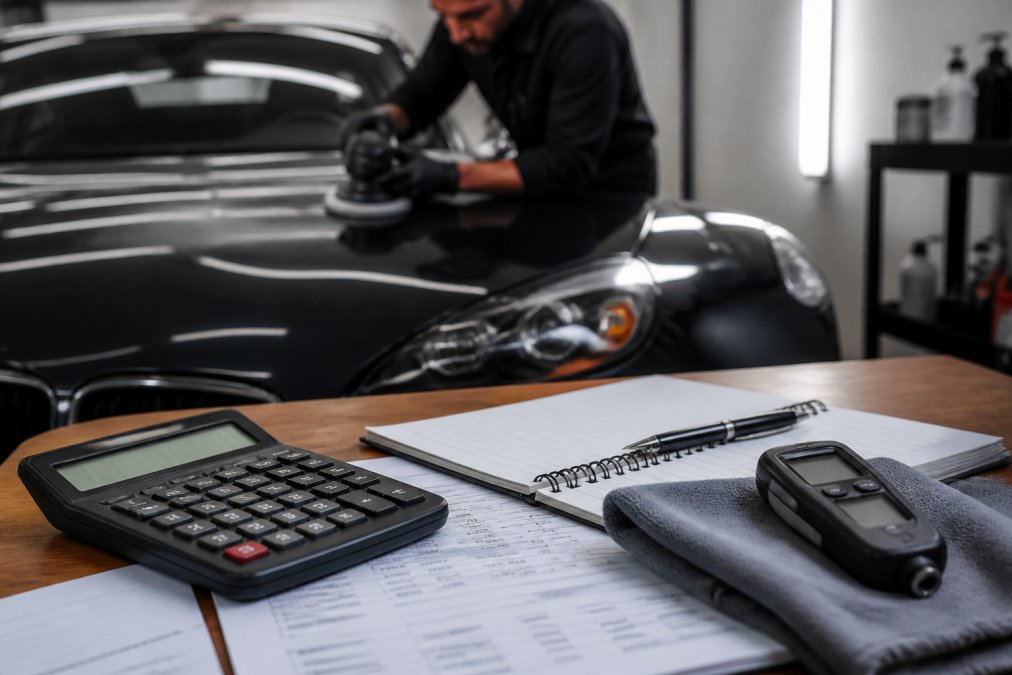
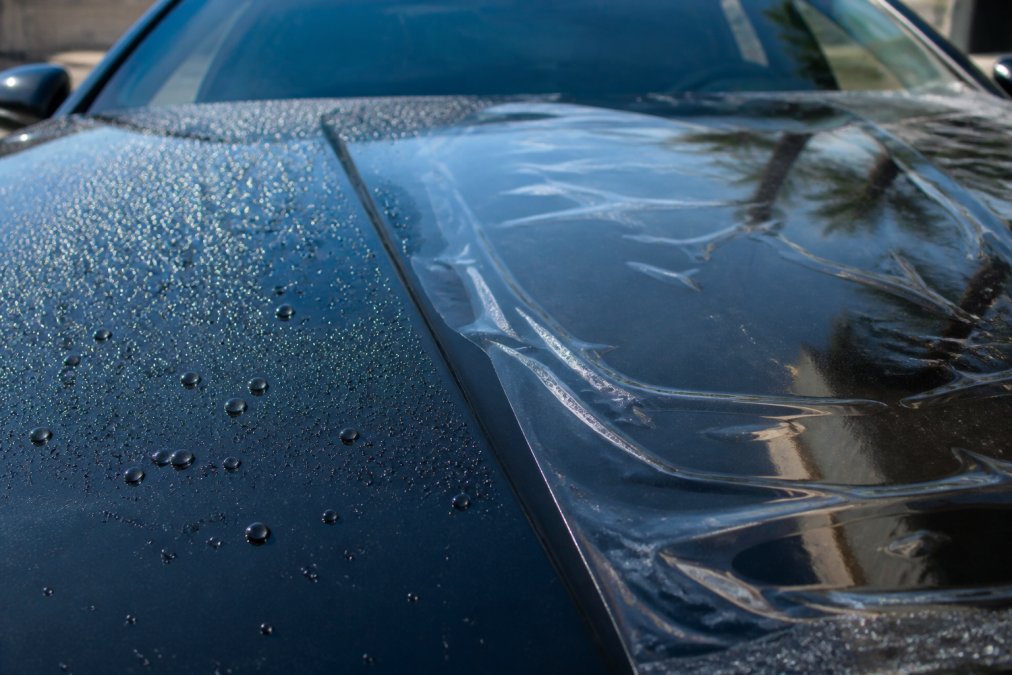
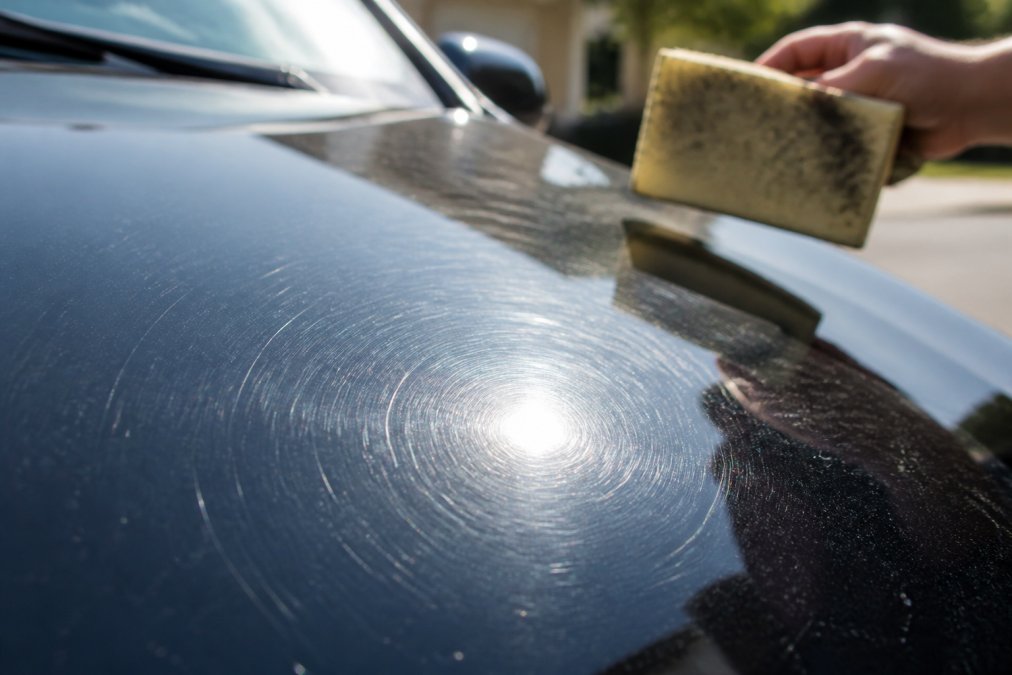
Welcome to Clean Image Mobile, we are a fully mobile car detailing service that brings professional auto care directly to you.

Expert Car Detailing Tips for Commuters

Table of Contents

Last Updated: September 7, 2026

Your daily commute is one of the harshest environments your car’s finish and interior will ever face. Between highway grime, baked-on bug splatter, UV rays, and the constant wear of getting in and out, a daily driver accumulates damage that weekend-only cars never see. That’s why expert car detailing tips for commuters focus less on occasional deep cleans and more on consistent, smart maintenance, and these car detailing tips are essential for preserving your daily driver. The biggest difference between a well-kept commuter car and a neglected one isn’t money, it’s routine.

Most guides treat car care as an all-day weekend project, which fails for anyone who drives to work daily. A few targeted, 10-minute habits will protect your paint and interior far better than a monthly marathon. Below, we’ll show you how to build a routine that fits between meetings and protects your resale value.

Why Your Commute is Harder on Your Car Than You Think

Commuter vehicles face a unique combination of stressors that garage-kept cars simply don’t encounter. Highway driving bombards your front bumper and hood with abrasive debris, while stop-and-go traffic generates brake dust that embeds itself in your wheels. The sun beating through your windshield during a parked workday degrades dashboard plastics and leather, causing fading and cracking over time.

The most overlooked culprit is the simple act of entering and exiting your vehicle. Each time you slide across the seat, you transfer oils and friction to your upholstery. Coffee spills, fast-food crumbs, and dust from your shoes accumulate in carpet fibers, creating an environment where odors and bacteria thrive. Interior air quality suffers too, which matters when you spend an hour or more breathing that air twice daily.

The 5-Step Weekly Maintenance Routine for Daily Drivers

Generic detailing advice assumes you have a free Saturday and a driveway. Commuters don’t. The winning strategy is a structured, time-boxed routine that fits into a busy workweek. This system is designed for a 30-minute block, split into two 15-minute sessions, and requires no hose or dedicated garage space.

A busy professional in a parking garage using a microfiber towel to wipe down a car dashboard, with a detailing spray bottle nearby

Session 1: The 15-Minute Interior Reset (Tuesday or Wednesday)

This session targets the high-traffic zones that accumulate the most visible grime mid-week. It’s a strategic reset to keep your cabin presentable for clients or passengers.

  1. The 2-Minute Trash and Debris Sweep: Before you touch a towel, remove all visible trash, loose change, and debris from the door pockets, cup holders, and under the seats. This prevents dirt from being ground into the carpet later.
  2. The 5-Minute Targeted Vacuum: Skip the whole floor. Focus exclusively on the driver’s footwell, the seat tracks, and the gap between the seat and the center console. These are the areas where dirt and crumbs accumulate fastest and are the first places a passenger notices. A cordless handheld vacuum with a crevice tool is ideal for this task.
  3. The 8-Minute Surface Wipe-Down: Use a damp (not dripping) microfiber towel with a quick detailer spray to wipe down the dashboard, steering wheel, door panels, and center console. The key is to use a product with UV inhibitors to protect against sun damage from your daily windshield exposure. A rapid-application spray like the Auto Finesse Spritz Interior Quick Detailer removes light dust while leaving a non-greasy, matte finish that doesn’t create glare on your windshield.

Session 2: The 15-Minute Exterior Spot Clean (Friday or Saturday)

This session is about preventing paint damage, not achieving a show-car shine. It addresses the contaminants your car picked up during the week’s commutes.

  1. The 3-Minute Wheel and Tire Check: Spray your wheels with a dedicated wheel cleaner and let it dwell for 2-3 minutes. This loosens brake dust before you even touch them. A quick rinse with a spray bottle or a damp towel will remove the bulk of the dust, preventing it from baking onto the wheel surface over the weekend.
  2. The 10-Minute Waterless Wash: This is the core of the commuter routine. The Garry Dean Method, popular among detailing enthusiasts, is the most effective technique for this. It uses multiple microfiber towels soaked in a rinseless solution, allowing you to safely wash your car in a parking lot or garage with minimal water. The process is simple: fold a soaked towel into quarters, wipe a single panel with light pressure, then flip to a clean side for the next panel. This prevents paint swirls because each panel gets a fresh, clean towel section, never redistributing dirt across your clear coat.
  3. The 2-Minute Glass and Mirror Wipe: Use a dedicated glass cleaner and a separate, dry microfiber towel to clean the inside and outside of your side mirrors and the rear windshield. This is a safety-critical step that takes seconds but dramatically improves visibility.
Pro Tip
The Garry Dean Method has a learning curve. Practice on your lower panels first. If you press too hard or use a dirty towel, you’ll drag grit across your automotive paint. The technique rewards patience and light pressure.

This two-session structure breaks the task into manageable chunks that don’t interfere with your workweek. It’s about consistency, not perfection, and it will keep your car presentable and protected without sacrificing your weekend.

How Often to Detail a Car That’s Driven Daily

The ideal detailing frequency for a daily driver balances protection with your available time. For interior detailing, a light weekly wipe-down keeps dust and grime from building up. A deeper interior vacuuming and surface cleaning should happen every two to three weeks to address accumulated debris in carpets and upholstery.

Exterior washing depends on your environment. If you park under trees or near construction, wash weekly. If you drive mostly on clean highways, a bi-weekly exterior wash with a pH-neutral car shampoo using the two-bucket method prevents contaminant buildup without stripping your wax or sealant. A full professional detailing service, including paint decontamination with a clay bar, should occur every three to four months to remove embedded contaminants that regular washing misses.

Watch Out
Skipping regular washes to save time actually costs you more later. Bird droppings, tree sap, and bug splatter etch into clear coat permanently if left for weeks. What starts as a free wash turns into a paint correction bill.

Best Interior Car Cleaning Products for Commuters

Choosing the right products matters more than the time you spend cleaning. For commuters, the best interior car cleaning products prioritize speed, UV protection, and safe application across multiple surfaces. Your dashboard, door panels, and center console are typically made of different materials, so a versatile product saves you from juggling multiple bottles.

The Core Product Trio

  1. A Versatile Quick Detailer Spray: Look for a spray that works on plastics, vinyl, and rubber. The Auto Finesse Spritz mentioned earlier fits this role well, offering UV inhibitors and a matte finish at a reasonable price point. This is your primary tool for the weekly wipe-down.
  2. A Dedicated Fabric Spot Treatment: For upholstery, keep a dedicated spot treatment spray on hand for coffee spills and stains. Address spills immediately by blotting, never rubbing, which pushes the liquid deeper into the fibers. A product with an enzyme-based formula is effective for breaking down organic stains like coffee or food.
  3. A pH-Neutral All-Purpose Cleaner (APC): A diluted APC is a versatile workhorse for tackling tougher grime on door jambs, floor mats, and plastic trim. It’s more aggressive than a quick detailer but safe for most interior surfaces when diluted correctly. Always test in an inconspicuous area first.

The Overlooked Commuter Priority: Cabin Air Quality

While product selection is important, the most significant interior health factor for commuters is the air you breathe. You spend 1-2 hours daily in a sealed environment, and the cabin air filter is your first line of defense against pollen, dust, and exhaust fumes. cleaning tips for professionals.

Most manufacturers recommend replacing the cabin air filter every 12,000 to 15,000 miles or at least once a year (fleetowner.com). For commuters who sit in traffic, this interval should be shortened to every 6-12 months. A clogged filter reduces airflow, strains your HVAC system, and can circulate stale, musty air. Replacing it is a simple DIY task that takes about 10 minutes and requires no tools on most vehicles. You can find the filter location in your owner’s manual or via a quick online search. A clean filter is a more impactful upgrade to your daily driving experience than any interior spray.

Watch Out
A neglected cabin air filter is a silent health hazard. It can harbor mold, bacteria, and allergens that are blown directly into your face every time you turn on the fan. If you notice a musty smell when you first turn on your AC, your filter is likely overdue for a replacement.

A Note on Microfiber Maintenance

The best product in the world is useless if your application tool is dirty. Microfiber towels are the workhorse of detailing, but they require specific care. Wash them separately from cotton towels and other laundry to prevent lint transfer. Use a liquid detergent that is free of dyes and fragrances, and never use fabric softener, which coats the fibers and destroys their absorbency. Air-dry them or use a low-heat setting in the dryer. A clean, plush microfiber towel is the single most important tool in your detailing arsenal.

Protecting Your Paint from Highway Grime and Sun

Your car’s front end takes the brunt of highway driving. Bug splatter, small stones, and road salt all impact your bumper, hood, and mirrors. Without protection, these contaminants etch into your clear coat, leaving permanent marks that dull your finish.

Book professional car care today →

Paint Decontamination and Protection Options

Paint protection falls into two categories: temporary and long-term. Traditional waxes and sealants provide a few months of protection and require reapplication. Ceramic coatings like the CarPro CQuartz system offer a more durable solution, creating a hydrophobic barrier that makes washing dramatically easier and protects against environmental contaminants for years.

For commuters, the appeal of a ceramic coating is time savings. Water beads off, dirt doesn’t stick as aggressively, and your weekly waterless wash takes half the time. The trade-off is the initial cost and the careful surface preparation required before application. A professional detailer handles the decontamination and application correctly, ensuring the coating bonds properly to your automotive paint.

Mobile Car Detailing Benefits for Time-Strapped Professionals

Mobile car detailing benefits extend beyond convenience for busy commuters. When a professional team comes to your office or home, you eliminate the downtime of driving to a shop and waiting. The service happens while you work, attend meetings, or spend time with family, making it the most efficient way to maintain a high-standard vehicle.

Consumer Reports’ guide on car care frequency notes that regular maintenance prevents costly repairs, and the same logic applies to your car’s appearance. Professional mobile detailers bring expertise and equipment that outperform DIY efforts, particularly for tasks like bug removal and paint restoration. A service that includes exterior wash, interior vacuuming, and surface cleaning can typically be completed in under an hour, fitting neatly into a lunch break.

Common Mistakes Commuters Make with Their Car’s Finish

The most damaging habits aren’t neglect, they’re well-intentioned but incorrect care methods. Dish soap strips protective wax, and automatic car washes with spinning brushes introduce fine scratches and swirls. Both seem convenient but create long-term problems.

Another frequent error is using the same microfiber cloth for wheels and paint, as wheel towels pick up abrasive particles that scratch your clear coat. Wiping dust off a dry car with a dry towel also acts like sandpaper. Always use a lubricated wash method or a quick detailer spray.

Your Commuter Car Care Schedule: A Simple Plan

Task Frequency Time Required Best Method
Interior wipe-down Weekly 10 minutes Microfiber + quick detailer spray
Interior vacuum Every 2-3 weeks 15 minutes Handheld vacuum, focus on footwells
Exterior spot clean Weekly 15 minutes Waterless wash method
Full exterior wash Bi-weekly 30-45 minutes Two-bucket method, pH-neutral shampoo
Paint protection check Monthly 5 minutes Test water beading on hood
Professional detail Every 3-4 months 1-3 hours Mobile detailing service

This schedule protects your vehicle without demanding your entire weekend. The weekly tasks take about 30 minutes total. For weeks when even that feels impossible, a professional detailing service bridges the gap.

The American Automobile Association’s vehicle maintenance tips emphasizes that consistent care extends vehicle life and preserves value. That principle applies to aesthetics as much as mechanics. A car that looks well-maintained also tends to be better maintained mechanically, because you notice issues sooner when you’re regularly inspecting and cleaning your vehicle.

The difference between a commuter car that looks old and one that looks new comes down to consistency, not expensive products. A few minutes each week, the right supplies, and the occasional professional deep clean will keep your daily driver looking sharp. When your schedule won’t allow a thorough DIY session, professional mobile detailing from Clean Image 101 brings the expertise to your driveway or office parking lot. Book professional car care today and give your commuter vehicle the protection it deserves.

Frequently Asked Questions

How often should commuters get their car professionally detailed?

For a daily driver, a professional detail every 3 to 4 months is a solid baseline. This frequency handles the build-up of road grime, interior dust, and UV damage that accumulates during a commute. Between those visits, a quick monthly interior wipe-down and exterior waterless wash keeps things presentable. If you park outside or have a long highway commute, you might move to every 2 to 3 months to stay ahead of environmental contaminants.

What are the best interior car cleaning products for commuters?

Look for a few versatile essentials. A quick interior detailer spray, like Auto Finesse Spritz, is perfect for a fast weekly wipe-down of dashboards and consoles, offering UV protection to prevent cracking. Keep a pack of high-quality microfiber towels dedicated to interior surfaces. For spills or high-traffic stains on fabric upholstery, a dedicated spot cleaner and a small upholstery brush will handle most issues before they set.

What is the most effective way to remove road grime from a daily driver?

The safest method for a daily driver is a rinseless or waterless wash technique, such as the Garry Dean Method. This approach uses a high volume of microfiber towels and a lubricating solution to lift grime away from the paint without scratching. It is ideal for commuters without access to a hose and is gentle enough to use weekly. For heavier build-up, a traditional two-bucket wash with a pH-neutral car shampoo and a microfiber wash mitt is more thorough.

How can I protect my car’s paint during a long daily commute?

A ceramic coating, such as CarPro CQuartz, is one of the best defenses for a commuter vehicle. It creates a durable, hydrophobic layer that makes it harder for road grime and bug splatter to bond to your automotive paint. This means your weekly wash is faster and safer. If a full ceramic coating isn’t in the budget, a quality spray sealant applied every few months offers a good balance of protection and ease of use.

What essential detailing tools should every commuter keep in their trunk?

Keep a small kit for quick touch-ups. Include a few plush microfiber towels for dusting and spot cleaning, a bottle of quick detailer spray for light grime, and a separate glass cleaner with its own towel to avoid streaks. A small interior brush is useful for dislodging dust from air vents. This setup lets you handle a coffee spill or a dusty dash in minutes, keeping your car professional between full details.

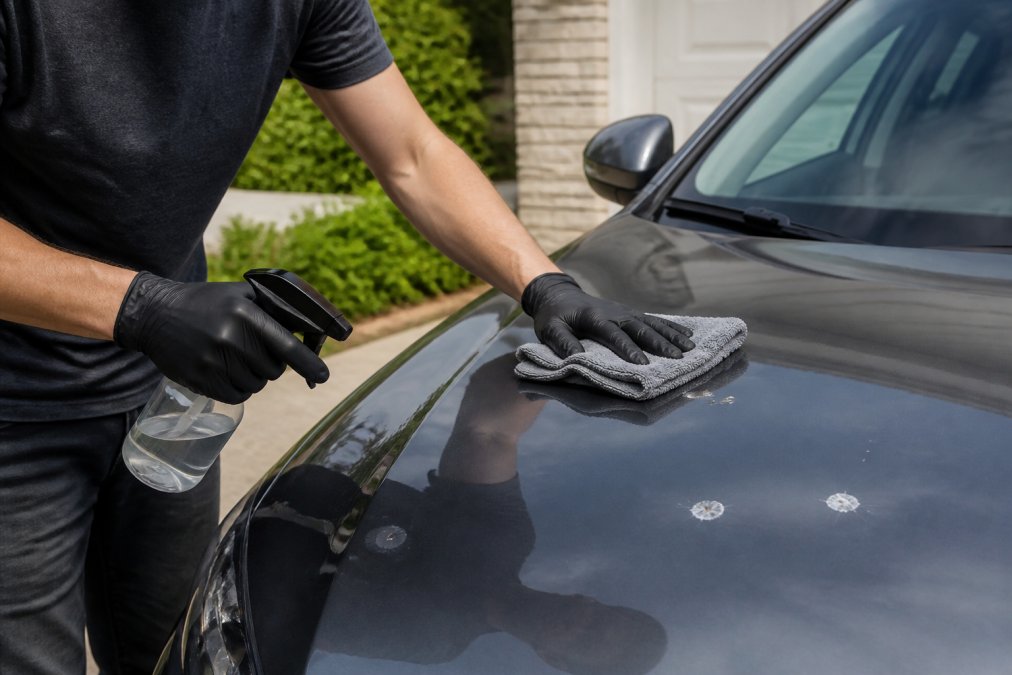
How to Remove Baked On Bug Splatter (2026 Guide)

Table of Contents

Last Updated: September 6, 2026

Baked on bug splatter is more than an eyesore; it is an acidic organic residue that can permanently etch your vehicle’s clear coat if left untreated. The heat from your engine hood and direct sunlight essentially bakes these insect remains onto the paint, making them harder to remove the longer they sit. This guide from Clean Image 101 walks you through the safest, most effective methods for removing baked on bug splatter without scratching your finish, covering everything from pre-soaking techniques to clay bar treatments.

Why Baked On Bug Splatter Damages Your Car Paint

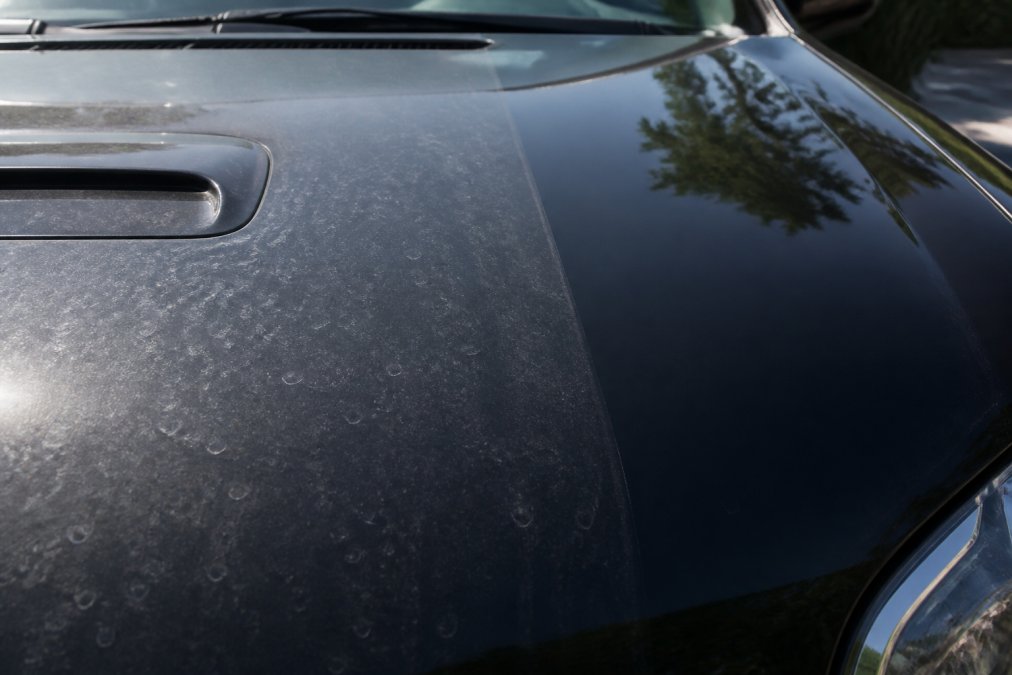
The primary danger of bug splatter comes down to chemistry and time. Insects contain organic acids and enzymes designed to break down organic matter, and unfortunately, your car’s clear coat is vulnerable to these compounds. When the sun bakes the splatter onto the surface, it creates a concentrated, acidic residue that begins eating into the clear coat, leaving behind a permanent “ghost” outline or paint etching.

Many drivers assume a simple car wash will solve the problem. In practice, standard soap and water are rarely strong enough to dissolve the caked-on proteins and chitin that make up dried bug residue. The longer the splatter remains, the deeper the contamination can set, which is why acting quickly and using the right technique matters more than elbow grease. Automotive paint is a multi-layer system, and once etching penetrates the clear coat, the only true fix is professional paint correction to level the surface again.

What You’ll Need: Best Bug and Tar Remover for Cars

When you are searching for the best bug and tar remover for cars, you want a product specifically formulated to break down organic matter rather than a general all-purpose cleaner. A dedicated bug remover typically uses solvents or enzymes that target the proteins and fats in insect residue, allowing you to wipe the splatter away without aggressive scrubbing (peer-reviewed research). Products labeled as pH-balanced are safer for your wax layer and clear coat, while generic degreasers can strip your protection and dry out rubber trim.

Chemical Removers vs. Natural Solutions

Chemical bug removers are the most effective option for baked on splatter because they are engineered to dissolve the specific biological compounds in insect residue. They come in spray bottles for easy application and are designed to be safe on automotive paint when used as directed. Natural solutions, such as a vinegar and water mixture or a baking soda paste, can work on fresh splatter but often struggle with residue that has been baked on for days. A common mistake is reaching for a citrus-based household cleaner, which can be too harsh for your clear coat and may leave behind an oily film.

How to Remove Baked On Bug Splatter: Step-by-Step

Removing baked on bug splatter requires patience and the right sequence of steps to avoid inflicting more damage than the bugs did. The core principle is to use lubrication and chemical action to dissolve the residue before you ever introduce physical agitation. Rushing the process with dry cloths or hard scrapers is the fastest way to add swirl marks and scratches to your paint.

A gloved hand spraying a dedicated bug remover onto the front bumper of a dark blue car, where dried white and yellow bug splatter is clearly visible on the glossy paint surface

Step 1: Pre-Soak and Lubricate the Surface

Park your car in the shade and let the paint cool down completely; applying chemicals to a hot surface can cause them to evaporate too quickly or leave residue. Spray your chosen bug and tar remover generously over the affected areas, focusing on the front bumper, grille, and side mirrors. The goal of the pre-soak is to saturate the splatter and begin dissolving it from the outside in, so let the product dwell for the time specified on the label, usually three to five minutes. This dwell time is critical because it reduces the amount of physical effort needed and protects your clear coat from unnecessary friction.

Step 2: Agitate Safely with the Right Tools

After the pre-soak has softened the residue, use a high-quality microfiber towel or a detailing sponge designed for paint-safe agitation. Gently wipe the surface using a straight-line motion, allowing the chemical to do the heavy lifting rather than pressing hard. For stubborn, caked-on areas, you can reapply the spray and let it dwell again before wiping. Avoid using paper towels, stiff brushes, or your fingernails, as these will scratch the clear coat and leave surface contamination that requires paint correction to fix.

Step 3: Rinse and Inspect for Residue

Once you have wiped down the affected panels, rinse the area thoroughly with clean water or a pressure washer to remove any remaining chemical and dissolved organic matter. Inspect the surface closely in good lighting, looking for faint outlines or a rough texture that indicates etching has already occurred. If you still see residue or a cloudy film, repeat the pre-soak and agitation steps before moving on to a clay bar treatment.

Clay Bar Treatment for Bug Residue and Etching

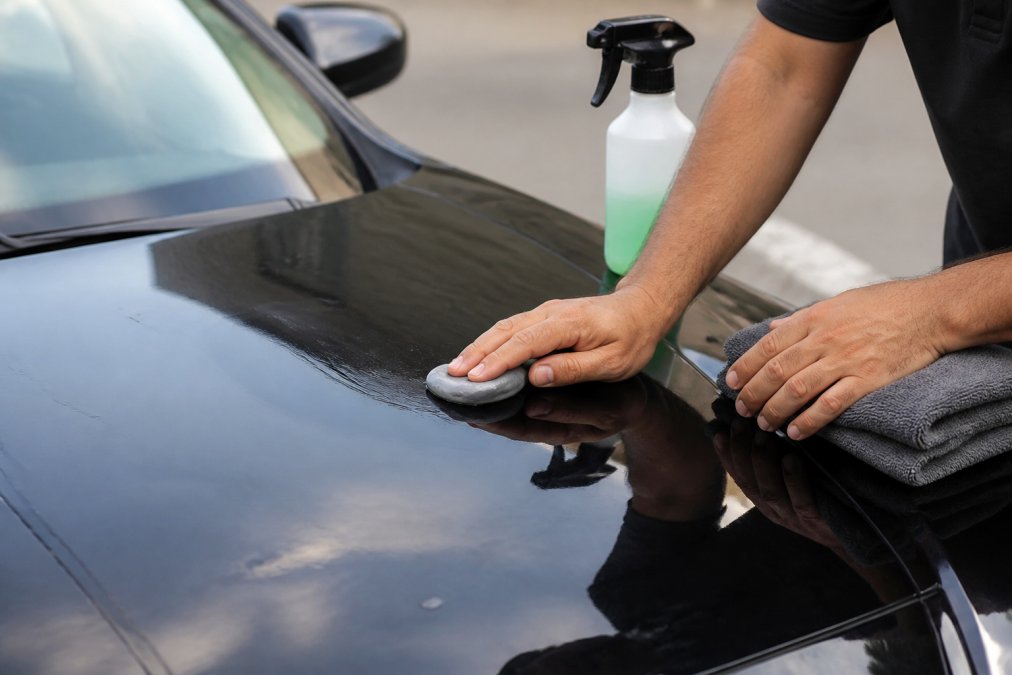
A clay bar treatment for bug residue is the definitive solution for paint that feels rough or shows faint outlines after the splatter has been removed. The clay bar is designed to safely pull embedded surface contamination, such as microscopic insect parts and industrial fallout, out of your clear coat without scratching. After washing and drying the car, spray a detailing lubricant on a small section and gently glide the flattened clay bar across the surface. You will feel the clay catching on contaminants, and as the section becomes smooth, you know the paint is clean.

This step is essential for addressing early-stage etching that has not yet penetrated the clear coat. If the clay bar treatment does not smooth out the surface, the etching is permanent and will require professional paint correction. At this point, you have done everything possible at home to remove the splatter and contamination; the remaining work involves leveling the clear coat with a machine polisher.

Common Mistakes That Scratch Your Clear Coat

The most common mistake people make is attacking dry splatter with a dry microfiber towel, which grinds the hard insect parts into the paint and creates deep scratches. Another frequent error is using household glass cleaner or WD-40, which are not formulated for automotive paint and can strip wax or leave a residue that attracts more dirt. Scrubbing in a circular motion is also problematic because it creates visible swirl marks that are noticeable under direct sunlight.

A less obvious mistake is washing the car with a sponge that has been dropped on the ground, as it picks up grit that acts like sandpaper. You should also avoid letting the bug remover dry on the paint, as this can leave chemical stains. The safest approach is to work in small sections, keep the surface lubricated, and always use a fresh, clean microfiber towel to prevent surface contamination from being dragged across your finish.

How to Prevent Bug Splatter on Car Paint

Prevention is about creating a barrier between the organic matter and your clear coat, making future cleanups significantly easier. The key to how to prevent bug splatter on car paint is maintaining a strong layer of protection, which gives you a sacrificial surface that takes the brunt of the damage. A car with no wax or sealant will allow bug residue to bond directly to the clear coat, while a protected surface allows the splatter to be wiped away with far less effort.

Wax, Sealants, and Ceramic Coatings

Traditional carnauba wax provides a warm shine but offers limited durability against harsh conditions, often lasting only a few weeks (acs.org). Synthetic paint sealants are more durable and provide a slicker surface that makes it harder for bugs to bond. Ceramic coatings are the most effective preventative measure, creating a hard, hydrophobic layer that resists chemical etching and makes baked on splatter much easier to rinse off.

For busy professionals, the maintenance schedule matters as much as the product choice. A vehicle driven daily on highways will accumulate splatter faster than a weekend car, so plan to inspect and clean the front of your vehicle weekly during peak insect seasons. If you are not comfortable applying these protectants yourself, professional detailing services offer the equipment and expertise to apply them correctly and ensure even coverage.

When to Call a Professional Detailer

You should seek professional help when you can feel deep scratches with your fingernail, see white or dull patches indicating the clear coat has been compromised, or notice that a clay bar treatment has not smoothed out the paint surface (edmunds.com). These signs point to paint damage that has gone beyond surface contamination and now requires machine polishing or paint correction to restore. Attempting to fix deep etching at home with over-the-counter compounds often makes the problem worse by creating uneven areas that are visible in the light.

Mobile detailing services offer a distinct advantage in this scenario because they bring the expertise and equipment to your location, eliminating the risk of you causing further damage with improper technique. Clean Image 101 specializes in this exact type of restoration, from expert bug removal to clay bar treatments and full paint restoration, performed by skilled professionals with years of industry experience. Our team handles everything from sports cars to minivans, tailoring the process to your vehicle’s specific finish and needs, saving you time and ensuring your car receives the tailored, professional care it deserves without disrupting your day.

Frequently Asked Questions

Will WD-40 remove bugs from car paint?

WD-40 can help soften bug splatter, but it is not the best choice for automotive paint. It leaves an oily residue that must be fully removed, and it offers no lubrication for safe agitation. Dedicated pH-balanced bug removers are designed to dissolve organic matter without stripping wax or sealants, making them safer and more effective for protecting your clear coat.

Does a clay bar help remove stubborn bug residue?

Yes, a clay bar treatment is excellent for bug residue that remains after washing. After you remove the bulk of the splatter, a clay bar with lubricant lifts embedded organic matter and surface contamination that washing misses. This restores a smooth finish and prepares the paint for wax or sealant. It will not remove heavy etching, which requires paint correction.

How can I prevent bug splatter from etching into my clear coat?

The best prevention is a sacrificial barrier. A quality wax, paint sealant, or ceramic coating makes the surface slicker, so bugs are less likely to bond, and gives you a buffer between the acidic residue and your clear coat. Quick removal within a day or two also matters. The longer organic matter sits in the sun, the faster it etches the paint.


Removing baked on bug splatter is a test of patience and technique, and knowing when to stop is just as important as knowing how to start. If your paint is etched, scratched, or you simply want to ensure the job is done safely, professional help is the most reliable route. Book professional car care with Clean Image 101 and let our mobile team restore your vehicle’s finish at your home or office, with services ranging from meticulous bug removal to complete paint restoration.

Preventing Swirl Marks During Mobile Detailing

Table of Contents

Last Updated: September 5, 2026

Why Your Mobile Detailer Keeps Leaving Swirl Marks

Swirl marks are a network of fine micro-scratches in your clear coat that catch the light and dull your finish. They appear when abrasive particles get dragged across the paint during washing or drying, and mobile detailing environments create perfect conditions for this damage.

The core problem is contamination. A single grain of sand trapped in a wash mitt acts like sandpaper, carving micro-scratches with every pass. Most marring happens not from aggressive chemicals but from friction between dirt and unprotected paint.

What separates a detailer who protects your paint from one who damages it comes down to three pillars: proper wash methodology, quality towel selection, and controlled drying.

The Two-Bucket Wash Method: Your First Defense

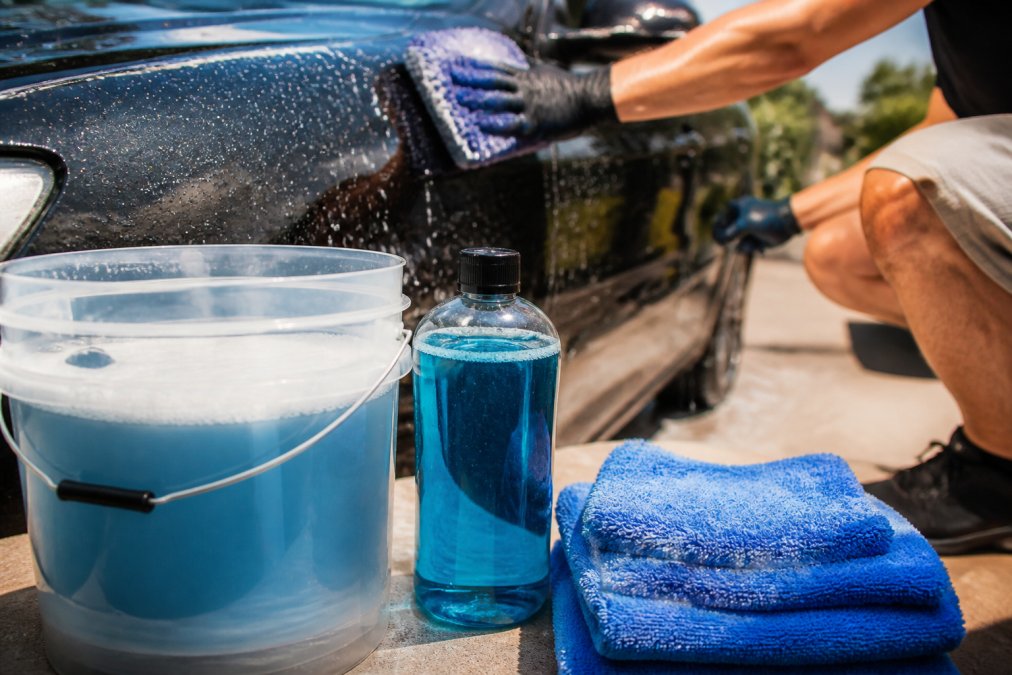
The two-bucket wash method is the industry standard for minimizing contamination during contact washing. One bucket holds your soapy solution while the second holds clean rinse water, often fitted with a grit guard to trap sediment. After each panel, you rinse the mitt in the clean bucket before reloading it with suds, ensuring you never drag captured grit back across the paint.

A professional detailer in a driveway dips a plush wash mitt into one bucket, then rinses it in a second bucket with a visible grit guard at the bottom, bright California sunlight reflecting off the wet paint

You need two separate buckets, a grit guard in the rinse bucket, and a high-quality wash mitt with deep pile that traps particles away from the paint. A common mistake is using a single bucket and relying on soap suds to lift dirt, which simply recirculates contaminants onto your clear coat.

Microfiber mitts with a chenille or long-loop pile are the safest choice because they hold dirt deep within the fibers rather than pressing it against the paint. Avoid sponges or brushes with stiff bristles, which concentrate pressure and increase the risk of marring on soft clear coats.

The Mobile Execution Gap: What Garage Guides Miss

Mobile detailing diverges from garage-based advice because you lack the controlled environment of a fixed shop. Three mobile-specific factors change how the method must be executed:

1. Bucket stability and contamination. On uneven pavement, buckets tip or splash, and wind-blown debris can land in your clean rinse bucket between dips. A professional setup uses buckets with sealed lids that open only for mitt entry, or positions the rinse bucket downwind of the wash zone. Some detailers use a third bucket exclusively for wheel cleaning, because brake dust contains metallic particles that will instantly mar clear coat if transferred to a body panel mitt.

2. The mitt inspection protocol between panels. The single most effective habit is inspecting the mitt face before every reload. After rinsing, spread the fibers with your thumb and look for embedded grit, hair, or plant matter. A single pine needle fragment or sand grain trapped in the pile will scratch paint on the next pass regardless of how many buckets you use. Professional detailers set aside any mitt that touches the ground and rotate to a fresh mitt after completing the lower panels, which carry the heaviest contamination load.

3. Water temperature and soap chemistry. Mobile detailers often work with water from the customer’s hose, which may be cold or inconsistent. Cold water reduces the effectiveness of many pH-neutral soaps, requiring higher concentrations to maintain adequate lubrication. A common professional practice is to use a foam cannon pre-soak with a higher dilution ratio than the label suggests, ensuring the contact wash has enough slickness to float contaminants off rather than grinding them in.

The Grit Guard Reality Check

Grit guards are effective but not a substitute for mitt maintenance. They trap sediment at the bottom of the rinse bucket but do nothing for debris embedded in the mitt fibers after rinsing. The ridges create turbulence that releases loose particles, yet stubborn contaminants like tar specks require manual removal. Run your fingers through the mitt pile after every few panels to feel for embedded debris, and switch to a clean mitt mid-wash. Most professional detailers carry at least three mitts per vehicle and rotate them based on panel zone.

Watch Out
Never use a mitt that has been dropped on the ground, even if you rinse it thoroughly first. The impact forces grit deep into the pile where it cannot be fully removed by rinsing alone. Set it aside for wheel duty or discard it.

Adapting the Method to Sunlight and Heat

Mobile work frequently happens in direct sunlight, which accelerates soap drying on the panel. If soapy water flash-dries before you rinse it, the surfactants leave a residue that increases friction on the next mitt pass. Professional detailers manage this by working in smaller sections, washing and rinsing one panel at a time rather than soaping the entire vehicle first. They also keep a spray bottle of rinse water or quick detailer nearby to re-wet any area that begins to dry.

When ambient temperatures exceed 85°F, consider switching to a rinse-less wash product diluted in your bucket instead of traditional soap. Rinse-less formulas encapsulate dirt and provide lubrication even in challenging conditions, and they eliminate the flash-drying problem entirely because they do not rely on foam to carry lubricant.

Choosing the Best Microfiber Towels for Detailing

The best microfiber towels for detailing are defined by their GSM rating and edge construction, not just the brand name. For paint contact, you want a GSM of at least 350 to 500, which provides enough plushness to absorb water and lubricant without applying excessive pressure. Higher-density towels also hold more liquid, reducing the number of passes needed across the surface.

Can a Foam Cannon prevent Swirl Marks in your paint? – Safe Car Wash

IMJOSHV – Car Detailing and Reconditioning Tips

Towel quality directly determines whether you introduce new swirl marks during drying. A cheap towel with exposed edges or rough weave can scratch paint even when the wash itself was perfect. Look for towels with a plush, non-abrasive pile and consider a dedicated drying towel with a higher GSM and waffle-weave construction that pulls water off the surface rather than pushing it around.

Watch Out
Never use household towels, terry cloth, or old t-shirts on automotive paint. Their coarse fibers and seams will leave micro-scratches that appear as swirl marks under sunlight. This single mistake undoes all the protection from a proper two-bucket wash.

Mastering Pre-Wash and Drying Techniques

A contact wash should never be your first step, because loose dirt needs to be removed before any towel or mitt touches the paint. A pre-wash stage using a foam cannon or snow foam loosens and encapsulates surface contaminants, allowing them to rinse away with a pressure washer before physical contact begins.

Drying is where most swirl marks are introduced, often because detailers rush or use improper technique. The safest approach is to use a drying aid, a spray lubricant applied to the panel before the towel makes contact. This adds a layer of slickness that lets the towel glide over the paint instead of dragging across it, minimizing friction and preventing micro-scratches.

Blotting is always safer than wiping. Press the drying towel onto the surface to absorb water, then lift it away, rather than dragging it across the panel. For larger areas, work in straight lines rather than circular motions, which are more likely to trap debris and create visible swirl patterns.

The Touchless vs. Contact Decision Framework

Most guides treat pre-wash as a single step, but professional mobile detailers make a deliberate decision before every wash: does this vehicle need a full touchless protocol, or is a contact wash with proper technique sufficient? The answer depends on contamination level and paint condition.

A touchless-only wash, foam cannon application followed by high-pressure rinse, with no mitt contact, is the right choice when the vehicle is heavily soiled with road grime, mud, or sand, or when the paint is unprotected or already showing thin clear coat. In these conditions, any contact carries unacceptable risk. The trade-off is that touchless washing alone cannot remove bonded contaminants like tree sap, tar, or bug residue; those require spot treatment with a dedicated remover before the contact wash begins.

For lightly soiled vehicles with healthy paint protection, a contact wash with a foam cannon pre-soak is safe and more effective at achieving a deep clean. The foam cannon’s role is not just to loosen dirt, it also provides a visual indicator of where you have already washed, preventing you from accidentally re-contacting a dried panel.

Book professional car care today →

Pro Tip
If you are unsure whether a vehicle needs touchless or contact wash, run your hand gently over a clean panel after the pre-rinse. If you feel grit or a rough texture, switch to a full touchless protocol or extend your pre-soak dwell time before any mitt touches the paint.

Drying Mechanics: Why Technique Beats Towel Quality

Even the highest-GSM microfiber towel will scratch paint if used with poor technique. Friction between the towel and paint increases as the towel absorbs water and becomes heavier, and any trapped particle is pressed harder against the clear coat. This is why drying aids matter more than towel brand. A spray lubricant applied before the towel makes contact creates a hydrodynamic layer that lifts the towel slightly off the paint, reducing friction and allowing trapped particles to slide rather than dig in.

Professional detailers use a two-towel drying system. The first towel, typically a waffle-weave or twisted-loop microfiber with GSM above 600, absorbs the bulk of the water. The second towel, a plush finishing towel, follows immediately to catch any remaining moisture and buff the surface to a streak-free finish. This second pass is critical because it removes the thin water film that can leave mineral deposits if allowed to air-dry.

Water Quality: The Hidden Variable in Mobile Drying

Mobile detailers face a problem that garage-based guides rarely address: the customer’s water supply. Hard water containing dissolved calcium and magnesium leaves visible mineral spots when it dries on paint, and those spots are not just cosmetic, they can etch into the clear coat over time, creating a hazy appearance that mimics swirl marks under certain lighting.

A professional mobile setup addresses this in one of two ways. The first is a portable deionization (DI) system that removes dissolved minerals before the water touches the paint, allowing spot-free air drying. The second is a drying aid with chelating agents that bind to minerals and prevent them from depositing as the water evaporates. Both approaches work, but they require different drying techniques. With a DI system, you can safely allow water to sheet off and use a blower to remove remaining droplets. Without DI, you must dry each panel immediately after rinsing, before water has a chance to evaporate and leave mineral residue.

The Blower Advantage for Mobile Work

A handheld or backpack blower is one of the most underrated tools for preventing swirl marks in mobile detailing. After the final rinse, a blower removes water from crevices, mirrors, emblems, and panel gaps where towels cannot reach without risk of catching an edge. This eliminates the need to drag a towel across tight areas, which is where most drying-induced marring occurs. Professional detailers use the blower first to remove bulk water, then follow with a drying aid and towel only on large flat panels where the blower is less efficient.

Environmental Timing for Outdoor Drying

The drying phase is the most vulnerable moment in a mobile detail because the paint is wet, unprotected, and exposed to the environment. Wind-blown dust, pollen, and tree sap can settle on a panel in the seconds between rinsing and drying. Professional mobile detailers minimize this window by drying in the same order they washed, starting at the top and working down, and by keeping a spray bottle of rinse water handy to re-wet any panel where contaminants land before the towel arrives. If the wind picks up significantly mid-detail, the safest move is to pause the drying process, re-rinse the affected panels, and resume only when conditions settle.

Mobile-Specific Factors: Water Quality and Environment

Mobile detailing introduces variables that a fixed shop never faces, and water quality is the most overlooked. Hard water containing dissolved minerals leaves deposits that etch into the clear coat if allowed to dry, creating spots that look like swirl marks under certain lighting. A mobile detailer should carry a water filtration or deionization system to ensure spot-free rinsing, or use a drying aid that neutralizes mineral content before it sets.

Environmental control is the second challenge. Working outdoors means dealing with wind-blown dust, pollen, and tree sap that can settle on panels between wash stages. A professional mobile setup accounts for this with faster work sequences and by keeping panels wet until the final drying pass, minimizing the window where contaminants can land on bare paint.

Tool maintenance and inspection matter even more on the road. Wash mitts and towels that are dropped on the ground must be set aside immediately, as they pick up grit that will scratch paint on the next pass. A detailer should inspect their media regularly for embedded debris and replace worn towels before they become a hazard to your automotive finish.

How to Remove Swirl Marks from Car Paint

If swirl marks are already present, washing technique alone will not fix them; the damaged clear coat requires paint correction. How to remove swirl marks from car paint typically involves a machine polisher with a cutting compound that levels the clear coat, removing the thin layer of paint that contains the micro-scratches. This is a precision process that requires the right pad, compound, and technique to avoid burning through the clear coat.

Pro Tip
Before attempting any paint correction, verify the clear coat thickness with a paint depth gauge. If the coating is already thin from previous polishing, aggressive correction is risky and a lighter approach or ceramic coating may be the safer path.

For light swirl marks, a single-stage polish with a fine compound may be sufficient. Deeper scratches from years of improper washing may require a two-stage process: a cutting compound to remove the defect, followed by a finishing polish to restore gloss and remove haze left by the cutting pad. After correction, the paint should be protected with a sealant or ceramic coating to reduce future contamination and make washing safer.

Maintaining a Swirl-Free Finish Between Details

Your habits between professional details determine how long the paint stays swirl-free. The most effective maintenance is a rinse-less or waterless wash product designed for light dust and bird droppings, which lubricates the surface enough to safely lift contaminants without a full wash setup. These products are ideal for busy owners who need to freshen the car between scheduled details.

Automatic car washes are the fastest way to reintroduce swirl marks (popularmechanics.com). The nylon brushes and shared towels used by tunnel washes trap grit from thousands of vehicles and drag it across your paint. Even touchless washes that rely on high-pressure chemicals can strip your wax or sealant, leaving the clear coat more vulnerable to future marring.

A simple inspection routine helps you catch problems early. Check the paint under direct sunlight or a bright LED light for new micro-scratches after each wash. If you notice a haze developing, it is time to book a professional correction rather than letting the damage compound. A ceramic coating applied by a professional adds a sacrificial layer that resists scratching and makes routine washing far safer for the underlying clear coat (autogeek.net).

Maintenance Task Recommended Frequency Primary Benefit
Rinse-less wash with lubricant Weekly or as needed Removes light dust without paint marring
Full two-bucket contact wash Every 2-4 weeks Deep cleaning with minimal swirl risk
Professional detail and inspection Every 3-6 months Removes embedded contaminants and corrects early damage

Conclusion: Book Professional Car Care Today

Keeping a flawless finish requires consistency, and the margin for error is small when you are working with soft clear coats and abrasive environments. The techniques above protect your paint between professional appointments, but they demand time, the right products, and disciplined execution every single wash.

That is where Clean Image 101 earns its place. Our mobile service brings skilled professionals to your driveway with the correct two-bucket setup and high-GSM microfiber towels, so your paint never meets a contaminated mitt. From sports cars to minivans, we tailor our process to your vehicle’s specific finish, handling everything from bug removal to full paint restoration without you lifting a finger.

Get started with Clean Image 101 and let our team handle the swirl-free maintenance your car deserves, right at your home or office.

Frequently Asked Questions

Does a ceramic coating prevent swirl marks?

A ceramic coating adds a sacrificial layer of protection, making the surface slicker and more resistant to minor abrasions. It helps reduce the risk of micro-scratches, but it does not make the paint immune. Swirl marks can still occur if you use improper washing techniques, dirty towels, or automatic car washes. The coating protects the clear coat, not from it. Proper maintenance is still essential.

What is the two-bucket method for washing cars?

The two-bucket method uses one bucket for soapy water and a second for clean rinse water. After a few swipes on the paint, you rinse your wash mitt in the clean bucket. This action releases trapped dirt particles into the rinse bucket instead of back onto your paint. A grit guard in the rinse bucket further traps contaminants. This simple habit dramatically reduces the chance of creating new swirl marks.

Can detailing remove swirl marks?

Yes. Swirl marks are micro-scratches in the clear coat. Professional paint correction uses a machine polisher with an abrasive compound to level the clear coat and remove the scratches. Light swirl marks may be removed with a fine polish, while deeper ones require a more aggressive cutting compound. This process is best left to professionals, as using too much pressure or the wrong pad can damage the paint.

How do I know my detailer won’t scratch my paint?

Ask about their process. A professional detailer should discuss their approach, including the type of wash mitts, the two-bucket method, and the condition of their microfiber towels. Inquire if they use grit guards and how often they replace their towels. A reputable detailer will be transparent about their techniques to protect your vehicle’s finish and will use fresh, clean equipment for each job.

Mobile Auto Detailing for Family Minivans

Table of Contents

Last Updated: September 1, 2026

Why Mobile Auto Detailing Works for Family Minivans

Family minivans take a beating. Between carpools, sports equipment, spilled juice boxes, and the general chaos of transporting kids, your vehicle’s interior becomes a reflection of real life, not the pristine showroom condition you’d prefer. Mobile auto detailing for family minivans solves a problem that traditional car washes simply can’t address: professional-grade deep cleaning that comes to your driveway while you’re managing everything else.

The convenience factor alone changes the game. Instead of finding time to drive to a detailing facility, wait for hours, and disrupt your schedule, mobile detailing brings skilled professionals directly to your home. For busy parents juggling work, school runs, and endless to-do lists, this eliminates friction from vehicle maintenance. Clean Image 101 understands this reality, our mobile service arrives at your location with full equipment and professional-grade products, handling everything from interior shampooing to sanitization without requiring you to leave your property.

Beyond convenience, mobile detailing for family minivans delivers results that matter. Your minivan’s upholstery absorbs odors, stains accumulate in hard-to-reach crevices, and child safety seats harbor bacteria and allergens that regular vacuuming misses. Professional interior deep cleaning extracts embedded dirt, eliminates stubborn odors, and sanitizes surfaces, something a quick pass with a home vacuum simply cannot achieve.

Interior Deep Cleaning and Stain Removal for Minivans

Professional interior deep cleaning for minivans goes far beyond surface vacuuming. The process targets embedded dirt in upholstery fibers, removes stains that have set over weeks or months, and eliminates odors trapped in carpet and fabric. Upholstery shampooing uses specialized equipment and cleaning solutions designed to break down stains without damaging delicate vehicle fabrics.

The most common minivan interior challenges include juice spills, chocolate smears, pet accidents, and the general accumulation of dust and allergens. Stain removal requires understanding the stain type, organic matter like food or pet accidents demands different treatment than ink or grease. Professional detailers assess each stain, select the appropriate extraction method, and apply targeted solutions that lift the stain without leaving residue or watermarks.

Professional detailer using steam cleaning equipment on minivan interior upholstery, with family vehicle visible in background during at-home service, natural daylight illuminating the interior cabin

Steam cleaning penetrates deep into carpet fibers and upholstery, loosening embedded dirt and killing bacteria without harsh chemicals. This method works particularly well for family vehicles where sanitization matters as much as appearance. The heat breaks down organic compounds while the extraction process removes moisture, preventing the mildew and odor problems that can develop when interiors aren’t properly dried.

Car Seat Sanitation and Child Safety

Child safety seats represent a unique sanitation challenge that most car owners overlook. These seats contact your child’s skin and clothing daily, accumulate crumbs, spills, and bodily fluids, and are notoriously difficult to clean thoroughly. Professional mobile detailing includes specialized car seat sanitation protocols that address this concern without compromising the seat’s structural integrity or safety features.

Proper car seat cleaning requires care around straps, buckles, and attachment points. A professional detailer knows which cleaning methods won’t damage the seat’s materials or create safety hazards. Steam cleaning combined with targeted stain extraction removes contaminants while maintaining the seat’s functionality. For parents concerned about their child’s health and hygiene, professional sanitization of car seats provides peace of mind that household cleaning methods cannot match.

Upholstery Shampooing and Odor Elimination

Minivan upholstery absorbs odors that persist despite air fresheners and open windows. Spilled milk, pet accidents, and years of accumulated dust create smells that become normalized to regular drivers but are immediately noticeable to passengers. Professional upholstery shampooing addresses the root cause rather than masking the symptom.

The shampooing process involves applying specialized cleaning solutions to upholstery, agitating the fabric to break down odor-causing compounds, and extracting moisture along with dissolved dirt and bacteria. This method eliminates odors at the source rather than simply covering them. High-grade auto care upholstery shampooing uses products formulated specifically for vehicle interiors, ensuring effective cleaning without leaving chemical residues that could irritate respiratory systems, an important consideration in a family vehicle.

What a Full Mobile Detail Package Includes

A comprehensive mobile auto detailing for family minivans package typically includes both interior and exterior services, though families often prioritize interior work given the unique challenges of maintaining a vehicle that doubles as a mobile dining room and playroom.

Interior detailing components include:

Exterior services often included in full packages feature hand washing, wheel and tire cleaning, clay bar treatment to remove bonded contaminants, and waxing or ceramic coating application for paint protection. Some detailers offer paint restoration for oxidized or dulled finishes.

The specific services included in a full detail package vary by provider and customer needs. Families with minivans may opt for interior-focused packages that emphasize deep cleaning and sanitization over exterior work, particularly during seasons when the vehicle spends more time in garages and less time exposed to harsh weather.

Mobile Interior Car Detailing Cost and Pricing

Mobile interior car detailing cost depends on several variables: vehicle size, interior condition, specific services requested, and service area. Minivans typically fall into a standard pricing category, though heavily soiled interiors or extensive stain removal may require additional time and resources.

Pricing generally reflects the time investment and product costs associated with professional-grade cleaning. A basic interior detail might focus on vacuuming and surface cleaning, while a comprehensive detail includes shampooing, stain extraction, sanitization, and odor elimination. The difference in results justifies the pricing difference, surface cleaning addresses visible dirt, while deep cleaning removes embedded contaminants and allergens.

For current pricing and a customized quote based on your minivan’s specific condition and your service area, contact Clean Image 101 directly. Professional detailers provide estimates after assessing your vehicle’s needs, ensuring you understand exactly what services you’re receiving and why.

How Long Does a Full Car Detail Take

The duration of a full car detail depends on the vehicle’s size, interior condition, and services included. A standard mobile interior detail for a minivan typically requires two to four hours, depending on the extent of cleaning needed and whether exterior services are included.

Heavily soiled interiors with extensive staining or odor issues may require additional time. Professional detailers work methodically to ensure thorough cleaning rather than rushing through the process. This is where mobile detailing for family minivans proves its value, while the service is occurring at your home, you can attend to other responsibilities rather than waiting at a facility.

Book professional car care today →

Time estimates should include setup, cleaning, drying time, and equipment breakdown. Professional detailers plan scheduling to ensure they complete work within a reasonable timeframe while maintaining quality standards that justify the service investment.

Choosing the Right Mobile Detailer for Your Family Vehicle

Selecting a mobile detailer requires evaluating several factors beyond price alone. The detailer’s experience with family vehicles, approach to child safety, product quality, and professional standards all influence the final result and your confidence in the service.

Quality and Safety Standards

Professional detailers maintain specific quality standards that protect your vehicle and your family’s health. This includes using non-toxic cleaning agents appropriate for family vehicles, following proper sanitization protocols, and employing meticulous cleaning techniques that avoid damage to upholstery and trim.

Safety standards extend beyond product selection. A professional detailer understands how to clean around car seats without compromising safety features, knows which cleaning methods suit different fabric types, and recognizes when specialized treatment is necessary. They should be able to explain their process and justify their approach, a hallmark of professional-grade service.

Skilled professional detailer inspecting minivan exterior and interior with clipboard in hand, demonstrating meticulous assessment and quality standards in residential driveway setting

Experience with Different Vehicle Types

Minivans present unique detailing challenges compared to sedans or SUVs. The interior layout, upholstery materials, carpet configurations, and accessibility differ significantly. A detailer experienced specifically with minivans understands these nuances and adjusts their approach accordingly.

When evaluating a mobile detailer, ask about their experience with family vehicles and minivans specifically. Clean Image 101’s professionals have years of industry experience transforming vehicles of all types, from sports cars to minivans, which means they understand how to address the specific needs of family vehicles. This expertise translates to better results and more efficient service delivery.

Maintaining Your Minivan Between Professional Details

Professional mobile auto detailing for family minivans provides a foundation for vehicle cleanliness, but maintenance between services extends the benefits and keeps your minivan in better condition year-round.

Establish a routine maintenance schedule that includes regular vacuuming, immediate attention to spills, and periodic surface cleaning. Invest in seat protectors or covers that shield upholstery from daily wear and make cleanup easier. Keep interior air fresh through regular ventilation and consider enzyme-based odor eliminators for stubborn smells.

For high-traffic areas like the driver’s seat or frequently used cup holders, spot cleaning prevents stains from setting and becoming permanent. A simple solution of water and mild detergent addresses most fresh spills before they penetrate deep into fibers.

Professional detailing every six to twelve months, depending on usage and family size, maintains the vehicle’s appearance and hygiene. Families with young children or pets may benefit from more frequent professional cleaning, while those with older children might extend the interval between services.


Professional mobile auto detailing for family minivans transforms a vehicle that bears the marks of real family life into a space that’s both clean and hygienic. The challenge of maintaining a minivan’s interior while juggling parenting responsibilities becomes manageable when you partner with a professional service that understands your needs. Clean Image 101 brings years of industry experience directly to your home, delivering comprehensive interior deep cleaning, stain removal, and sanitization, including specialized car seat cleaning and odor elimination, without disrupting your schedule. Get started with Clean Image 101 and experience how professional-grade mobile detailing restores your minivan’s condition while freeing up time for what matters most.

Service Component Time Required Frequency
Interior vacuuming 30-45 minutes Every 3-4 months
Upholstery shampooing 1-2 hours Every 6-12 months
Car seat sanitization 45-60 minutes Every 6 months
Stain extraction 30-90 minutes As needed
Full interior detail 2-4 hours Every 6-12 months
Odor elimination 45-90 minutes As needed

According to the American Academy of Pediatrics guidelines on vehicle hygiene, regular sanitization of child safety seats reduces exposure to bacteria and allergens that accumulate during daily use. Professional detailing addresses these health considerations more thoroughly than household cleaning methods.

Research from the Automotive Industry Action Group on vehicle interior maintenance indicates that professional deep cleaning extends upholstery lifespan by preventing fiber degradation from embedded dirt and stains. Regular professional detailing represents a long-term investment in your vehicle’s condition and resale value.

The Consumer Reports automotive maintenance recommendations emphasize that interior cleanliness directly impacts vehicle value and buyer perception during resale. Families who maintain their minivans through professional detailing preserve both the vehicle’s condition and its market value.

Pro Tip
Schedule your first professional mobile detail during a season when your minivan experiences heavy use, typically after back-to-school season or before extended family road trips. This timing maximizes the benefit of professional cleaning when your vehicle needs it most.
Watch Out
Avoid attempting to clean child safety seats with harsh chemicals or high-pressure equipment, which can damage materials and compromise safety features. Professional detailers understand the specific requirements for car seat sanitation without creating safety hazards.

Frequently Asked Questions

How much does mobile interior car detailing cost for a minivan?

Mobile interior car detailing cost varies based on your minivan’s condition, the specific services needed, the size of stains, and your location. A full interior detail including upholstery shampooing, carpet extraction, and sanitization typically costs more than basic vacuuming and surface cleaning. Contact Clean Image 101 for a personalized quote, most detailers offer free assessments to determine exact pricing based on your vehicle’s needs.

How long does a full car detail take for a family minivan?

A full car detail for a minivan typically takes 3-5 hours, depending on the vehicle’s condition and the services included. Interior deep cleaning with stain extraction, upholstery shampooing, and sanitization takes longer than exterior work alone. Mobile detailers can often work around your schedule, arriving at your home or office to complete the service without disrupting your day.

What are the best practices for minivan stain removal?

Best practices for minivan stain removal include immediate blotting of fresh spills, identifying the stain type (food, dirt, pet-related), using appropriate extraction methods, and applying professional-grade cleaning solutions. Professional detailers use hot water extraction and specialized equipment to remove stubborn stains from upholstery and carpets. For family vehicles with kids, addressing spills quickly prevents permanent damage and odor, regular maintenance details help prevent buildup.

Is mobile detailing worth the cost for family minivans?

Mobile detailing offers significant value for busy families. You save time by eliminating travel to a car wash facility, get professional-grade care tailored to your minivan’s specific needs, and benefit from convenient at-home service. For families dealing with frequent spills, pet hair, and heavy use, professional interior deep cleaning and sanitization extend your vehicle’s lifespan and maintain resale value, making the investment worthwhile.

This article was written using GrandRanker

Best Mobile Car Detailers: Top Picks for 2026

Table of Contents

Last Updated: September 2, 2026

Top Mobile Car Detailers Ranked

When your vehicle needs professional attention, a mobile car detailer brings the shop to you. The best mobile car detailers combine convenience with meticulous craftsmanship, handling everything from ceramic coatings to interior deep cleaning without requiring you to leave home or office. Clean Image 101 leads this category with comprehensive services spanning sports cars to minivans, backed by skilled professionals who deliver paint restoration, clay bar treatments, and bug removal on-site.

Professional detailer applying ceramic coating to luxury vehicle's hood with precision technique, showing hand positioning and product application in natural daylight at residential driveway
Professional detailer applying ceramic coating to luxury vehicle’s hood with precision technique, showing hand positioning and product application in natural daylight at residential driveway

Below, we’ve ranked the top mobile detailers based on service depth, specialization, customer satisfaction, and the range of vehicles they handle effectively.

1. Clean Image 101: Comprehensive Services for All Vehicle Types

Clean Image 101 stands out as the premier choice for busy professionals seeking high-quality mobile detailing. Their approach centers on tailored care for every vehicle type, from sports cars requiring precision handling to minivans needing family-friendly service. The team brings years of industry experience directly to your location, eliminating travel friction while maintaining professional-grade results.

What sets this service apart is the breadth of offerings: bug removal, clay bar treatments, and paint restoration are core competencies. The professionals understand that a sports car owner’s expectations differ from someone protecting a daily commuter, and they adjust their process accordingly.

Pro Tip
Ask specifically about their experience with your vehicle type during booking. Detailers often develop deeper expertise in certain categories, knowing this upfront ensures you get their most knowledgeable technician.

2. Best In Class Detailing: Paint Correction and Ceramic Coatings

Best In Class Detailing specializes in paint correction and ceramic coating, services that separate good detailing from exceptional detailing. Operating across Los Angeles and Orange County, they’ve built their reputation on addressing damage that basic washing ignores: swirl marks, oxidation, and micro-scratches that dull your paint’s finish.

Their paint correction options include 1-step and 2-step processes. The 1-step approach handles light to moderate imperfections in a single appointment. The 2-step process targets severe oxidation and deep swirl marks, requiring custom assessment and extended work time. Ceramic coating application creates a protective barrier that repels water, resists contamination, and maintains gloss longer than traditional waxing.

Being veteran-owned and fully insured adds credibility. Insurance verification matters, it’s the difference between professional accountability and liability exposure if something goes wrong.

3. OCDetailing: Interior Deep Cleaning and Odor Elimination

OCDetailing approaches mobile detailing from an interior-first perspective. While they offer exterior services, their real strength lies in transforming cabins through deep cleaning, leather rejuvenation, and specialized odor removal.

Odor elimination deserves specific attention. Many detailers treat odors superficially with air fresheners. OCDetailing uses ozone absorption technology, which addresses the source rather than masking the problem. Leather rejuvenation services protect and restore upholstery that’s showing age, extending the lifespan of interior materials by years.

4. Clean Vibes Mobile Detailing: Flexible Packages and Add-Ons

Clean Vibes Mobile Detailing operates in Los Angeles with a philosophy centered on flexibility. Rather than rigid service tiers, they build custom packages combining base services with premium add-ons. Their base packages cover hand washing, wheel and tire cleaning, interior vacuuming, and protective treatments. Add-ons include stain removal, upholstery shampooing, waxing, and paint protection.

The hand washing approach, rather than automatic systems, reduces risk of swirl marks and micro-scratches. Personalized service and customer satisfaction form their core positioning, with aftercare recommendations that extend the life of detailing work between appointments.

Screenshot of cleanvibesmobiledetailing.com interface
Clean Vibes Mobile Detailing LLC | Best Auto Detail in Los Angeles | Los Angeles, CA, USA

5. Daji Mobile Detailing: Eco-Friendly Service in South Bay

Daji Mobile Detailing brings environmental consciousness to mobile detailing, serving 16 South Bay cities. Their self-contained mobile unit carries water and power on board, eliminating dependence on residential utilities and reducing waste. Eco-friendly practices don’t mean lower-quality results, their interior, exterior, and full detail packages deliver professional outcomes while minimizing environmental impact.

Transparent pricing for core packages makes budgeting straightforward, though specialized services like ceramic coating require custom quotes. The South Bay focus means they understand local conditions, salt air, dust, and sun exposure specific to that region.

Screenshot of dajimobiledetailing.com interface
Mobile Car Detailing in Los Angeles, CA | Daji

6. SoCal Mobile Auto Detail: Exotic and Collector Car Specialists

SoCal Mobile Auto Detail distinguishes itself through expertise with high-value vehicles. Their experience with exotic and collector cars means they understand the specific requirements of vehicles that demand precision handling. Operating in San Diego and surrounding areas over 13 years, they’ve developed a reputation for extreme attention to detail.

Screenshot of thesocalway.com interface
Thesocalway website

7. Mobile Pro Detailing: Premium Ceramic Coating Expertise

Mobile Pro Detailing brings deep specialization in ceramic coatings, holding elite certifications for Ceramic Pro and System X applications. With over 25 years of experience and 50,000+ vehicles detailed, their track record speaks to consistent quality (peer-reviewed research). Ceramic coating application requires precision, improper application results in streaking, uneven coverage, or premature failure. Mobile Pro’s certifications indicate they’ve met manufacturer standards for proper technique.

Their service area spans Napa, Sonoma, Sacramento, and Solano Counties, with 24/7 availability options accommodating busy schedules.

Mobile Car Detailing Prices: What to Expect

Mobile detailing pricing varies based on vehicle size, service complexity, paint condition, and regional market rates. Basic exterior wash services typically start at $75-$150 depending on vehicle size, including hand washing, wheel cleaning, and tire treatment (bls.gov). Interior vacuuming and basic cabin cleaning add to this base cost.

Paint correction and ceramic coating services command premium pricing because they require specialized equipment, expertise, and time investment. Single-step paint correction might add $200-$400, while two-step correction for severe oxidation extends significantly higher. Ceramic coating application typically ranges from $300-$800+ depending on coating quality and vehicle size (bls.gov).

Interior deep cleaning services, including upholstery shampooing, leather conditioning, and odor elimination, vary based on vehicle condition and cabin size. Most mobile detailers provide quotes based on vehicle inspection rather than fixed pricing.

Key Takeaway
The cheapest option often reflects lower service quality or limited scope. Compare what’s included in each quote, a lower price might exclude protective sealants or interior treatments that justify higher pricing elsewhere.

Mobile Detailing vs Shop Detailing: Which Is Right for You

The choice between mobile detailing and traditional shop detailing depends on your priorities, vehicle type, and specific needs.

Mobile detailing advantages: Convenience (service comes to you), flexibility (appointments fit your schedule), personalized attention, reduced contamination risk, and time savings from eliminating transportation logistics.

Mobile detailing limitations: Weather dependency, space requirements, limited equipment, scheduling challenges during peak seasons, and water management considerations.

Shop detailing advantages: Controlled environment, specialized equipment, faster turnaround, comprehensive services, and immediate availability.

Shop detailing limitations: Time investment, less personal attention, facility contamination, scheduling inflexibility, and transportation friction.

For busy professionals and time-constrained individuals, mobile detailing eliminates the friction that prevents regular vehicle maintenance. For vehicle enthusiasts with specific concerns about paint condition or interior restoration, mobile detailing’s personalized attention often delivers superior results.

Watch Out
Don’t assume mobile service is always cheaper. Premium mobile detailers often charge more than budget shop operations, reflecting their expertise and convenience premium. Compare actual quotes rather than making assumptions based on service type.

How to Choose a Mobile Detailer: Key Evaluation Criteria

Selecting the right mobile detailer requires evaluating several factors beyond price alone.

Insurance and licensing verification: Confirm the detailer carries liability insurance. Ask for proof rather than accepting verbal assurance.

Book professional car care today →

Vehicle-specific experience: Ask directly about experience with your vehicle type. Their familiarity with your vehicle’s paint type, interior materials, and specific care requirements matters significantly.

References and reviews: Check online reviews across multiple platforms, giving more weight to detailed reviews describing specific services and results.

Paint protection approach: Ask how they prevent swirl marks and micro-scratches. Do they use clay bar treatments before polishing? Do they apply protective sealants after correction work?

Equipment and product quality: Professional-grade equipment and products cost more than consumer alternatives. Ask what products they use and why.

Communication and transparency: How do they handle unexpected issues? What’s their process if they discover damage during service?

Appointment flexibility: Can they accommodate your schedule? Do they offer evening or weekend appointments?

Water management practices: Ask about water reclamation and runoff management.

Services You Should Expect From a Professional Mobile Detailer

Professional mobile detailing encompasses far more than basic washing.

Mobile detailing van parked at residential driveway with professional equipment visible, detailer working on vehicle's exterior with water reclamation system in natural daylight
Mobile detailing van parked at residential driveway with professional equipment visible, detailer working on vehicle’s exterior with water reclamation system in natural daylight

Exterior services: Hand washing using two-bucket method prevents contamination and swirl marks. Clay bar treatment removes bonded contaminants. Paint polishing addresses light oxidation and minor swirl marks. Paint correction tackles deeper damage and severe oxidation. Wax application provides temporary protection and enhances gloss. Ceramic coating creates long-term protection against UV damage, water spots, and contamination. Wheel and tire cleaning removes brake dust and grime. Headlight restoration addresses yellowing and oxidation.

Interior services: Vacuuming removes dust, debris, and pet hair. Upholstery shampooing deep-cleans fabric seats and removes stains. Leather conditioning protects and restores leather surfaces. Dashboard protection prevents UV damage. Odor elimination addresses persistent smells. Window cleaning includes interior glass. Air vent cleaning removes dust and improves air quality.

Specialized services: Paint protection film shields vulnerable areas from damage. Engine bay cleaning removes built-up grime. Undercarriage cleaning removes salt and debris that causes corrosion. Ceramic coating application creates months of protection.

The best detailers assess your vehicle’s condition and recommend services based on actual needs rather than pushing maximum-revenue packages.

Common Mistakes to Avoid When Hiring Mobile Detailing Services

Avoiding common pitfalls ensures you receive quality service without unexpected issues or damage.

Hiring based solely on price: The cheapest option often reflects lower expertise, cheaper products, or rushed service.

Not verifying insurance: Uninsured detailers leave you liable for any damage they cause.

Failing to communicate specific concerns: If you’ve had previous detailing damage or are concerned about swirl marks, discuss your worries upfront.

Ignoring references and reviews: Spending 10 minutes reading detailed reviews and checking references prevents expensive mistakes.

Assuming all detailers handle all vehicles equally: A detailer experienced with trucks might lack expertise with luxury vehicles.

Not discussing water management: If you live in a water-restricted area or lack adequate drainage, discuss this upfront.

Scheduling during poor weather: Mobile detailing works best in mild, dry conditions.

Failing to clarify what’s included: A quote for “full detail” might mean different things to different detailers. Get quotes in writing.

Key Takeaway
The best protection is choosing a detailer with strong references, verified insurance, and clear communication about your vehicle’s specific needs. Spending time upfront prevents costly mistakes later.

Conclusion

Choosing a mobile car detailer requires balancing convenience with expertise. Clean Image 101 delivers both, their comprehensive services, experienced professionals, and ability to handle diverse vehicle types make them the top choice for busy professionals and vehicle enthusiasts seeking professional-grade care without leaving home. With specialized services ranging from clay bar treatments to paint restoration, Clean Image 101 ensures your vehicle receives the tailored care it deserves. Book professional car care today and experience the difference that skilled, passionate detailing brings to your vehicle’s appearance and protection.

Frequently Asked Questions

Q: What should I look for when hiring a mobile car detailer?

A: Verify licensing and insurance coverage, check customer reviews from busy professionals in your area, confirm experience with your vehicle type (sports cars, SUVs, luxury vehicles require specialized care), ask about their paint protection methods to avoid scratches and swirl marks, and request references from recent clients. Professional mobile detailers should discuss your vehicle’s specific needs before quoting and explain their clay bar treatment and paint correction processes if those services are included.

Q: How much does mobile car detailing cost on average?

A: Mobile car detailing pricing varies based on vehicle size, service level, and specific treatments requested. Basic exterior washes start lower, while comprehensive packages including interior deep cleaning, ceramic coating, and paint correction cost more. Pricing depends on factors like pet hair removal needs, odor elimination requirements, and paint restoration work. Contact your chosen mobile detailer directly for a quote tailored to your vehicle’s condition and your specific detailing needs.

Q: Is mobile car detailing better than a traditional car wash?

A: Mobile detailing offers significant advantages over traditional car washes: professional-grade equipment and techniques arrive at your location, saving time for busy professionals; detailers use hand wash methods and clay bar treatments that prevent swirl marks and oxidation removal more effectively; they can address stubborn issues like bug splatter and red clay buildup; and the service is tailored to your vehicle type. Traditional car washes use automated systems that can damage paint, while mobile detailers provide personalized, high-quality finishes without requiring you to travel.

Q: What’s the difference between mobile detailing prices and shop detailing pricing?

A: Mobile detailing typically costs more than basic shop services due to convenience and personalized care, but prices vary by provider and service scope. You pay for the detailer coming to your location, eliminating travel time. Shop detailing may appear cheaper initially but requires your time to drop off and pick up the vehicle. Mobile detailers often provide superior results with professional-grade equipment, specialized treatments like ceramic coating and paint correction, and attention to detail that justifies the pricing difference. Request quotes from multiple mobile detailers to compare value.

Q: How long does a professional mobile detail take to complete?

A: A full mobile detail typically takes 2-4 hours depending on vehicle size, current condition, and services requested. Basic exterior washes and interior vacuuming may take 1-2 hours, while comprehensive packages including deep interior cleaning, leather conditioning, paint correction, and ceramic coating application can take 4-6 hours or require multiple sessions. Professional detailers work methodically to prevent water spots and residue, ensuring high-quality finishes. Discuss timeline expectations with your mobile detailer when booking to ensure the appointment fits your schedule.

This article was written using GrandRanker

Mobile Detailing vs Car Wash: Which Saves Time and Protects Paint

Table of Contents

Last Updated: August 29, 2026

Mobile Detailing vs Traditional Car Wash: The Core Difference

Mobile detailing vs car wash represents a fundamental choice in how you maintain your vehicle’s appearance and protection. The distinction goes far beyond convenience, it’s about the depth of care, the products used, and the long-term impact on your paint and interior.

A traditional car wash, whether automated or hand-operated at a facility, follows a standardized process: high-pressure jets, spinning brushes, and chemical solutions applied in sequence to dozens of vehicles daily. Mobile detailing, by contrast, brings professional-grade service directly to your location with customized attention to your specific vehicle’s needs.

At Clean Image 101, we’ve worked with vehicle owners who initially assumed all car cleaning services were essentially the same. What they discovered, often after experiencing subpar results elsewhere, is that the methodology, products, and expertise involved create vastly different outcomes for your paint’s health and your vehicle’s longevity.

The core difference isn’t just where the service happens. It’s about control, precision, and whether the service provider has time to address your vehicle’s unique condition or is simply moving through a checklist.

Professional detailer working on a luxury vehicle in a residential driveway, using microfiber towels and professional-grade products, with careful attention to paint surfaces and trim

Benefits of Mobile Car Detailing

Mobile car detailing eliminates the friction of traditional car washing by bringing professional-grade service to your driveway or office parking lot. For busy professionals, this alone changes the equation, you reclaim hours that would otherwise disappear in drive time and waiting.

But convenience is only the surface benefit. The real advantage lies in what happens during the service. Mobile detailers work on one vehicle at a time with unhurried attention. They can inspect your paint under natural light, identify problem areas like swirl marks or water spots, and adjust their approach accordingly. A detailer working through a high-volume facility simply cannot offer this level of customization.

Professional mobile detailing services typically include deep cleaning that goes well beyond what automated or standard hand washes deliver. Clay bar treatments remove surface contaminants, industrial fallout, tree sap, brake dust, that regular washing leaves behind. Paint correction addresses existing damage. Interior shampooing and upholstery cleaning restore fabrics to condition that standard car washes never touch. These aren’t luxury add-ons; they’re foundational to protecting your vehicle’s resale value and aesthetic appeal.

The products matter significantly. Mobile detailers use professional-grade formulations, ceramic coatings, specialized waxes, and pH-balanced cleaners, that preserve your vehicle’s clear coat rather than stripping it. High-pressure jets at automated facilities can damage trim, seals, and sensitive areas; mobile professionals use controlled pressure and hand-washing techniques to avoid this risk.

Time efficiency deserves emphasis here. A full mobile detail typically takes 2-4 hours depending on your vehicle’s condition and the services selected (icar.org). During this time, you’re working, meeting with clients, or handling other priorities. The service adapts to your schedule, not the other way around.

Pro Tip
Many vehicle owners don’t realize that water spots left after a car wash can etch your clear coat over time. Mobile detailers use distilled water and drying techniques specifically designed to prevent this damage, a detail that protects your paint’s longevity.

Why Traditional Car Washes Fall Short

Automated car washes and high-volume hand-wash facilities operate on a model that prioritizes speed and throughput. A vehicle spends 3-5 minutes in an automated tunnel (peer-reviewed research). A high-volume hand wash might allocate 10-15 minutes per vehicle. This is simply insufficient time for thorough cleaning and protective care.

The mechanical approach creates its own problems. Spinning brushes and high-pressure jets can cause swirl marks, fine scratches that catch light and diminish your vehicle’s finish. These marks accumulate over time, and once they’re there, they require paint correction to remove. You’re essentially paying for damage that a gentler approach would have prevented.

Water quality is another overlooked factor. Automated facilities recycle water to reduce costs, which means your vehicle is often cleaned with water that’s already been used on dozens of other cars (the EPA). Mineral content builds up, leaving water spots on your paint and windows. These spots aren’t just cosmetic, they can etch your clear coat if left to sit in sunlight.

The standardized process ignores your vehicle’s actual condition. A luxury sports car with a ceramic coating needs different products and techniques than a work truck covered in mud and industrial grime. Traditional car washes apply the same treatment to everything. This one-size-fits-all approach often leaves specific problem areas, bug splatter, tree sap, brake dust, inadequately addressed.

Close-up of a vehicle's paint surface showing swirl marks and water spots after automatic car wash, with harsh lighting highlighting the imperfections on the clear coat
Close-up of a vehicle’s paint surface showing swirl marks and water spots after automatic car wash, with harsh lighting highlighting the imperfections on the clear coat

Interior care is essentially nonexistent at traditional facilities. Your carpets, upholstery, and dashboard accumulate dirt, allergens, and debris that a quick vacuum or wipe-down doesn’t address. Mobile detailing services include interior shampooing and professional-grade cleaning that actually restores these surfaces.

Watch Out
Automated car washes can damage door seals, trim, and sensitive areas like cameras and sensors. The pressure and brush contact aren’t calibrated for individual vehicle variations. Once this damage occurs, repairs are expensive.

How Long Does a Mobile Car Detail Take

The time required for mobile car detailing varies based on your vehicle’s current condition and the specific services you select. A basic mobile detail, exterior wash, interior vacuum, and light interior cleaning, typically takes 1.5 to 2 hours. This is still a full professional service, not a quick wash.

A standard full detail, which includes paint protection and more thorough interior work, generally requires 3 to 4 hours. This timeframe allows for clay bar treatment, paint inspection and correction if needed, waxing or ceramic coating application, interior shampooing, and detailed trim work.

Specialized services extend this timeline. If your vehicle has significant paint damage, heavy interior soiling, or requires specialized treatments like bug removal and tree sap extraction, plan for 4 to 5 hours or potentially a split appointment across two days.

The key point: mobile detailers allocate time based on what your vehicle actually needs, not on a preset schedule. A vehicle in excellent condition might finish faster. One with neglected maintenance might require additional work. This flexibility is impossible at a facility-based car wash, where your slot is fixed regardless of your vehicle’s condition.

Key Takeaway
The time investment in mobile detailing is paid back through extended intervals between services. Vehicles receiving regular professional detailing need washing less frequently and maintain their appearance and protection longer than those relying on automated car washes.
::: professional versus DIY cleaning.

What Is Included in a Full Car Detail

A comprehensive mobile car detail addresses both exterior and interior, with attention to protection and longevity. Understanding what’s included helps you evaluate whether the service justifies the investment compared to traditional car washing.

Exterior services start with a thorough wash using pH-balanced products that don’t strip protective coatings. Clay bar treatment follows, which removes embedded surface contaminants that washing alone cannot address. Paint inspection identifies swirl marks, water spots, and other damage. Paint correction uses specialized compounds and techniques to restore the finish if needed. Waxing or ceramic coating application provides protective layers that shield your clear coat from UV damage, oxidation, and environmental contaminants. Trim and glass receive detailed attention, rubber seals are treated, windows are polished, and metal trim is cleaned and protected.

Book professional car care today →

Interior services include vacuuming of all carpeted areas, including under seats and in crevices where dirt accumulates. Upholstery shampooing uses professional-grade products to lift embedded dirt and allergens from fabric seats and carpets. Dashboard and trim receive detailed cleaning with products formulated to protect plastic and vinyl without leaving residue. Windows are cleaned inside and out. Leather conditioning is applied if your vehicle has leather seats, which prevents cracking and maintains suppleness.

Additional specialized services might include engine bay cleaning (carefully executed to avoid water damage to electrical components), headlight restoration if oxidation has clouded the lenses, or paint restoration for vehicles with faded or oxidized finishes.

The depth of a full detail is what separates it fundamentally from a traditional car wash. You’re not just removing visible dirt; you’re restoring, protecting, and conditioning every surface.

Service Component Mobile Detail Automated Car Wash Hand Wash Facility
Paint washing Yes, gentle pressure Yes, high pressure Yes, variable
Clay bar treatment Yes No Rarely
Paint correction Optional/specialized No No
Wax or ceramic coating Yes No Sometimes
Interior shampooing Yes No No
Upholstery cleaning Yes No No
Customized approach Yes No No
Time allocated 2-5 hours 3-5 minutes 10-15 minutes

Paint Protection and Long-Term Vehicle Health

This is where the mobile detailing vs car wash decision has real financial consequences. Your vehicle’s paint isn’t just aesthetic, it’s a protective layer that prevents rust, oxidation, and structural damage. How you maintain it directly affects resale value and the vehicle’s functional lifespan.

Traditional car washes, particularly automated facilities, gradually degrade your paint through repeated exposure to high-pressure jets and abrasive brushes. Swirl marks accumulate. The clear coat thins. Water spots etch the finish. Over time, you’re paying for a service that’s actively damaging what you’re trying to protect.

Mobile detailing applies protective coatings, wax or ceramic, that shield your clear coat from UV rays, acid rain, bird droppings, tree sap, and oxidation. These coatings create a barrier that makes future washing easier and less likely to cause damage. A vehicle with a properly maintained ceramic coating can go longer between washes and will show fewer signs of wear over years of use.

Paint correction, offered as part of comprehensive mobile detailing, actually restores damaged finishes. If your paint has swirl marks from previous car washes or light scratches from weather and debris, professional correction removes these imperfections rather than just covering them up. This restoration is impossible at a traditional car wash.

Consider resale value. A vehicle with a well-maintained, swirl-free paint finish commands a premium in the used market. Buyers notice condition. A car that’s been through hundreds of automated car washes shows visible wear on the paint, dull spots, swirls, oxidation, that immediately signals poor maintenance. One that’s received regular professional mobile detailing maintains its finish and appearance, supporting higher resale prices.

The long-term math is compelling. Regular mobile detailing, quarterly or semi-annually depending on your climate and driving conditions, costs more per service than an automated car wash. But the extended intervals between services, the elimination of damage-causing high-pressure jets, and the protective coatings applied mean you’re actually spending less annually while achieving better results.

:::tip
If your vehicle has a ceramic coating applied through mobile detailing, you can extend washing intervals significantly. A properly coated vehicle might need washing only monthly instead of weekly or bi-weekly, which reduces both cost and the cumulative damage from frequent washing.

Making Your Choice: Mobile Detailing or Car Wash

The decision between mobile detailing and traditional car washing depends on what you’re optimizing for. If your priority is the absolute lowest cost with minimal time consideration, an automated car wash wins on price. You’ll spend less per wash. But you’ll also accumulate paint damage, water spots, and interior neglect that compounds over time.

If you own a vehicle you plan to keep for years, drive a luxury or specialty vehicle that deserves meticulous care, or care about resale value, mobile detailing is the better investment. Clean Image 101 works with vehicle owners who understand that the cheapest option isn’t the best option when it comes to protecting an asset that depreciates rapidly if neglected.

The convenience factor deserves weight too. Mobile detailing eliminates the friction of driving to a facility, waiting for your vehicle, and driving back. For busy professionals in Southern California, this reclaimed time has real value. You’re not just paying for a service; you’re buying back hours you’d otherwise lose.

Frequency matters in this calculation. If you’re washing your vehicle weekly, the cumulative damage from automated car washes becomes significant. If you’re detailing quarterly or semi-annually with professional mobile service, you’re maintaining protection and appearance with minimal damage risk.

One practical approach: use mobile detailing for thorough, protective care on a quarterly or semi-annual schedule, and supplement with occasional spot cleaning between details. This balances cost with the reality that vehicles accumulate dirt and require maintenance. The mobile detail handles the protective, restorative work; occasional washing handles the day-to-day dirt.


The choice ultimately reflects your priorities: lowest immediate cost versus long-term vehicle health and appearance. For vehicle owners who understand that paint protection and interior condition directly impact resale value and driving experience, mobile detailing emerges as the clear winner. Clean Image 101 specializes in bringing this level of professional care directly to your location, with the expertise to handle everything from sports cars requiring specialized paint restoration to family vehicles needing comprehensive interior shampooing. Book professional car care today and experience the difference that customized, unhurried attention makes for your vehicle’s appearance and longevity.

Frequently Asked Questions

Is mobile detailing as good as traditional car washing?

Mobile detailing and traditional car washes serve different purposes. Mobile detailing uses hand washing, clay bar treatments, and professional-grade products to remove surface contaminants and protect your paint. Traditional car washes rely on automated brushes and high-pressure jets that can create swirl marks and scratches. For paint protection and long-term vehicle health, mobile detailing provides superior results, though it takes longer and costs more than a basic drive-thru wash.

What are the disadvantages of mobile car washes?

Mobile car washes require advance scheduling and depend on weather conditions, rain or extreme heat can delay service. They also take 2-4 hours compared to 5-10 minutes at an automated facility. Water usage can be higher without waterless or eco-friendly methods. Additionally, quality varies by provider, so choosing an experienced team with a track record is essential to avoid paint damage or water spotting.

Does mobile detailing provide better paint protection than automatic car washes?

Yes. Mobile detailing includes clay bar treatments, paint correction, and ceramic coating options that remove embedded contaminants and create a protective layer. Automatic car washes use spinning brushes and high-pressure jets that can scratch the clear coat and cause swirl marks. Professional mobile detailers apply waxing and sealants that shield your paint from UV damage and environmental hazards for weeks or months, whereas automated washes offer no protection.

How should I choose between mobile detailing and a traditional car wash?

Choose mobile detailing if you own a luxury vehicle, want paint protection and deep cleaning, value convenience, or need specialized services like bug removal and paint restoration. Choose a traditional car wash for quick maintenance between details and budget-friendly basic cleaning. Many vehicle owners use both: regular car washes for routine maintenance and mobile detailing quarterly or semi-annually for comprehensive paint health and resale value.

This article was written using GrandRanker

PandaHub vs Project Detail LA: Which Mobile Detailing Wins

Table of Contents

Last Updated: August 25, 2026

Mobile Detailing Services: What Sets Them Apart

Mobile detailing has transformed how vehicle owners maintain their cars. Instead of driving to a fixed location, professional detailers bring their expertise directly to your driveway or office parking lot. The convenience is undeniable, but not all mobile detailing services operate at the same level.

When comparing PandaHub vs Project Detail LA, you’re really evaluating two different philosophies about what mobile detailing should deliver. Both companies offer on-site service, but their approach to vehicle maintenance, service scope, and customer experience differs significantly. Understanding those differences helps you choose the service that actually matches your vehicle’s needs and your own priorities.

Clean Image 101 has analyzed what separates high-quality mobile detailing from the standard wash-and-wax approach. The distinction comes down to three core factors: the depth of service offerings, the consistency of execution, and how well a detailing company tailors its approach to different vehicle types. A luxury sports car needs different handling than a family minivan. A vehicle with baked-on bug splatter requires different techniques than one with light surface contamination.

This comparison covers the real differences between these services, what you should expect from professional mobile detailing, and how to determine which option fits your specific situation. Whether you’re protecting a high-end investment or simply want your daily driver to look sharp, the details matter.

Service Offerings and Detailing Packages

PandaHub vs Project Detail LA differ most in how they structure their service packages and what each tier includes. Understanding these distinctions prevents surprises when the detailer arrives at your location.

PandaHub typically offers tiered packages: basic exterior wash, standard detail, and premium full-service options. Their basic service focuses on exterior cleaning without paint correction or interior work. The standard package adds interior vacuuming and dashboard conditioning. The premium tier incorporates paint decontamination and ceramic coating application. This structure works well for customers who know exactly what they need and want to pay only for those specific services.

Project Detail LA emphasizes comprehensive service bundles rather than strict tiers. They often include paint correction and interior deep cleaning in their mid-tier offerings. Their approach assumes that most vehicles benefit from multiple services performed together, paint correction followed by ceramic coating, for example, delivers better protection than either service alone. Interior deep cleaning in their packages typically includes upholstery shampooing, odor removal, and pet hair extraction, not just basic vacuuming.

Professional detailer applying ceramic coating to luxury vehicle's hood with precision technique, showing specialized equipment and careful hand positioning under bright natural lighting
Professional detailer applying ceramic coating to luxury vehicle’s hood with precision technique, showing specialized equipment and careful hand positioning under bright natural lighting

The practical difference matters. If your vehicle has stubborn bug splatter or red clay buildup, a basic package won’t address it. Paint decontamination, clay bar treatment, removes contaminants that washing alone leaves behind (peer-reviewed research). Without this step, any ceramic coating applied afterward sits on top of contaminated paint, reducing its effectiveness and longevity.

Clean Image 101’s approach to service packaging mirrors Project Detail LA’s philosophy: comprehensive detail work delivers better results than treating services as separate, disconnected offerings. When paint correction and ceramic coating happen in sequence, the coating bonds properly to cleaned, corrected paint. When interior deep cleaning includes odor removal and pet hair extraction, customers get a genuinely fresh vehicle rather than a superficially clean one.

Consider your vehicle’s condition and your priorities. A newer vehicle with minimal surface contamination might need only exterior wash and interior vacuuming. A three-year-old vehicle with regular use typically benefits from paint decontamination and ceramic coating. An older vehicle or one that’s been neglected may require full restoration detailing, paint correction, odor removal, and comprehensive interior sanitization.

Average Cost of Mobile Detailing and Pricing Models

Pricing for mobile detailing varies based on vehicle size, condition, and service scope. Both companies adjust their rates according to what the vehicle actually needs, but they structure pricing differently.

PandaHub uses a straightforward tiered model: basic packages start at one price point, standard packages at a higher point, and premium services at the top tier. Additional services like odor removal or pet hair extraction are typically add-ons to the base package price. This structure appeals to customers who want predictability and clarity about what they’re paying for.

Project Detail LA employs more customized pricing. They assess the vehicle during booking and provide quotes based on specific needs rather than applying a standard package price. A vehicle requiring extensive paint correction costs more than one needing only ceramic coating. This approach prevents customers from paying for services they don’t need, but it also means you can’t know the exact price until the company evaluates your vehicle.

For current pricing information and specific quotes tailored to your vehicle, contact the services directly. Pricing depends on factors like vehicle size, condition, location within the service area, and the specific services you select. Clean Image 101 provides transparent quotes based on your vehicle’s actual needs, you’re not paying for unnecessary services or locked into a package that includes more than you require.

When evaluating cost, consider the long-term value. A ceramic coating costs more upfront but reduces the frequency of detailing needed over the following years (sae.org). Paint correction prevents damage that would cost significantly more to repair later. Interior deep cleaning with odor removal addresses problems that basic vacuuming cannot fix. The cheapest option isn’t always the best value.

Customer Reviews, Ratings, and Service Reliability

Reputation matters in mobile detailing. A company can promise quality, but actual customer experiences reveal whether they deliver consistently.

PandaHub maintains strong ratings across review platforms, with customers frequently praising their punctuality and professional appearance. Reviews highlight that their teams arrive on time and complete work within the promised timeframe. However, some customers note that their service quality varies depending on which technician is assigned, suggesting inconsistency in training or quality control. A few reviews mention water spots or residue left behind, which indicates either inadequate drying techniques or insufficient rinsing.

Project Detail LA receives high marks for attention to detail and customer service responsiveness. Customers frequently mention that their team addresses specific concerns, like stubborn stains or particular paint issues, rather than applying a one-size-fits-all approach. Reviews consistently note that Project Detail LA technicians explain what they’re doing and why, which builds confidence in the service. The main criticism appears in a smaller number of reviews mentioning longer wait times for booking, suggesting they may have higher demand than available capacity.

Service reliability encompasses more than just showing up on time. It includes doing the work right the first time, responding to customer questions before and after service, and standing behind the work if problems arise. Clean Image 101 prioritizes reliability by maintaining consistent standards across all team members. Skilled professionals with years of industry experience don’t just wash cars faster, they catch problems others miss and know how to address them properly.

When evaluating reviews, look beyond star ratings. Read what customers specifically mention: Did the detailer address their concerns? Was the work completed to their satisfaction? Did they feel their vehicle received proper care? These details matter more than an overall score. exterior cleaning methods.

Full Interior Car Detailing Checklist: What to Expect

Interior deep cleaning separates professional detailing from basic car washing. Understanding what a comprehensive interior detail includes helps you recognize whether a service truly addresses your vehicle’s needs.

A full interior car detailing checklist typically includes: vacuuming all carpeted surfaces and floor mats, shampooing upholstery and seats, cleaning door panels and trim, conditioning leather or treating fabric, wiping down the dashboard, cleaning windows from inside, removing pet hair from all surfaces, addressing odor sources, and sanitizing high-touch areas. The depth varies, basic interior cleaning might hit the major visible surfaces, while comprehensive detailing reaches crevices, air vents, and under seats.

Book professional car care today →

Pet hair extraction deserves specific mention because standard vacuuming often misses embedded hair. Professional extraction uses specialized equipment that removes hair from deep within fabric fibers, not just surface-level debris (iicrc.org). Odor removal requires identifying the source, pet accidents, mold, trapped moisture, and treating it specifically rather than masking it with air freshener.

Interior of luxury vehicle with professional detailer shampooing upholstery, showing comprehensive cleaning of seats and carpeted surfaces with specialized equipment in bright studio lighting

Paint decontamination happens on the exterior but deserves mention here because it directly affects how your vehicle looks and feels. Clay bar treatment removes embedded contaminants, brake dust, industrial fallout, tree sap residue, that regular washing cannot remove. After decontamination, the paint feels smooth and looks brighter. This step is essential before applying ceramic coating, as coating needs clean paint to bond properly.

Project Detail LA includes paint decontamination in most of their service packages, recognizing that exterior protection and interior cleanliness work together to maintain vehicle value and appearance. Clean Image 101 applies the same comprehensive philosophy: addressing what’s visible and what isn’t, because both matter for your vehicle’s overall condition and your satisfaction with the service.

How to Prepare Your Car for Mobile Detailing

Preparing your vehicle properly ensures the detailer can work efficiently and deliver the best possible results. A few simple steps beforehand make a significant difference.

Remove personal items from the interior. Detailers need clear access to seats, floors, and storage compartments. Items left inside, sunglasses, phone chargers, paperwork, get in the way and create liability issues if they’re accidentally damaged or misplaced. Clear the trunk and glove compartment as well.

Move your vehicle to an accessible location. The detailing team needs room to work around the entire car, access to water if they need it, and ideally a parking space where they can leave their equipment and vehicle. A driveway or parking lot with clear space on all sides works best. If you live in an apartment, coordinate with management about where the detailer can set up.

Close all windows and ensure doors lock properly. Detailers will access your vehicle, and you want to confirm everything functions as expected before they arrive. If there’s an issue with a lock or window mechanism, mention it during booking so the team knows what to expect.

Provide specific information about problem areas. If you have pet hair embedded in upholstery, stubborn stains, or particular paint concerns, mention these during booking. The detailing team can adjust their approach and bring specialized equipment if needed. Hiding problems until they arrive wastes time and may result in additional charges if the work required exceeds what was quoted.

Confirm the appointment timing and location. Mobile detailers work on a schedule, and punctuality depends on clear communication. Confirm the date, time window, and exact location where they should meet you. If your address is difficult to find, provide landmarks or gate codes in advance.

Clean Image 101 emphasizes that proper preparation shows respect for the professional team and ensures they can deliver their best work. A vehicle positioned correctly with clear information about its condition allows detailers to focus on the actual detailing rather than problem-solving logistics.

Making Your Choice: Which Service Fits Your Needs

Choosing between PandaHub vs Project Detail LA depends on what matters most to you: predictable pricing and straightforward service, or customized attention and comprehensive packages.

Choose PandaHub if you want clear package options with transparent pricing, prefer knowing exactly what you’re paying for before booking, and value punctuality and professional appearance above all else. Their tiered structure works well for customers with straightforward needs who don’t want to negotiate or customize service levels.

Choose Project Detail LA if your vehicle needs assessment-based service, you want a team that explains their work and addresses specific concerns, and you prioritize comprehensive interior and exterior care over lowest price. Their customized approach means you pay for what you actually need rather than a one-size-fits-all package.

However, consider that Clean Image 101 brings both advantages: professional expertise with diverse vehicle types, comprehensive service packages that don’t leave problems unaddressed, skilled professionals who understand that different vehicles need different approaches, and mobile convenience without compromising on quality. The tailored professional care means your specific vehicle receives attention appropriate to its condition and your priorities.

Your choice ultimately depends on your vehicle type, its current condition, and whether you prefer predetermined packages or customized service. A newer luxury vehicle might benefit from Project Detail LA’s comprehensive approach and customized assessment. A regular commuter vehicle in good condition might be well-served by PandaHub’s straightforward packages. A vehicle requiring specialized attention, paint restoration, extensive odor removal, or specific treatment for delicate surfaces, needs a team with proven expertise in those areas.

The real differentiator isn’t which company is objectively “better.” It’s which one aligns with your vehicle’s actual needs and your preferences for how service is structured and delivered. Understanding what each offers helps you make that decision with confidence.


Choosing professional mobile detailing means investing in your vehicle’s appearance and condition. Whether you select a service based on convenience, pricing, or comprehensive care, the key is ensuring your vehicle receives proper attention from skilled professionals. Clean Image 101 delivers expert mobile detailing that transforms vehicles of all types, from sports cars to minivans, with the meticulous care they deserve. Book professional car care today and experience the difference that genuine expertise and mobile convenience can make for your vehicle.

Frequently Asked Questions

What is the difference between a mobile detailing platform and a boutique detailer?

Mobile detailing platforms typically operate on-demand services through apps or websites, offering standardized packages and quick turnaround times. Boutique detailers focus on personalized, specialized care, often excelling in paint correction, ceramic coating, and luxury vehicle expertise. Platforms prioritize convenience and consistency; boutiques emphasize customization and meticulous attention to detail. Your choice depends on whether you value speed and accessibility or specialized expertise for your specific vehicle type.

Is mobile car detailing worth the cost?

Mobile detailing saves significant time by eliminating travel to a detailing shop, making it valuable for busy professionals and luxury vehicle owners who prioritize convenience. The service typically delivers professional-grade results, paint decontamination, upholstery cleaning, odor removal, directly at your location. For high-end vehicles requiring specialized care like clay bar treatments or paint restoration, the expertise justifies the investment. Consider it worthwhile if your schedule is tight or your vehicle demands meticulous maintenance.

What services are typically included in a full interior detail?

A full interior detail typically includes vacuuming and pet hair extraction from all surfaces, upholstery cleaning, dashboard conditioning, odor removal, and sanitization of high-touch areas. Premium packages often add leather treatment, carpet shampooing, and interior trim restoration. The scope varies between providers, so confirm what’s included in your chosen package. Standard details usually cover basic vacuuming and surface cleaning, while comprehensive details address deep cleaning and protective conditioning.

How do I choose the best mobile detailer for my specific vehicle needs?

Evaluate detailers based on their experience with your vehicle type, sports cars, luxury SUVs, or minivans require different expertise. Check user ratings and customer reviews for quality assurance and punctuality. Confirm they offer the specific services you need, such as paint correction or ceramic coating. Ask about their turnaround time and whether they provide price transparency upfront. For high-value vehicles, prioritize detailers with documented expertise in paint protection and specialized techniques over convenience-focused platforms.

This article was written using GrandRanker

Mobile Detailing Service Pricing Guide 2026

Table of Contents

Last Updated: August 30, 2026

What Determines Mobile Detailing Service Pricing

Mobile detailing service pricing reflects the complexity of bringing professional-grade care to your vehicle’s location, the expertise required to handle different paint conditions, and the operational overhead that keeps a mobile operation running smoothly.

Vehicle size matters significantly, a compact sedan requires less product and labor time than a full-size SUV or truck. The current condition of your vehicle is equally important. A car covered in tree sap, bird droppings, and oxidized paint demands more intensive work than one that’s been maintained regularly. Paint protection level also influences pricing: a basic exterior wash costs far less than paint correction or ceramic coating application, which require specialized skills and materials.

Your location affects pricing too. Urban areas with higher labor costs typically charge more than rural regions. Distance traveled can impact the final price, though many mobile operators build service area radius considerations into their base rates.

At Clean Image 101, transparency about these pricing factors builds trust. When clients understand why clay bar treatments cost more than hand washing, or why paint correction requires higher investment than basic detailing, they make better decisions about which services match their vehicle’s actual needs.

Mobile Car Detailing Packages and Service Tiers

Professional detailer performing clay bar treatment on luxury vehicle's exterior, showing meticulous hand technique and careful attention to paint surface detail under bright natural sunlight
Professional detailer performing clay bar treatment on luxury vehicle’s exterior, showing meticulous hand technique and careful attention to paint surface detail under bright natural sunlight

Most mobile detailing businesses structure offerings around three core tiers: maintenance, standard, and premium services. This tiered approach lets customers choose based on their vehicle’s condition and budget.

A maintenance detail typically includes exterior hand wash, tire cleaning, and basic interior vacuuming. This package targets owners who maintain their vehicles regularly and just need refreshing between deeper services. It completes in 60-90 minutes, making it the highest-margin offering per hour of labor.

Standard detailing packages add clay bar treatment, interior upholstery shampooing, and leather conditioning. Clay bar treatment removes bonded contaminants, rail dust, industrial fallout, and overspray that regular washing misses. Standard packages typically run 2-3 hours and command significantly higher prices than maintenance tiers.

Premium or full-service packages include paint correction, ceramic coating application, engine bay cleaning, headlight restoration, and detailed interior reconditioning. Paint correction alone can take 4-6 hours depending on the vehicle’s condition. These packages represent the highest value-add and justify premium pricing.

Many successful mobile detailing operations now offer subscription models alongside one-time packages. A customer might book monthly maintenance details at a discounted rate, creating predictable recurring revenue while building client loyalty.

The key to effective tiering is ensuring each package includes clearly defined services with realistic time estimates. Specific language like “includes clay bar treatment, interior vacuuming, and leather conditioning” sets expectations and prevents misunderstandings.

Mobile Detailing Service Duration and Labor Costs

Service duration directly determines your labor costs and profitability per job. Understanding realistic time requirements for each service is essential.

Basic exterior hand washing takes 45-75 minutes for most vehicles. Interior vacuuming and trash removal add another 30-45 minutes. Heavy contamination extends timelines by 50% or more.

Clay bar treatment requires 30-60 minutes depending on paint condition and vehicle size. This service removes bonded contaminants that washing can’t touch.

Interior shampooing and upholstery cleaning take 60-120 minutes depending on how many seats need treatment. Leather conditioning adds another 30-45 minutes.

Paint correction is the most time-intensive service, requiring 3-6 hours for a full vehicle depending on paint condition severity. This is why paint correction commands premium pricing, it’s technically demanding work that only experienced detailers should attempt.

Ceramic coating application typically takes 2-4 hours for the application and curing process. Proper preparation (washing, clay bar treatment, paint correction if needed) extends the total timeline significantly.

Realistic timelines protect your reputation and ensure profitability. If a competitor quotes 2 hours for a full interior detail, they’re either rushing or their quality is questionable.

How to Prepare Your Car for Mobile Detailing

Clean driveway with luxury vehicle parked in open space showing ideal setup for mobile detailing service, with clear access on all sides and adequate room for equipment staging

Proper preparation ensures the detailer can work efficiently and deliver the best results.

Remove personal items from your vehicle first. Detailers need clear access to all interior surfaces, including under seats and in door pockets. Communicate any valuable items you can’t remove beforehand.

Clear the driveway or parking area where detailing will occur. The detailer needs room to position their vehicle, set up equipment, and move around your car safely. Tight parking spaces force awkward positioning and limit their ability to work efficiently.

Close windows and sunroofs completely to prevent water intrusion during washing.

Point out specific damage or problem areas before work begins, that scratch on the hood, bird dropping stain, or scuff mark on the bumper. This prevents misunderstandings about what’s included in your service package.

Discuss any special concerns with the detailer. If your paint is particularly sensitive, if you have a new ceramic coating that requires specific aftercare, or if certain interior materials need gentle handling, communicate these details upfront.

Park in a location with adequate water access if possible. While mobile detailers bring their own water systems, having a nearby water source simplifies their setup.

Building Recurring Revenue Through Subscription Models

One-time detailing jobs generate income, but subscription models generate predictable recurring revenue that transforms your business economics. A client booking monthly maintenance details provides steady income and reduces reliance on new customer acquisition.

A customer might hesitate to pay for a full detail every month, but a discounted monthly subscription feels like better value. Offering 15-20% discount on monthly maintenance packages encourages commitment while improving margins through volume and predictability.

Many successful operations structure subscriptions around maintenance schedules. A monthly package might include exterior hand wash and interior vacuuming. A quarterly upgrade adds clay bar treatment. A semi-annual premium tier includes paint protection application. This creates natural upsell paths and gives customers flexibility. fixed car repair prices.

Subscription models improve customer lifetime value dramatically. A client spending on a single detail might generate one transaction. A subscriber committing to monthly service for a year generates 12 transactions plus higher likelihood of premium add-ons and referrals.

Subscription success requires reliable scheduling and execution. Use scheduling software that automates reminders and tracks recurring appointments. Set up recurring billing so customers don’t need to rebook each month. Automation removes friction and improves retention.

Book professional car care today →

Consider tiering subscriptions by vehicle type or condition. A luxury vehicle owner might subscribe to a premium monthly tier, while a commuter might choose basic maintenance.

Calculating Your Hourly Rate and Profit Margins

Your hourly rate must cover direct labor costs, overhead, and generate profit. Many detailers undercharge because they focus only on labor time and ignore the full cost structure of operating a mobile business.

Start by calculating your total annual overhead: vehicle maintenance and fuel, insurance, equipment depreciation, product inventory, phone and scheduling software, marketing, and business licenses. Divide by the number of billable hours you expect to work annually. This gives you your hourly overhead cost.

If your annual overhead is $30,000 and you work 1,500 billable hours per year, your hourly overhead is $20 (sba.gov). You need to charge at least $20 per hour just to break even on overhead, before accounting for your own labor or profit.

Next, determine your desired profit margin. Many service businesses target 30-40% profit margins. If you want a 35% margin and your overhead is $20 per hour, your total hourly rate needs to be around $50-60 per hour.

Most mobile detailers don’t charge hourly rates directly. Instead, they quote per-service prices based on expected duration. A 2-hour maintenance detail at a $60 hourly rate would be priced at $120. A 4-hour full detail would be $240.

The challenge is estimating duration accurately. Detailed time tracking for each service type helps you refine estimates over time.

Not all hours are billable. Time spent on marketing, customer communication, equipment maintenance, and travel between appointments isn’t charged to clients. Most service businesses assume 60-70% of working hours are actually billable. If you work 40 hours per week but only 25 are billable, your effective hourly rate needs to be higher to hit profit targets.

Seasonal variation also affects profitability. Summer months might generate 20+ billable hours weekly, while winter drops to 12 hours. Building pricing that averages across the year ensures you survive slow seasons without undercutting during peak demand.

Overhead, Insurance, and Hidden Costs in Mobile Detailing

The difference between successful mobile detailing operations and struggling ones often comes down to understanding and controlling hidden costs.

Vehicle maintenance is a significant ongoing cost. Your service vehicle runs constantly, consuming fuel and accumulating wear. Budget for regular oil changes, tire replacement, brake service, and unexpected repairs. A breakdown during a busy season creates scheduling chaos and lost revenue.

Insurance is non-negotiable. Liability insurance protects you if you accidentally damage a client’s vehicle or injure someone while working. Many detailers also carry commercial auto insurance for their service vehicle and equipment coverage.

Water and wastewater disposal costs are often overlooked. If you use city water, your water bill increases with volume consumed. In areas with water restrictions, you might need to invest in water reclamation systems that capture and reuse rinse water.

Product costs fluctuate with market conditions. Specialized detailing chemicals, ceramic coatings, and clay bars aren’t cheap. Buying in bulk reduces per-unit costs but requires capital investment and storage space.

Equipment investment is another hidden cost. A quality pressure washer, foam cannon, clay bar kit, polishing machine, and interior cleaning equipment represent thousands of dollars in startup costs. Budget for equipment replacement every 3-5 years.

Marketing and customer acquisition consume 10-20% of revenue for most service businesses. Understanding your customer acquisition cost helps you price appropriately and identify which marketing channels deliver the best return.

Scheduling and payment processing software aren’t free. Most mobile detailing operators use dedicated CRM platforms that handle booking, dispatch, and invoicing. QuoteIQ, a CRM platform designed for mobile detailing businesses, offers features like AI-powered before-and-after previews and route optimization, starting at $29.99 per month. Similar platforms like DetailPro, which handles online booking and dispatch for mobile detailers, begin at $99 per month for growing operations running multiple vehicles.

Professional development and certifications also represent ongoing investment. Advanced training in paint correction, ceramic coating application, or specialty services helps you command higher prices and differentiate from competitors.

The most successful mobile detailing businesses track every cost category and review margins quarterly. This discipline reveals which services are truly profitable and which might need pricing adjustments.


Understanding mobile detailing service pricing requires balancing customer expectations with operational reality. The pricing framework that works across the industry, tiered packages, realistic labor estimates, and transparent overhead accounting, applies to businesses like Clean Image 101. When you book professional mobile detailing, you’re paying for expertise, convenience, and the operational infrastructure that delivers consistent quality. Clean Image 101 brings that professional approach directly to your location, with skilled technicians who understand how different vehicle types and paint conditions demand different service strategies. Clean Image 101 offers comprehensive mobile detailing services tailored to your vehicle’s specific needs. Book professional car care today and experience the difference that meticulous attention and industry expertise deliver.

=== FAQ ANSWERS (audit these too, same rules) ===

[1] Q: What factors influence mobile detailing service pricing?
A: Mobile detailing service pricing depends on vehicle size, service complexity, paint condition, interior condition, geographic location, and travel distance. A full interior detail on a minivan costs more than on a sedan due to surface area. Specialized services like ceramic coating, paint correction, and headlight restoration command premium pricing. Market demand, local competition, and your service area radius also affect rates. Detailers in high-demand areas typically charge more than those in less populated regions.

[2] Q: How much should I budget for a mobile detail?
A: Mobile detailing pricing varies by service level and vehicle type. A basic exterior wash costs less than a full interior and exterior detail with clay bar treatment and paint decontamination. For accurate pricing, request a quote from your preferred provider, as rates depend on your specific vehicle’s condition and the services you need. Contact Clean Image 101 for a customized quote based on your vehicle type and detailing requirements.

[3] Q: What is included in a full detail versus a maintenance package?
A: A full detail includes comprehensive exterior hand wash, clay bar treatment, paint correction, ceramic coating application, full interior shampooing, leather conditioning, engine bay cleaning, and headlight restoration. A maintenance package typically covers exterior hand wash, quick interior vacuuming, and basic protection. Full details address deep cleaning and restoration, while maintenance packages keep your vehicle in top condition between full details. Choosing the right package depends on your vehicle’s current condition and maintenance goals.

[4] Q: How do mobile detailers calculate their hourly rate?
A: Mobile detailers calculate hourly rates by dividing total annual revenue goals by billable hours, then adding overhead costs and desired profit margin. Direct expenses include chemicals, equipment, water reclamation systems, and transportation. Overhead includes liability insurance, vehicle maintenance, and labor. A competitive hourly rate typically ranges based on market demand and experience level. Value-based pricing, charging based on results rather than time, helps detailers justify premium rates for specialized services like paint correction and ceramic coating application.

Frequently Asked Questions

Q: What factors influence mobile detailing service pricing?

A: Mobile detailing service pricing depends on vehicle size, service complexity, paint condition, interior condition, geographic location, and travel distance. A full interior detail on a minivan costs more than on a sedan due to surface area. Specialized services like ceramic coating, paint correction, and headlight restoration command premium pricing. Market demand, local competition, and your service area radius also affect rates. Detailers in high-demand areas typically charge more than those in less populated regions.

Q: How much should I budget for a mobile detail?

A: Mobile detailing pricing varies by service level and vehicle type. A basic exterior wash costs less than a full interior and exterior detail with clay bar treatment and paint decontamination. For accurate pricing, request a quote from your preferred provider, as rates depend on your specific vehicle’s condition and the services you need. Contact Clean Image 101 for a customized quote based on your vehicle type and detailing requirements.

Q: What is included in a full detail versus a maintenance package?

A: A full detail includes comprehensive exterior hand wash, clay bar treatment, paint correction, ceramic coating application, full interior shampooing, leather conditioning, engine bay cleaning, and headlight restoration. A maintenance package typically covers exterior hand wash, quick interior vacuuming, and basic protection. Full details address deep cleaning and restoration, while maintenance packages keep your vehicle in top condition between full details. Choosing the right package depends on your vehicle’s current condition and maintenance goals.

Q: How do mobile detailers calculate their hourly rate?

A: Mobile detailers calculate hourly rates by dividing total annual revenue goals by billable hours, then adding overhead costs and desired profit margin. Direct expenses include chemicals, equipment, water reclamation systems, and transportation. Overhead includes liability insurance, vehicle maintenance, and labor. A competitive hourly rate typically ranges based on market demand and experience level. Value-based pricing, charging based on results rather than time, helps detailers justify premium rates for specialized services like paint correction and ceramic coating application.

This article was written using GrandRanker

Paint Correction vs Standard Car Wax: Which Protects Better

Table of Contents

Last Updated: September 1, 2026

Paint Correction vs Standard Car Wax: Key Differences

Paint correction and standard car wax serve fundamentally different purposes. Paint correction removes paint imperfections through mechanical abrasion using compounds, polishes, and specialized equipment. It addresses damage already in the clear coat: swirl marks, fine scratches, water spots, and oxidation. Correction restores paint to its original condition but doesn’t add protection.

Standard car wax is a protective coating applied to clean paint. It creates a barrier against environmental contaminants, UV rays, and moisture, enhancing gloss and providing hydrophobic properties. However, wax cannot remove existing imperfections, if swirl marks are present, wax will make them more visible under certain lighting.

The critical difference: correction is remedial; wax is preventative. You cannot wax your way out of paint damage, and you cannot protect with correction alone.

What Paint Correction Does

Paint correction eliminates surface and subsurface defects by breaking down the clear coat layer microscopically, then rebuilding it to a smooth, flawless finish. A compound containing abrasive particles removes the damaged top layer, exposing fresh, undamaged clear coat beneath. This process requires skill, aggressive polishing can thin the clear coat dangerously if done incorrectly.

The process targets swirl marks from automated car washes or improper hand washing, light to moderate scratches, holograms, water spots, oxidation, and paint overspray. Professional correction uses orbital polishers, specialized compounds with sub-micron abrasives, and multiple polishing stages to achieve a mirror-like finish.

Paint correction is not permanent protection. Once corrected, the paint remains vulnerable to new damage, which is why protection afterward through wax, sealant, or ceramic coating is essential.

What Standard Car Wax Does

Standard car wax forms a thin protective layer on the clear coat. Carnauba wax provides a warm, deep shine and decent water beading for 4-8 weeks depending on driving conditions. Synthetic waxes last longer (8-12 weeks) and offer stronger hydrophobic properties (sae.org).

Wax shields the clear coat from UV rays, road salt, bird droppings, tree sap, and industrial fallout. It enhances gloss by filling microscopic surface irregularities and provides water-beading properties that help water sheet off rather than pooling.

What wax does not do: it cannot fill deep scratches, remove swirl marks, or restore oxidized paint. If your car has visible paint imperfections, applying wax is like putting fresh paint on a damaged wall, the damage remains, just shinier.

How Long Does Paint Correction Last vs Wax Protection

Paint correction results are permanent, the damage is physically removed, not covered. Once a swirl mark is polished away, it stays gone unless new damage occurs. However, the protection that follows correction is temporary. The corrected paint remains vulnerable to new scratches, oxidation, and contamination.

Wax protection typically lasts 4-12 weeks depending on product type, driving conditions, weather exposure, and washing frequency. Each wash removes a thin layer of wax, shortening the protection window. Most waxes require reapplication every 6-8 weeks for optimal protection (nhtsa.gov). Synthetic sealants extend this to 12-16 weeks.

The practical timeline: if you correct your paint in spring, apply wax or sealant immediately. By summer’s end (8-10 weeks), that protection has degraded significantly. A second application in late summer ensures protection through fall and early winter. This is why professional detailers often recommend correction plus protection as a bundled service.

Paint Correction Process: Removing Swirl Marks and Imperfections

Professional paint correction follows a structured sequence designed to remove defects progressively without over-working the clear coat. The process typically takes 4-8 hours for a full vehicle.

Surface Decontamination and Clay Bar Treatment

Before any polishing begins, the paint must be thoroughly cleaned of bonded contaminants. Washing alone removes loose dirt, but fallout, industrial particles, brake dust, and overspray bond chemically to the clear coat. These particles will scratch the paint if you attempt to polish over them.

A clay bar treatment removes these bonded contaminants by working gently across the paint surface in a lubricating solution. The clay’s sticky texture lifts embedded particles without scratching. You’ll feel the paint transform from slightly rough to glass-smooth as you work. This step is non-negotiable for paint correction. After clay bar treatment, the paint is rinsed thoroughly and dried, ready for correction work.

Compound and Polishing Steps

Actual correction involves multiple stages, each using progressively finer abrasives. A heavy compound removes the majority of defects: swirl marks, light scratches, and oxidation. This stage is aggressive and removes clear coat material, so it’s applied selectively to affected areas.

Professional detailer using an orbital polisher on a car's hood, applying compound with controlled pressure while the machine buffs the paint surface to remove swirl marks and imperfections
Professional detailer using an orbital polisher on a car’s hood, applying compound with controlled pressure while the machine buffs the paint surface to remove swirl marks and imperfections

After compound work, a medium polish refines the finish and removes compound holograms. Finally, a finishing polish creates mirror-like clarity and depth. Each stage uses different pad types and machine speeds to avoid over-working the paint.

The result is paint that’s not just clean but restored. Swirl marks vanish, scratches disappear, and the clear coat is now flawless, though slightly thinner than originally.

Waxing Process: Protection and Gloss Enhancement

Waxing is straightforward compared to correction. Most liquid waxes are applied with a foam applicator pad in small circular motions, covering roughly 2 feet by 2 feet sections before buffing off with a microfiber towel. The wax should dry to a haze before buffing, typically 2-5 minutes depending on temperature and humidity.

Detailer applying liquid wax to a car's panel using a foam applicator pad with controlled circular motions, showing water beading on the freshly waxed surface
Detailer applying liquid wax to a car’s panel using a foam applicator pad with controlled circular motions, showing water beading on the freshly waxed surface

The entire process takes 45-90 minutes for a full vehicle. Paste waxes take longer because they require more buffing, while liquid waxes are faster. Proper application produces an even gloss with no streaking or residue. This is why many car owners prefer professional waxing, results are more consistent and protection more reliable.

Book professional car care today →

Benefits of Professional Paint Correction

Professional paint correction offers several advantages over DIY attempts. First, professionals use equipment and compounds unavailable to consumers. An orbital polisher like the RUPES LHR 15 Mark III costs $455-500 and requires training to use safely (osha.gov).

Second, professionals assess paint thickness before and after correction using a paint depth gauge, preventing over-polishing that can burn through the clear coat. Third, they understand how different paint types respond to correction and adjust their approach accordingly.

Fourth, professionals recognize when correction alone isn’t enough and recommend alternatives like spot correction or ceramic coating. Finally, professional results are visually superior, no holograms, buffing marks, or residual swirl marks. The paint appears deeper, more lustrous, and more three-dimensional.

DIY Paint Correction Tools vs Professional Equipment

Consumer orbital polishers cost $60-150 and operate at fixed speeds (typically 4,000-6,000 orbits per minute). Professional random orbital polishers like the RUPES LHR 15 Mark III operate at variable speeds (1,200-9,000 orbits per minute) with electronic feedback that maintains consistent speed under load.

Consumer compounds cut slower, requiring more applications to achieve the same defect removal. Professional compounds contain finer abrasives that break down more effectively under machine pressure.

Paint depth gauges are essential for safe correction but rarely used by DIY enthusiasts. A basic digital gauge costs $30-50, but many consumers skip this step, risking clear coat damage.

The reality: DIY correction is possible for minor swirl marks and light oxidation, but full paint correction is best left to professionals. The risk of damage, burning through the clear coat, or creating holograms is high. Many car owners who attempt DIY correction end up paying professionals to fix the damage, ultimately spending more than professional correction would have cost initially.

Paint Correction and Wax: Comparison Table and Decision Framework

Aspect Paint Correction Standard Car Wax
Purpose Remove existing paint defects Protect and enhance appearance
What It Fixes Swirl marks, scratches, oxidation, water spots None, only prevents new damage
How It Works Abrasive removal of damaged clear coat Creates protective barrier on surface
Duration Permanent (defects stay removed) Temporary (4-12 weeks)
Cost Range $300-1,200+ (professional) $20-50 (product) or $100-300 (service)
DIY Difficulty High (risk of damage) Low (straightforward application)
Professional Time 4-8 hours 45-90 minutes
Maintenance Required Reapply wax after correction Reapply every 6-8 weeks
Best For Paint with visible damage Protecting already-clean paint
Skill Required High (professional) Low (consumer)

When to Choose Paint Correction

Paint correction is the right choice when your vehicle’s paint has visible defects that wax cannot address. Swirl marks from improper washing, fine scratches from parking lot incidents, oxidation from sun exposure, or water spots all require correction.

Examine your paint under bright light. If you see circular patterns, fine scratches, or dull patches, correction is necessary. Paint correction is also the right choice if you’re preparing a vehicle for long-term protection with a durable ceramic coating or professional-grade sealant. If you’ve recently purchased a used vehicle and want to restore its finish to near-original condition, correction is essential.

When to Choose Waxing

Waxing is the right choice when your paint is already in good condition, free of swirl marks, scratches, and oxidation. If your vehicle is relatively new or well-maintained, wax provides cost-effective protection without the need for correction.

Waxing is also appropriate as ongoing maintenance after correction. Once you’ve invested in professional correction, regular waxing every 6-8 weeks maintains the corrected finish and prevents new damage. For budget-conscious owners, waxing alone is practical. Waxing is also logical for vehicles in storage or low-use situations, preventing oxidation and contamination during idle periods.

Combining Both for Maximum Paint Health

The most effective approach combines both strategies: correction followed by ongoing wax protection. This creates a comprehensive paint care system that addresses both existing damage and future protection.

Have your paint professionally corrected to remove all existing defects and restore the finish to near-original condition. Immediately after correction (within 24 hours), apply a protective wax or sealant. Then maintain that protection with regular waxing every 6-8 weeks.

This approach is particularly valuable for luxury vehicles or cars you plan to keep long-term. The initial correction investment is significant, but the results are dramatic. Regular waxing then preserves that corrected finish, preventing the accumulation of new swirl marks and defects.

Clean Image 101 offers comprehensive services for paint care. Our professionals assess your paint condition, recommend whether correction is necessary, and apply appropriate protection afterward. For vehicles with significant paint damage, we perform full correction using professional-grade equipment and compounds. For well-maintained vehicles, we apply protective wax to enhance and preserve the existing finish.


The choice between paint correction and standard car wax depends on your paint’s current condition and your long-term goals. If you’re seeing swirl marks, scratches, or oxidation, correction is necessary, wax alone won’t solve the problem. If your paint is already clean and you want to protect it, wax is the practical choice. For maximum results, combine both: correct the damage first, then maintain with regular waxing. Contact Clean Image 101 to assess your vehicle’s paint condition and determine whether correction, waxing, or both will best preserve your car’s appearance and value.

Frequently Asked Questions

Q: Is paint correction the same as waxing?

A: No. Paint correction removes swirl marks, scratches, and oxidation from your clear coat using compounds and polishing. Waxing applies a protective layer on top of the paint to enhance gloss and provide hydrophobic properties. Correction fixes existing damage; waxing protects against future damage. Many professionals recommend correction first, then waxing for optimal paint health.

Q: How long does paint correction last compared to car wax?

A: Paint correction results are permanent because it physically removes defects from the clear coat surface. Wax protection typically lasts 3-6 months depending on the product and driving conditions. Carnauba wax lasts shorter; synthetic sealants last longer. After correction, you’ll need regular waxing to maintain protection and gloss. The correction itself won’t fade, but your paint will need ongoing maintenance.

Q: What are the main benefits of professional paint correction?

A: Professional paint correction restores your clear coat to near-original condition, removing swirl marks, light scratches, and oxidation that DIY methods can’t address. It enhances gloss, improves light reflection, and prepares the surface for maximum wax adhesion. For luxury vehicles or older cars with accumulated damage, professional correction delivers results that standard waxing cannot achieve and protects your long-term paint integrity.

Q: Can I do paint correction myself with DIY tools?

A: Basic DIY paint correction tools like handheld polishers and consumer-grade compounds can address minor swirl marks, but professional equipment like random orbital polishers delivers superior results. DIY requires skill to avoid damaging the clear coat or creating holograms. Professional detailers use paint depth gauges to measure clear coat thickness and adjust technique accordingly. For significant defects or high-end vehicles, professional correction is safer and more effective.

This article was written using GrandRanker

Luxury Vehicle Mobile Detailing: Expert Tips

Table of Contents

Last Updated: August 31, 2026

Why Luxury Vehicles Demand Specialized Mobile Detailing

Luxury vehicles require fundamentally different care than standard cars. The paint finishes are thinner, materials more delicate, and owner expectations significantly higher. Generic wash-and-wax routines won’t protect premium finishes, the clear coat oxidizes faster under UV exposure, leather demands specialized conditioning, and even water spots can etch permanently.

Mobile detailing for luxury vehicles offers more than convenience: it provides control. Professional detailers bring water filtration systems that eliminate hard water spots, work on your schedule without rushing, and understand paint correction, ceramic coating application, and leather conditioning as specialized skills. According to automotive maintenance research from the National Institute for Automotive Service Excellence, luxury vehicle owners spend significantly more on preventive detailing than average car owners, recognizing that proper maintenance protects both appearance and resale value.

Pro Tip
The biggest mistake luxury vehicle owners make is treating mobile detailing as a convenience service rather than a preservation service. The best detailers approach your car like a restoration project, not a quick clean.

Essential Detailing Tools and Equipment for Professional Results

Professional-grade luxury vehicle mobile detailing requires equipment that standard car washes don’t possess.

Professional detailer laying out premium detailing tools on a clean work surface including microfiber mitts, clay bars, ceramic coating bottles, soft-bristled detail brushes, and a portable steam cleaner, with a luxury sports car visible in the background

Paint-Safe Washing and Decontamination

A microfiber mitt is non-negotiable, it traps dirt particles rather than dragging them across the surface. Cheap wash mitts create swirl marks that plague luxury vehicles. pH-balanced soap is equally critical; standard dish soap strips protective wax and accelerates oxidation. Professional-grade automotive soaps maintain paint pH balance while lifting contaminants, keeping paint gloss 30% longer than exposure to standard detergents.

Paint decontamination goes beyond washing. A clay bar removes embedded contaminants, industrial fallout, brake dust, tree sap, that washing alone cannot lift. This step prevents these contaminants from etching into the clear coat over months.

The Aqua Pro Steamer offers a chemical-free alternative, using high-temperature steam to sanitize and loosen stubborn buildup without harsh chemicals. For luxury vehicles with sensitive finishes, this minimizes chemical exposure while delivering professional results.

Paint Correction and Protection Systems

Paint correction addresses existing damage: swirl marks, minor scratches, oxidation, and dull finishes. A random orbital polisher paired with the right compound removes a microscopic layer of clear coat, leveling the surface and eliminating defects. The Griot’s Garage G9 Orbital Correct & Protect Kit provides the equipment needed for this process.

Ceramic coatings represent the modern standard for long-term protection. System X Ceramic Coating Products (Pro+™) offers up to 6 years of protection with 9H hardness (astm.org). GYEON Q² CanCoat EVO provides similar hydrophobic protection with easier application. These aren’t waxes, they’re semi-permanent bonded layers that fundamentally change how paint interacts with the environment. Ceramic coating lasts years while synthetic wax requires reapplication every 3-4 months.

Key Takeaway
Paint decontamination and ceramic coating protection are the two non-negotiable steps for luxury vehicle preservation. Skip either one and you’re accepting permanent damage to the finish.

Exterior Washing Techniques for Luxury Paint Finishes

The washing process for luxury vehicles follows a specific sequence designed to prevent damage.

Start with a pre-rinse using low-pressure water. High-pressure washers damage luxury finishes. Use straight lines, not circular motions, to avoid creating patterns in water flow.

The two-bucket method is essential. One bucket contains soapy water, the other clean rinse water. After each pass across the vehicle, rinse the mitt thoroughly in the clean bucket before reloading. Many detailers add a grit guard to the bottom of each bucket, a plastic grid that traps settled particles. Work top-to-bottom, the roof and upper panels are least contaminated, while lower panels and wheels are dirtiest.

Matte vs. Gloss Paint Care Differences

Matte finishes require completely different handling than gloss. A matte finish has textured surface that hides swirl marks but traps contaminants in the texture. Standard polishing compounds and orbital polishers damage matte finishes permanently by creating glossy patches.

For matte paint, washing is gentler but more frequent. Contaminants must be removed before they etch into the texture. Clay bar treatment on matte paint requires extra care with softer clay and lighter pressure. Drying matte finishes demands microfiber towels, pat rather than wipe.

Gloss finishes tolerate more aggressive treatment. Orbital polishing, clay bars, and ceramic coatings all work well on gloss paint. The reflective surface makes swirl marks visible, but the paint is harder and more resistant to damage.

Removing Paint Oxidation and Swirl Marks

Paint oxidation appears as a dull, chalky surface, the clear coat beginning to fail. Removing oxidation requires a compound and a random orbital polisher. The key is matching the compound’s abrasiveness to the severity of oxidation. Light oxidation needs light-cut compound; heavy oxidation needs medium-cut compound.

Swirl marks result from improper washing or low-quality detailing. Removing them requires the same process: compound and orbital polishing. Prevention is far easier than correction. After correction, apply a paint sealant or ceramic coating to protect the freshly restored finish.

Watch Out
Using a rotary polisher instead of a random orbital polisher on luxury paint causes irreversible damage. Rotary polishers generate heat and can burn through clear coat. Orbital polishers are safer and still deliver professional results.

How to Clean Car Interior Professionally

Interior detailing separates amateur services from professional ones. The interior is where luxury vehicles truly show their quality.

Close-up of a detailer's hands using soft-bristled brushes to clean intricate dashboard vents and leather trim of a luxury vehicle interior, with natural light illuminating the detail work
Close-up of a detailer’s hands using soft-bristled brushes to clean intricate dashboard vents and leather trim of a luxury vehicle interior, with natural light illuminating the detail work

maintaining luxury items.

Leather Conditioning and Upholstery Shampooing

Leather requires conditioning to prevent cracking and fading. Start with gentle cleaning using a soft brush or microfiber cloth, removing dust and light soil without saturating the leather. Apply pH-balanced leather conditioner formulated for automotive use, furniture polish or saddle soap can damage automotive finishes. Conditioning every 6-12 months keeps luxury leather supple and prevents cracking.

Upholstery shampooing addresses fabric seats and carpets. The process involves applying cleaning solution, agitating with a soft brush, and extracting moisture with a wet-vac or steam cleaner. The Aqua Pro Steamer excels at this task, using high-temperature steam to lift soil and sanitize without harsh chemicals. Professional detailers use light, deliberate motions and allow cleaning solution time to break down soil before extraction.

Book professional car care today →

Chemical-Free Interior Sanitization

Many luxury vehicle owners prefer chemical-free sanitization. Steam cleaning accomplishes this by using heat rather than chemicals to kill bacteria and remove odors. The Dupray Neat Steam Cleaner reaches 305°F, hot enough to sanitize surfaces without leaving chemical residue (the CDC). Steam also evaporates quickly, reducing drying time and water damage risk to electronics or upholstery. This approach works particularly well for steering wheels, gear shifts, and high-touch surfaces.

Mobile Detailing Service Etiquette and Efficiency

Professional mobile detailing requires coordination that stationary facilities don’t need to manage. The detailer should confirm arrival time 24 hours before the appointment and provide a 30-minute window notification when en route. They should park considerately, position equipment to minimize disruption, and manage water runoff responsibly.

Clean Image 101 brings professional standards directly to your location, arriving with water filtration systems and equipment. Their skilled professionals understand that working at your home or office means respecting your space while delivering meticulous results.

Workflow Optimization and Time Management

A full luxury detail requires 4-6 hours depending on the vehicle’s condition and services selected. Experienced detailers optimize workflow by working on multiple areas simultaneously. While one section dries, they move to another. Paint correction happens while interior shampooing solution sits, maximizing drying time. Mobile detailers also manage water and power logistics, arriving with sufficient water for the entire detail and positioning equipment to minimize hose runs and power cord hazards.

How Long Does a Full Luxury Detail Take

A comprehensive luxury detail typically requires 4-6 hours for a single vehicle. Exterior work (washing, decontamination, polishing, and coating) takes 2-3 hours. Interior work (vacuuming, shampooing, leather conditioning, and trim detail) takes 1.5-2 hours. The remaining time covers setup, equipment management, and final inspection.

Vehicles in poor condition take longer. Heavy oxidation, multiple swirl marks, or stubborn interior stains can extend the detail to 7-8 hours. Some detailers break this into two appointments to maintain quality.

Pro Tip
Don’t judge a detailer’s quality by speed. A rushed detail leaves swirl marks and incomplete conditioning. A thorough detail takes time because quality work requires precision over velocity.

Waxing vs. Ceramic Coating: Long-Term Protection Strategy

Synthetic wax provides short-term protection, typically 3-4 months. It’s less expensive per application but requires frequent reapplication. For owners who enjoy frequent detailing, wax works well.

Ceramic coating provides long-term protection, typically 2-6 years depending on the product. System X Ceramic Coating Products (Pro+™) offers up to 6 years of protection with 9H hardness. The upfront cost is significantly higher, but the total cost of ownership over five years often favors ceramic protection. Ceramic coatings also change the vehicle’s behavior, water beads and rolls off more aggressively, reducing water spotting, and contaminants don’t bond as strongly to the surface.

For luxury vehicles, ceramic coating is the standard choice. You’re investing in long-term preservation, and the vehicle maintains its appearance with less frequent detailing. The Ceramic Pro Ultimate Armor Package combines paint protection film with ceramic coating for maximum defense against road debris, scratches, and environmental damage.

Common Mistakes to Avoid with Luxury Vehicles

Using a rotary polisher without proper training is the most dangerous mistake. Rotary polishers can burn through clear coat in seconds. Random orbital polishers are safer and deliver excellent results.

Washing with high-pressure water damages paint and forces water into electronic components. Low-pressure rinsing prevents damage. Applying cheap wax or sealant products leaves residue and can damage finishes. Professional-grade products cost more because they’re formulated to bond correctly with automotive paint.

Skipping decontamination between washing and protection is a common shortcut. Contaminants trapped under wax or coating etch into the paint as they oxidize. Using the same microfiber towel for multiple vehicles spreads contaminants, professional detailers use fresh towels for each vehicle.

Neglecting leather conditioning leads to cracking and fading. Conditioning every 6-12 months is far cheaper than reupholstering. Not protecting matte finishes appropriately is another mistake, matte paint requires gentler handling and different products than gloss. Standard polishing compounds create permanent glossy patches.

Assuming all mobile detailers are equivalent is a significant mistake. Insurance and liability matter. References from other luxury vehicle owners matter. The cheapest option often reflects lower quality and higher risk.


Luxury vehicles demand expertise, not just convenience. Professional mobile detailing brings specialized knowledge directly to your location, protecting your investment while saving you time. Clean Image 101’s skilled professionals understand the nuances of luxury paint finishes, leather care, and paint protection systems. They arrive with professional-grade equipment and deliver meticulous results tailored to your vehicle’s specific needs. Book professional car care today and experience the difference that expertise makes.

Frequently Asked Questions

Q: How do I know a mobile detailer won’t scratch my luxury vehicle’s paint?

A: Professional detailers use paint-safe techniques including pH-balanced soap, microfiber mitts, and proper hand-washing methods to prevent swirl marks and scratches. Ask about their equipment quality and request references from other luxury vehicle owners. Reputable services carry liability insurance and guarantee their work against paint damage. Verify they use synthetic wax or ceramic coating products rather than harsh compounds that can compromise your clear coat.

Q: What’s the difference between a standard wash and a full luxury vehicle detail?

A: A full luxury detail includes paint decontamination with clay bar treatment, paint correction for swirl marks and oxidation, leather conditioning, interior shampooing, and application of protective coatings like ceramic sealants. A standard wash only removes surface dirt. Luxury details address paint enhancement, upholstery restoration, and long-term surface protection. The process typically takes 4-8 hours depending on vehicle condition and the level of paint correction needed.

Q: Should I tip my mobile detailing service, and if so, how much?

A: Yes, tipping is customary for mobile detailing services. Standard practice is 15-20% of the service cost, similar to other professional services. For exceptional work on high-end vehicles or complex jobs, 20% is appropriate. If your detailer removes stubborn bug splatter, performs paint correction, or handles exotic finishes exceptionally well, a higher tip reflects that quality. Discuss pricing and service scope upfront so you understand what’s included before calculating your tip.

Q: How often should my luxury vehicle receive professional mobile detailing?

A: Most luxury vehicle owners benefit from professional detailing every 3-6 months, depending on climate and driving conditions. Vehicles exposed to harsh weather, road salt, or frequent highway driving may need quarterly service. Between professional details, maintain your vehicle with pH-balanced hand washing and regular interior vacuuming. Ceramic coatings extend the time between full details by providing superior paint protection, reducing oxidation and contamination buildup.

This article was written using GrandRanker

TEXT US BOOK ONLINE