Ceramic Coating vs Wax for Cars: 2026 Comparison
Table of Contents
- What Is Ceramic Coating and What Is Car Wax?
- Ceramic Coating vs Wax for Cars: Durability and Longevity
- How Long Does Ceramic Coating Last Compared to Wax?
- Paint Correction Before Ceramic Coating: Why Surface Preparation Decides the Result
- DIY Ceramic Coating vs Professional Application: Risks and Rewards
- Gloss, Hydrophobic Beading, and Protection Against UV, Chemicals, and Contaminants
- Cost, Layering Compatibility, Environmental Impact, and Resale Value
- How to Choose the Right Paint Protection for Your Car
- Frequently Asked Questions
Last Updated: September 26, 2026
What Is Ceramic Coating and What Is Car Wax?
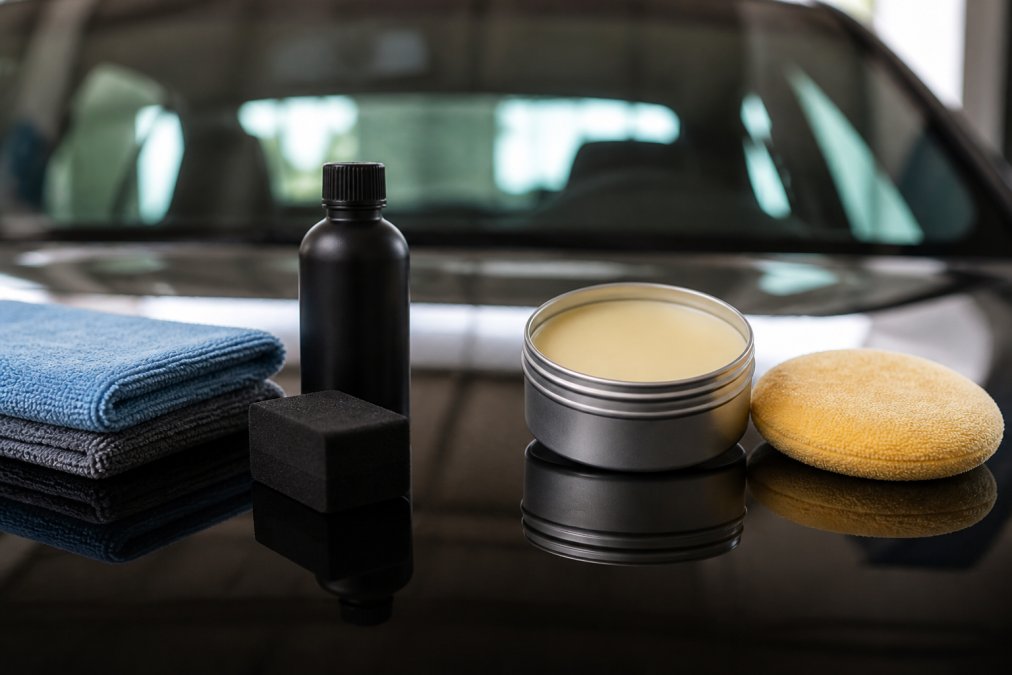
Ceramic coating is a liquid polymer that chemically bonds to your car’s clear coat, forming a semi-permanent layer of protection. Car wax is a natural or synthetic product that sits on top of the paint and wears away over weeks or months. The ceramic coating vs wax for cars debate comes down to a simple trade-off: ceramic coating lasts years but costs more upfront, while wax is cheap and easy but needs frequent reapplication.
Ceramic Coating: Silica-Based Chemical Bonding
A true ceramic coating is silica-based, meaning its primary ingredient is silicon dioxide (SiO2) or a similar compound. When applied, it chemically bonds with the clear coat, creating a hydrophobic surface that repels water and contaminants. This barrier resists UV degradation, chemical staining, and environmental fallout far better than any wax. Curing takes 24 to 48 hours before the vehicle can get wet, with full hardness developing over about a week.
Car Wax: Carnauba and Synthetic Polymer Options
Car wax splits into two camps. Natural carnauba wax comes from the leaves of a Brazilian palm tree and delivers a deep, warm glow many enthusiasts prefer. Synthetic wax, often called polymer sealant, uses lab-made polymers for longer durability and easier application. Hybrid products blend carnauba with SiO2, giving ceramic-like beading with the classic wax look. The trade-off remains: wax sits on the surface, so it wears off.
Ceramic Coating vs Wax for Cars: Durability and Longevity
Durability is where ceramic coating vs wax for cars separates most clearly. A quality ceramic coating holds up for years under normal driving conditions, while wax protection is measured in weeks or months. That gap drives nearly every other difference, from cost to maintenance routine to reapplication frequency.
| Factor | Ceramic Coating | Car Wax |
|---|---|---|
| Typical durability | Years | Weeks to months |
| Application difficulty | High, needs prep | Low, DIY-friendly |
| Hydrophobic beading | Strong, long-lasting | Good, fades fast |
| UV and chemical resistance | High | Moderate |
| Cost per application | Higher upfront | Low, repeated |
How Long Does Ceramic Coating Last Compared to Wax?
Durability decides most ceramic coating vs wax debates, but the answer depends on which product class you buy. Here is how the categories break down in real-world use.
| Product class | Typical durability | Who applies it |
|---|---|---|
| Natural carnauba paste wax | 4 to 8 weeks | DIY |
| Synthetic polymer sealant | 3 to 6 months | DIY |
| Ceramic spray wax (SiO2-infused) | 2 to 4 months | DIY |
| Consumer-grade ceramic coating | 1 to 2 years | DIY or pro |
| Professional-grade ceramic coating | 3 to 5+ years | Pro only |
What Actually Shortens the Life of Each Product
Three things kill a coating early: harsh automatic washes with stiff bristles, abrasive drying towels that mar the surface, and skipped maintenance washes that let contaminants bond. Wax degrades for the same reasons, plus it is far more vulnerable to sunlight and heat cycling. Carnauba softens in high heat and washes away faster in summer.
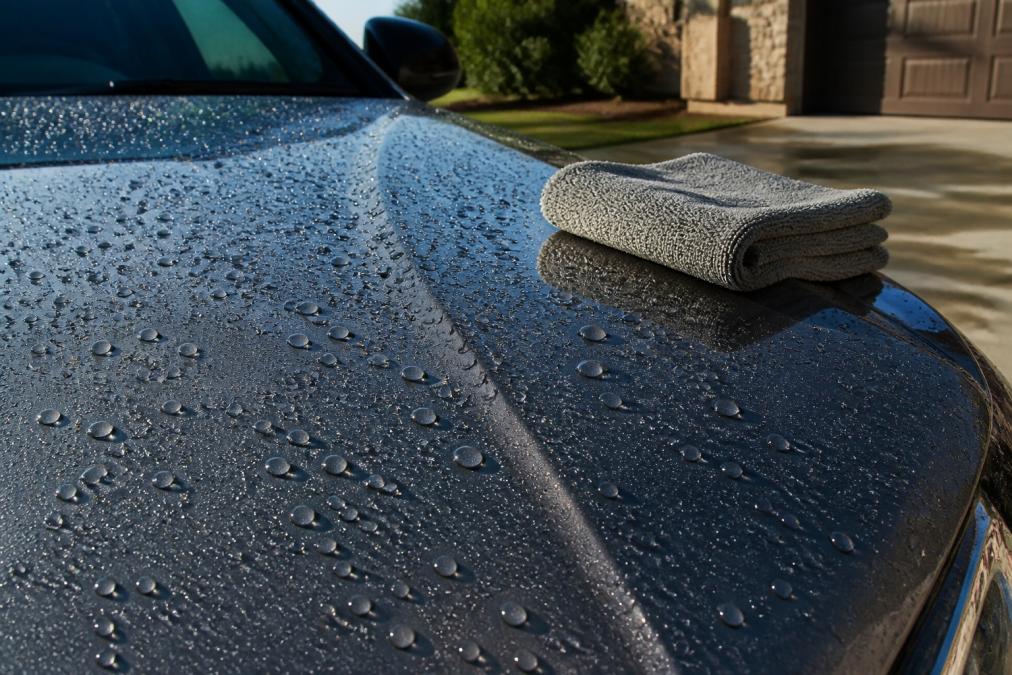
Test your protection with a water bottle, not your eyes. If water beads tightly and rolls off, the layer is intact. If it spreads and clings, it is time to reapply or book a maintenance wash.
The Durability Trap Most Guides Skip
A coating’s multi-year lifespan assumes the paint was corrected first and the owner follows a maintenance routine. A common pattern: an owner pays for a professional coating, then runs the car through a brush wash every week. That coating fails in a year, not five, and the failure gets blamed on the product rather than the process.
Do not judge coating durability by the warranty number on the bottle. Most professional coating warranties require documented maintenance washes at set intervals and exclude damage from automatic brush washes. Read the terms before you pay for the install.
Why This Matters for Your Decision
If you want the longest protection and will commit to the maintenance routine, a professional coating wins on durability by a wide margin. If you want low risk and do not mind reapplying every few weeks, wax or a ceramic spray wax is the smarter buy. A consumer-grade coating applied at home only makes sense if you will do the paint correction yourself and accept that a mistake is permanent.
Paint Correction Before Ceramic Coating: Why Surface Preparation Decides the Result
Paint correction before ceramic coating is not optional. A coating locks in whatever is underneath it, so swirl marks, oxidation, or embedded contaminants get sealed in for years. Surface preparation means full decontamination: a clay bar treatment to pull out bonded particles, then machine polishing to remove defects. Skip this step and you have permanently trapped flaws under a glossy shell.
Applying ceramic coating over uncorrected paint traps swirl marks and oxidation under a hard layer. Removing them later means polishing the coating off entirely and starting over, which doubles your cost.
DIY Ceramic Coating vs Professional Application: Risks and Rewards
DIY ceramic coating vs professional application is the decision most owners get wrong. A professional-grade coating like Gtechniq Crystal Serum Light requires intensive surface preparation and a controlled environment, and the product data notes it demands professional application. High spots, uneven flashing, and missed wipe-off windows are common DIY failures that are difficult to fix once cured.
| Product | Type | Best For |
|---|---|---|
| Gtechniq Crystal Serum Light | Professional coating | Long-term, low-maintenance protection |
| Turtle Wax Hybrid Solutions | Ceramic spray wax | Budget DIY beading |
| Ethos Car Care Ceramic Wax | Carnauba-ceramic hybrid | Enthusiasts wanting gloss |
| Meguiar’s Ultimate Liquid Wax | Synthetic polymer wax | Classic warm shine |
Gloss, Hydrophobic Beading, and Protection Against UV, Chemicals, and Contaminants
Gloss and protection are where the two products feel different in daily use. Ceramic coating adds a sharp, glassy gloss and strong beading that helps water sheet off, carrying dirt with it. Wax adds depth and warmth, especially carnauba, but its hydrophobic performance fades faster and its chemical resistance is lower. Against UV degradation, oxidation, and fallout like tree sap and bird droppings, a coating’s silica-based barrier holds up better across a durability cycle.
Cost, Layering Compatibility, Environmental Impact, and Resale Value
These four topics decide the long-term value of your choice, and most comparison articles skip three of them entirely. Here is the practical breakdown.
Cost: Upfront vs. Cost Per Year
The sticker price is misleading because the two products operate on different timelines. A typical breakdown:
| Option | Upfront cost | Reapplication interval | Rough cost per year |
|---|---|---|---|
| Carnauba paste wax (DIY) | $15 to $40 per tin | Every 4 to 8 weeks | $60 to $200 in product |
| Synthetic sealant (DIY) | $20 to $50 per bottle | Every 3 to 6 months | $40 to $150 in product |
| Ceramic spray wax (DIY) | $15 to $35 per bottle | Every 2 to 4 months | $50 to $150 in product |
| Consumer ceramic coating (DIY) | $60 to $150 per kit | Every 1 to 2 years | $30 to $150 plus your labor |
| Professional ceramic coating | $500 to $2,500+ installed | Every 3 to 5+ years | $100 to $800 per year amortized |
Layering Compatibility: What You Can and Cannot Stack
This is the most misunderstood part of the ceramic vs wax question.
- Wax over ceramic coating: Yes, with caveats. A ceramic-infused wax or a pure carnauba topper can be applied over a cured coating to add gloss and a warmer look. Many detailers do this as a maintenance step. The wax sits on top and wears away in weeks, leaving the coating intact underneath.
- Ceramic coating over wax: No. A true coating needs to chemically bond to bare, corrected clear coat. Wax, sealant, or any oily residue blocks that bond and causes the coating to fail, flake, or cure unevenly. You must strip all wax before coating.
- Ceramic spray wax over ceramic coating: Yes, and this is the most common maintenance approach. It refreshes hydrophobic beading between full coating services without disturbing the base layer.
- Wax over wax: Fine, but pointless. You are just adding layers that wear off at the same rate.
Environmental Impact
Carnauba wax is plant-derived and biodegrades faster than synthetic alternatives. That sounds greener, but the full picture is more complicated: carnauba waxes often contain petroleum-based solvents and require frequent reapplication, meaning more packaging, shipping, and product used over the life of the car.
Resale Value
Paint protection does not add a line item to an appraisal the way a new transmission would, but it affects how the car reads to a buyer. A finish with intact clear coat, no oxidation, and no swirl marks signals a cared-for vehicle, supporting a stronger negotiating position.
How to Choose the Right Paint Protection for Your Car
Use this framework. If you park outdoors, drive daily, and want to stop reapplying product every few weeks, a professional ceramic coating is the better long-term value. If you enjoy weekend detailing and want an affordable, low-risk option, a quality wax or ceramic spray wax fits. If you want gloss now and a coating later, start with a decontamination and clay bar treatment.
- Park indoors or out? Outdoor parking favors a coating.
- How often will you reapply? Rarely favors a coating.
- Is your paint already corrected? If not, correct it first.
- What is your budget and risk tolerance? Wax is low-risk.
- Do you want a warranty-backed result? Choose professional application.
Frequently Asked Questions
What is the main difference between ceramic coating and car wax?
Ceramic coating forms a semi-permanent chemical bond with your clear coat using silica-based (SiO2) polymers, creating a hard, hydrophobic layer that resists chemicals, UV degradation, and environmental fallout. Car wax, whether natural carnauba or synthetic polymer, sits on top of the paint as a sacrificial layer that adds gloss and some protection but breaks down within weeks to a few months. The ceramic coating vs wax choice comes down to longevity and chemical resistance versus ease and cost.
How long does ceramic coating last compared to car wax?
A professional-grade ceramic coating such as Gtechniq Crystal Serum Light provides up to 5 years of protection, while most car waxes and spray-on SiO2 products last anywhere from a few weeks to several months. Hybrid products like Ethos Car Care Ceramic Wax offer several months per application. The gap widens with maintenance: regular pH-neutral washes extend coating life, while wax needs reapplication far more often to maintain its beading effect.
Is it possible to apply wax over a ceramic coating?
Yes, you can apply wax over a cured ceramic coating, but it is usually unnecessary. A wax topper can add a warmer glow and mask minor imperfections, but it may reduce the coating’s hydrophobic sheeting and interfere with its self-cleaning properties. If you want extra protection, use a ceramic-safe spray sealant or SiO2 booster instead of a traditional carnauba wax, which can leave residues that clog the coating surface.
Does ceramic coating protect against rock chips and scratches?
Ceramic coatings provide moderate swirl mark and light scratch resistance because of their hardness, but they are not a substitute for paint protection film when it comes to rock chips. A coating helps prevent wash-induced swirl marks and minor marring, while a wax offers almost no scratch resistance. For impact protection from road debris, clear bra or PPF is the correct product, not a coating or wax.
Which is more cost-effective: ceramic coating or car wax?
Wax has a lower upfront cost, with products like Turtle Wax Hybrid Solutions Ceramic Spray Wax starting around $15, but it requires frequent reapplication that adds up in time and product. A professional ceramic coating costs more initially and requires paint correction before ceramic coating, yet it can last up to 5 years with minimal maintenance. For busy owners who value time and consistent gloss, the coating often wins on total cost of ownership.
Choosing paint protection is really a question of how much time and risk you want to take on. A coating rewards you with years of easier washing and stronger protection, but only when the surface prep is done right. Clean Image 101 handles the full process for you, from bug removal and clay bar treatment to paint restoration, all at your location. Book professional car care today and let our experienced team protect your finish the right way.
Comments are closed.