Ceramic Coating vs Paint Protection Film: 2026 Guide
Table of Contents
- What Is Paint Protection Film?
- What Is Ceramic Coating?
- Key Differences Between Ceramic Coating and Paint Protection Film
- Paint Protection Film Cost and Installation Complexity
- Ceramic Coating vs Wax for Cars: Which Offers Better Protection?
- Benefits of Ceramic Coating for Long-Term Paint Preservation
- Hybrid Layering: Combining Both for Maximum Protection
- Resale Value Impact and Environmental Considerations
- Frequently Asked Questions
Last Updated: September 28, 2026
What Is Paint Protection Film?
Paint protection film (PPF) is a transparent, thermoplastic polyurethane layer applied directly to your vehicle’s exterior surfaces. It acts as a sacrificial barrier between your car’s paint and road hazards like rock chips, debris, and environmental contaminants.
The film bonds to the paint and absorbs impact energy that would otherwise damage the clear coat. Most PPF products include self-healing properties, meaning minor scratches and swirl marks disappear when exposed to heat from sunlight or a heat gun. This technology has transformed how serious car owners protect high-impact areas like the hood, fenders, and bumper.
PPF typically comes in two grades: consumer-grade DIY kits and professional-grade films. Professional installations use premium films like Hexis Bodyfence, which offer superior self-healing capabilities and durability. The film remains nearly invisible once applied, preserving your vehicle’s original appearance while providing strong physical protection.
Professional PPF installation requires meticulous surface preparation. The installer must clay bar treat the surface to remove contaminants, then apply the film with precision. Any dust or debris trapped underneath creates permanent imperfections. This is why professional application costs significantly more than ceramic coating but delivers superior results for high-impact areas.
What Is Ceramic Coating?
A ceramic coating is a liquid nanotechnology product that chemically bonds to your vehicle’s clear coat. It creates a durable, semi-permanent protective layer through silica dioxide molecules that form a hydrophobic surface. Unlike PPF, ceramic coating doesn’t physically shield your paint from rock chips, instead, it protects against chemical damage and enhances aesthetics.
The coating creates extreme water beading and reduces surface tension, making water and contaminants slide off your car. This hydrophobic property dramatically reduces the effort required for routine washing and maintenance. Professional ceramic coatings like Undrdog Coating and Chemical Guys Carbon Flex C9 bond at the molecular level, providing protection that lasts 2-5 years depending on the product and environmental exposure.
Ceramic coating excels at protecting against bird droppings, acid rain, UV rays, and road grime, the chemical hazards that oxidize and degrade clear coat over time. The gloss enhancement is immediate and dramatic, creating a deep, reflective shine that looks freshly detailed.
Ceramic coating is best suited for owners who prioritize ease of maintenance and aesthetic gloss. It won’t stop a rock chip, but it will keep your paint looking showroom-new between washes.
Key Differences Between Ceramic Coating and Paint Protection Film
When comparing ceramic coating vs paint protection film, the fundamental difference comes down to physics: PPF is a physical barrier, while ceramic coating is a chemical bond. Understanding this distinction determines which solution matches your priorities.
Protection Against Rock Chips and Debris
Paint protection film wins decisively here. PPF absorbs the kinetic energy of road debris and prevents it from reaching your clear coat. A rock traveling at highway speed hits the film instead of your paint. The film may show a mark, but your actual paint remains untouched.
Ceramic coating offers zero protection against physical impact. A rock chip will penetrate ceramic coating as easily as it penetrates bare clear coat. However, ceramic coating does protect the exposed paint underneath from oxidation once the chip occurs, a minor benefit that doesn’t justify choosing ceramic coating for impact protection.
For vehicles in high-impact zones, highway commuters, delivery vehicles, or sports cars, PPF is non-negotiable. Ceramic coating alone leaves you vulnerable to the exact damage that matters most on the road.
Scratch Resistance and Self-Healing Properties
Both solutions address scratches, but in different ways. PPF’s self-healing technology is the standout feature here. Minor scratches in the film disappear when heat is applied, restoring the surface to its original clarity. Deep scratches that penetrate the full film thickness won’t self-heal, but minor surface damage vanishes within minutes.
Ceramic coating doesn’t self-heal. Once scratched, the coating is compromised at that point. The scratch won’t spread, but it won’t disappear. This matters for owners who wash their cars frequently or live in dusty environments where swirl marks accumulate.
Gloss, Shine, and Aesthetic Finish
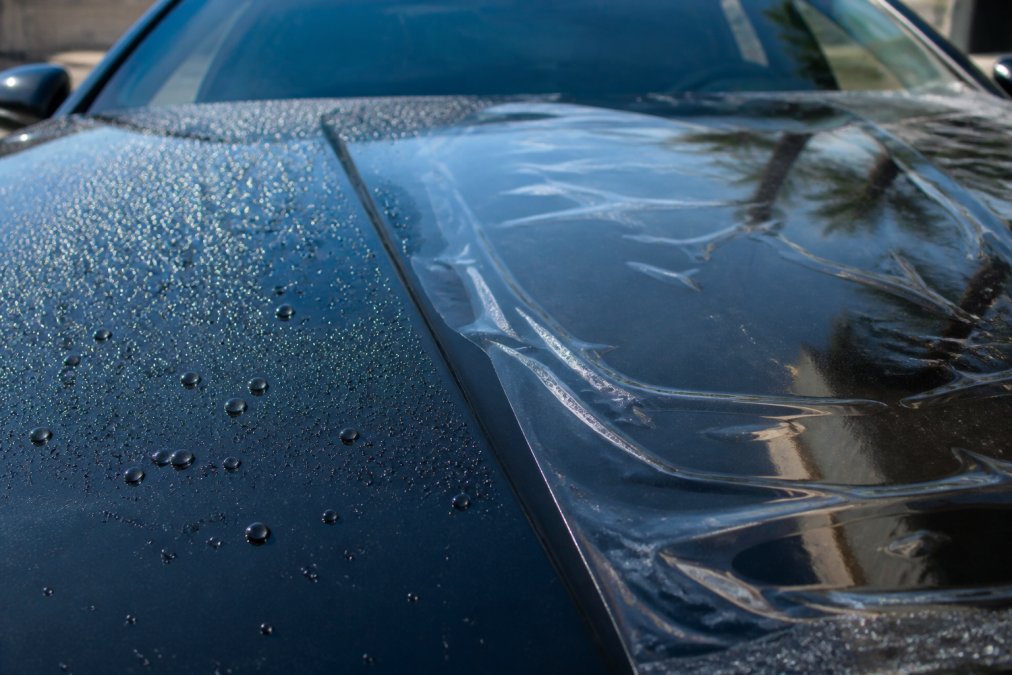
Ceramic coating dominates in visual appeal. The gloss enhancement is immediate and profound, your car looks like it just left the detail shop. The hydrophobic surface creates that signature water-beading effect that’s both functional and visually striking.
PPF maintains your paint’s original appearance but doesn’t enhance it. High-quality films like Hexis Bodyfence are nearly invisible, which is the goal, you get protection without altering how your car looks. Some PPF products have a slight orange-peel texture if not installed perfectly, which detracts from appearance.
If your priority is making your car look better, ceramic coating wins. If your priority is protecting what you already have without changing its appearance, PPF is the choice.
Ease of Maintenance and Cleaning
Ceramic coating makes routine maintenance dramatically easier. The hydrophobic surface sheds water and reduces the adhesion of contaminants. Washing your car takes less time and effort because dirt doesn’t cling to the surface as stubbornly.
PPF requires the same maintenance as unprotected paint. You still need regular washing, clay bar treatments, and attention to surface contamination. The only advantage is that the film protects your actual paint underneath, so you’re not degrading your clear coat, you’re degrading the film instead.
Book professional car care today →
For busy professionals who want to minimize detailing time, ceramic coating is the practical choice. For those willing to maintain their vehicles properly, PPF’s maintenance burden is acceptable given its superior impact protection.
Paint Protection Film Cost and Installation Complexity
Professional PPF installation is expensive and requires expertise. The process involves surface preparation, film cutting and fitting, careful application, and curing time. High-quality installations on full vehicles typically require multiple hours of labor.
Installation complexity varies by coverage area. Partial PPF coverage (hood, fenders, bumper, mirrors) is more affordable than full-body coverage. The installer must account for body lines, curves, and seams to ensure seamless protection. Poor installation leaves visible edges, bubbles, or misalignment that’s difficult to correct.
Chemical Guys Carbon Flex C9 and similar ceramic coatings cost less to install than PPF. Professional ceramic coating application typically takes 4-8 hours and involves paint correction, surface preparation, and careful application. The lower installation cost makes ceramic coating attractive to budget-conscious owners.
DIY ceramic coating products exist but require meticulous surface preparation to bond properly.
Never attempt full-vehicle PPF installation yourself unless you have professional experience. A single mistake, dust under the film, improper stretching, or misalignment, creates permanent defects that are expensive to correct. Professional installation is worth the cost.
Ceramic Coating vs Wax for Cars: Which Offers Better Protection?
Traditional car wax is fundamentally different from ceramic coating. Wax sits on top of the clear coat and provides a slick surface but offers minimal chemical protection. Wax degrades quickly, typically lasting 1-3 months before requiring reapplication.
Benefits of Ceramic Coating for Long-Term Paint Preservation
Ceramic coating excels at protecting your clear coat from oxidation, UV damage, and chemical degradation. The hydrophobic surface prevents water spots and mineral deposits from etching into the paint. Over time, this protection preserves your vehicle’s resale value and aesthetic appeal.
Hybrid Layering: Combining Both for Maximum Protection
The ultimate protection strategy combines PPF and ceramic coating. Apply PPF to high-impact areas (hood, fenders, bumper, mirrors), then apply ceramic coating over the entire vehicle, including the PPF.
Resale Value Impact and Environmental Considerations
A well-protected vehicle maintains its resale value significantly better than an unprotected one. Buyers notice paint condition immediately. A car with oxidized, chipped, or stained clear coat commands lower offers than one with pristine paint. PPF and ceramic coating preserve that condition, supporting better resale outcomes.
| Factor | Paint Protection Film | Ceramic Coating | Hybrid Approach |
|---|---|---|---|
| Rock chip protection | Excellent | None | Excellent |
| Chemical protection | Moderate | Excellent | Excellent |
| Self-healing | Yes (minor) | No | Yes (minor) |
| Gloss enhancement | Minimal | Excellent | Excellent |
| Maintenance ease | Standard | Easy | Easy |
| Installation cost | High | Moderate | Very high |
| Durability | 5-10 years | 2-5 years | 5-10 years |
| Best for | High-impact areas | Entire vehicle | Maximum protection |
Paint protection film technology and self-healing properties
Ceramic coating chemistry and hydrophobic surface treatment
Professional automotive detailing standards and paint protection methods
Frequently Asked Questions
What is the main difference between ceramic coating and paint protection film?
Ceramic coating is a liquid chemical barrier that bonds to paint, creating a hydrophobic, UV-protective layer that enhances gloss and reduces maintenance. Paint protection film is a physical thermoplastic polyurethane layer that shields paint from rock chips, scratches, and impact damage. PPF offers superior protection against physical damage; ceramic coating excels at ease of cleaning and aesthetic enhancement.
How long does paint protection film last compared to ceramic coating?
Paint protection film typically lasts 5-10 years with proper care and maintains its self-healing properties throughout. Ceramic coatings generally last 2-5 years depending on the product grade and maintenance routine. PPF provides longer-term physical protection, while ceramic coatings require more frequent reapplication but offer easier upkeep between applications.
Which provides better scratch protection: PPF or ceramic coating?
Paint protection film excels at scratch protection, especially against deep gouges and impact damage, thanks to its self-healing thermoplastic polyurethane composition. Ceramic coatings reduce minor swirl marks and surface contamination but cannot prevent rock chips or deep scratches. For high-impact areas and maximum scratch resistance, PPF is the superior choice.
Is ceramic coating worth the cost for daily drivers?
Yes, ceramic coating offers strong value for daily drivers. It reduces washing frequency, prevents acid rain and bird droppings damage, and maintains UV protection against oxidation. The lower upfront cost compared to PPF, combined with easier maintenance and improved gloss, makes it practical for vehicles regularly exposed to environmental contaminants and sun exposure.
Can you apply ceramic coating over paint protection film?
Yes, applying ceramic coating over paint protection film is possible and creates a hybrid protection strategy. The ceramic layer enhances the hydrophobic properties of the PPF and adds gloss enhancement, while the PPF underneath provides impact resistance. This combination offers both physical damage protection and improved maintenance characteristics.
Comments are closed.