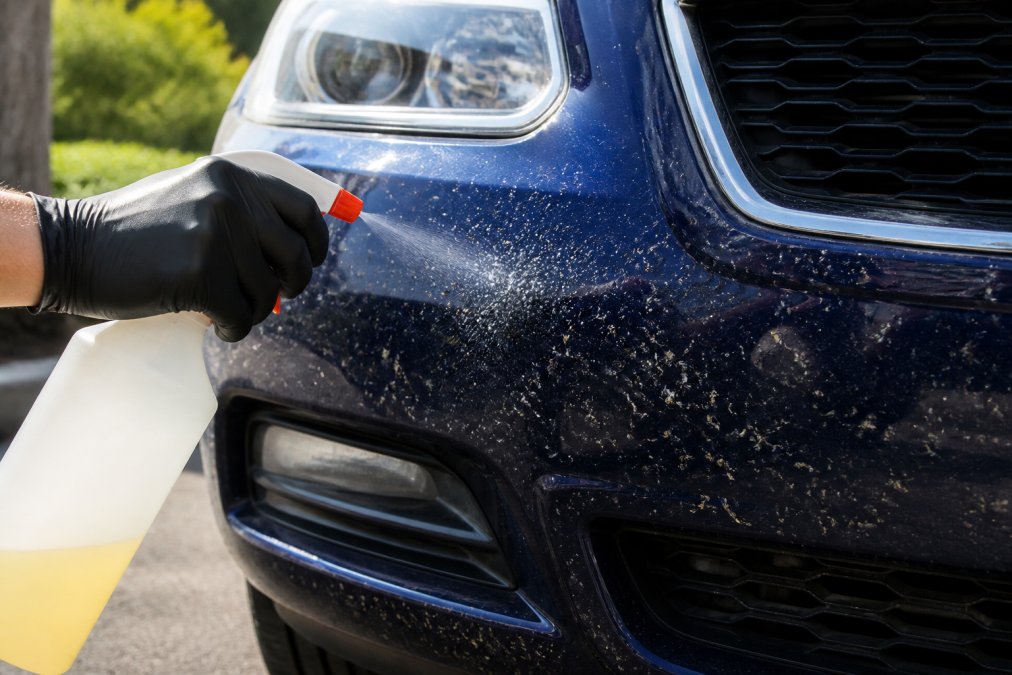
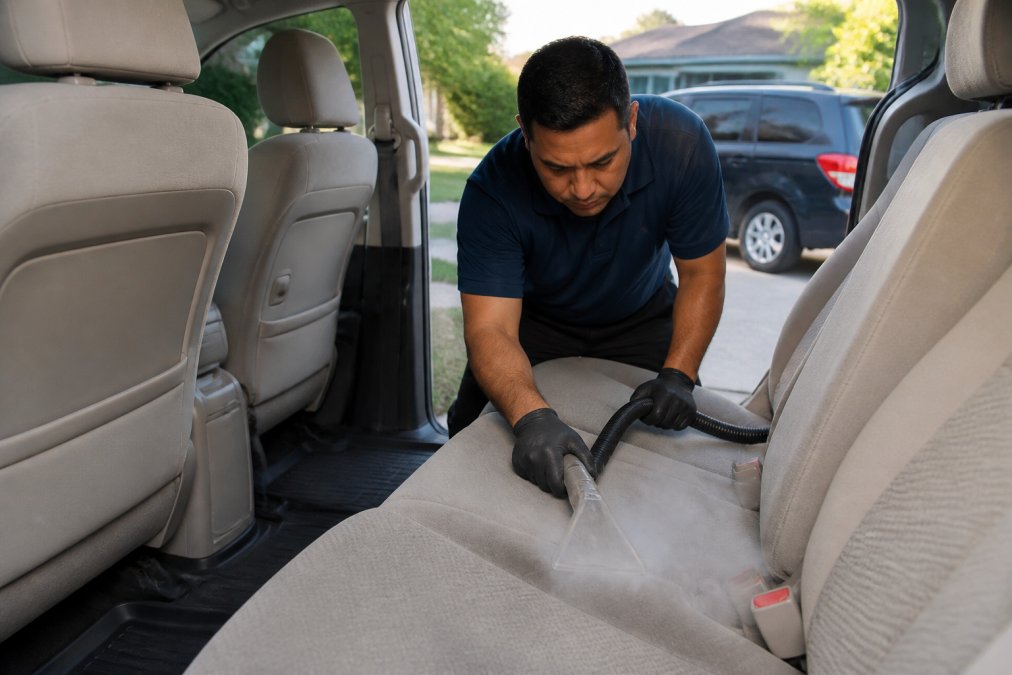
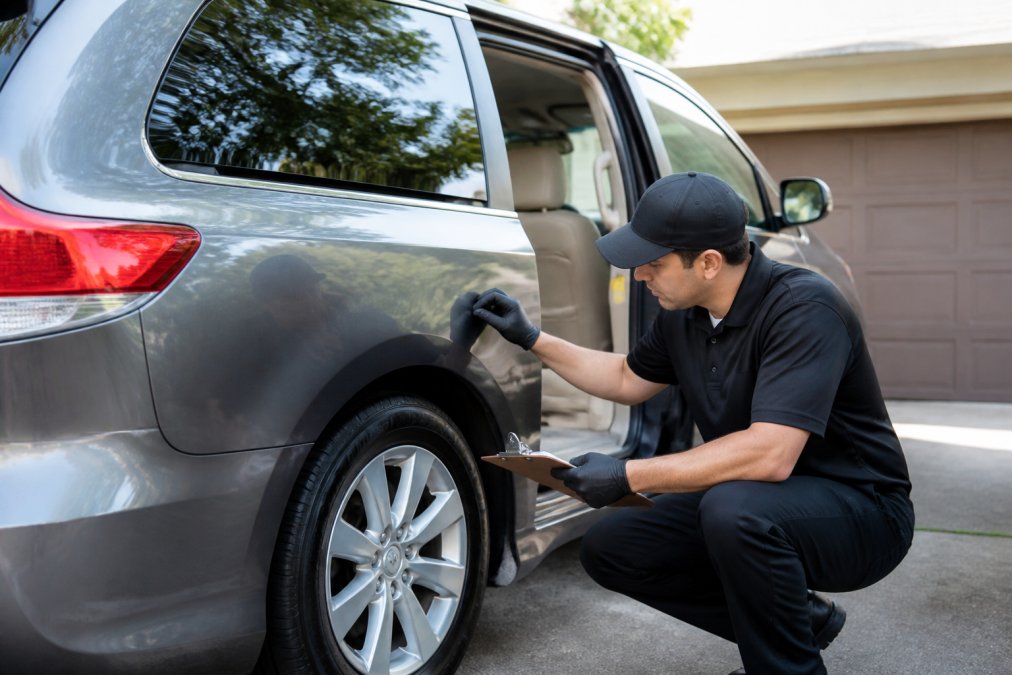
Welcome to Clean Image Mobile, we are a fully mobile car detailing service that brings professional auto care directly to you.

Why Paint Restoration Is Different for Luxury Vehicles

Luxury vehicles are more than just transportation—they’re precision-built machines crafted with premium materials, advanced paint systems, and flawless finishes. Because of this, restoring paint on a luxury car requires a completely different approach than a standard vehicle.

Whether you drive a BMW, Tesla, Mercedes, Porsche, or any other high-end brand, understanding these differences can help you protect your investment and maintain that showroom-level shine.

In this guide, we’ll break down why luxury vehicle paint restoration demands higher expertise, better products, and a meticulous process.

Understanding Luxury Vehicle Paint Systems

Luxury vehicles often feature paint that is:

This means restoring defects like swirl marks, oxidation, scratches, or water spots must be done with extreme precision.

Why Paint Restoration Differs for Luxury Cars

1. High-Quality Paint Requires High-Quality Processes

Luxury vehicles are painted with premium materials that respond differently to abrasives and polishing tools. The wrong pad, product, or pressure can quickly cause:

  1. Holograms
  2. Burn-through spots
  3. Permanent clear coat damage

Professional detailing experts use specialized compounds and dual-action polishers designed specifically for luxury finishes.

2. Luxury Clear Coats Are Often Harder (or Softer) Than Usual

Depending on the brand, some luxury cars have extremely hard clear coats (like Audi or BMW), while others have noticeably soft paint (like Porsche or Tesla).

Each requires a completely different correction method.

Hard paints need aggressive compounds but skilled control.
Soft paints mar easily and require ultra-fine polishing.

3. Precision Matters More Than Speed

Luxury paint correction is performed slowly and strategically, focusing on:

4. Advanced Tools and Premium Products Are Required

Luxury vehicles respond best to superior detailing tools and products, such as:

These ensure the corrected finish is smooth, consistent, and long-lasting.

5. Many Luxury Finishes Need Specialized Care

High-end brands often include unique finishes such as:

These require products that won’t add gloss where it shouldn’t be or strip essential protective layers.

Luxury Vehicle Paint Restoration Schedule

Here’s a simple guideline to maintain a flawless finish on high-end vehicles:

Service Recommended Frequency Why It Matters

This schedule ensures the paint stays healthy, glossy, and protected for years.

Tips for Keeping Luxury Paint in Perfect Condition

Final Thoughts

Luxury vehicles deserve more than basic detailing. Their premium paint systems require careful handling, high-quality products, and experienced technicians who understand how to correct paint without damaging it.

By choosing professionals who specialize in luxury paint restoration, you ensure your vehicle remains stunning, glossy, and protected long-term.

Restore Your Luxury Vehicle’s Beauty with Clean Image Mobile

When it comes to Complete Car Detailing and professional paint restoration, Clean Image Mobile delivers unmatched quality and precision. Their specialists use advanced tools, premium correction techniques, and luxury-grade products to restore your vehicle’s paint safely and effectively.

Whether your car needs swirl removal, deep correction, or high-gloss restoration, Clean Image Mobile ensures your luxury vehicle receives the expert care it deserves.

The Hidden Benefits of Detailing Your Electric Car (EV)

Electric vehicles (EVs) are transforming the way we drive — offering quiet performance, zero emissions, and cutting-edge design. But while most EV owners focus on charging efficiency and battery health, one important aspect often gets overlooked: professional detailing.

Detailing an EV isn’t just about aesthetics — it’s about preserving performance, longevity, and value. Whether you drive a Tesla, Rivian, or any other electric model, consistent detailing provides several hidden benefits that go far beyond a glossy finish.

1. Protection Against Unique EV Elements

Unlike traditional cars, EVs feature special materials and finishes — from high-tech glass roofs to aluminum panels and aerodynamic trims. These materials need a gentler yet effective cleaning approach.

EV Surface Why It’s Sensitive Detailing Solution
Aluminum Body Panels Prone to oxidation if not treated Use pH-neutral cleaners & ceramic protection
Glass Roofs Collect heat and grime easily Use UV-protectant glass sealants
Matte Paint Finishes Can scratch or lose texture with wax Use dedicated matte surface coatings

Proper detailing ensures every EV-specific surface is cleaned and protected with precision — maintaining the car’s futuristic look without damaging delicate components.

2. Boosting Aerodynamic Efficiency

A clean car doesn’t just look better — it drives better. Dirt and debris can subtly alter your EV’s aerodynamic flow, increasing drag and reducing range efficiency.

When detailing specialists apply ceramic coatings and hydrophobic sealants, the surface becomes smoother, allowing air to flow freely. This reduces friction, which can lead to slightly improved mileage per charge — a benefit most drivers overlook!

Benefit Impact on EV
Reduced drag Smoother airflow and extended range
Cleaner sensors Better performance for autopilot and safety systems
Less dust buildup Fewer obstructions to cooling vents and charging ports

3. Preserving Your Battery and Electronics

Your EV’s battery, sensors, and electronics are its lifeblood. Detailing helps protect these sensitive systems from moisture, dust, and corrosion.
Regular cleaning around charging ports, vents, and undercarriage prevents buildup that could affect performance or cooling.

Professional detailers use non-conductive and water-based cleaning products to ensure your car’s electronic components stay safe while removing harmful contaminants.

4. Interior Care That Matches High-Tech Design

EV interiors are modern, minimalist, and tech-heavy — featuring touchscreen panels, synthetic leather, and recycled materials.
These surfaces require special care to maintain their feel and functionality. A professional detailer knows how to clean these materials safely, avoiding harsh chemicals that can degrade finishes or screens.

Routine detailing also eliminates allergens, odors, and dust — creating a healthier environment for passengers and keeping that new-EV freshness for years.

5. Protecting Your Investment and Resale Value

Electric cars are valuable assets. Maintaining pristine condition not only enhances appearance but also protects resale value.
Buyers notice when an EV has been professionally cared for — clean paint, polished rims, and a spotless cabin make a strong impression.

Consistent detailing acts like “preventive maintenance,” ensuring your EV stays as efficient and appealing as the day you bought it.

6. Environmentally Friendly Cleaning Options

Detailing doesn’t have to be wasteful. Many professional detailers now use eco-conscious waterless washes, biodegradable soaps, and steam cleaning systems that align with the sustainability principles of EV ownership.

So, by detailing your electric car, you’re not only protecting your investment — you’re also contributing to a cleaner planet.

Professional EV Detailing: A Smart Move

Owning an electric car means embracing innovation and efficiency. Proper detailing complements that mindset by extending the lifespan of every component — from your battery casing to your touchscreen dashboard.

At Clean Image Mobile, we specialize in eco-friendly detailing for electric vehicles. Our team uses advanced products and techniques designed specifically for EV materials and surfaces. Whether it’s a deep interior refresh, paint protection, or ceramic coating, we ensure your electric car looks stunning and performs at its peak.

The Hidden Dangers of Skipping Paint Protection: Why PPF Is Essential for Your Car

A car’s paint does more than just look good—it protects your vehicle’s body from damage, corrosion, and wear. But every day, your car faces threats from road debris, sunlight, and harsh weather. Without Paint Protection Film (PPF), your paint can quickly lose its shine and value.

What Is Paint Protection Film (PPF)?

PPF is a transparent, high-performance film applied over your car’s paint. It’s designed to protect the surface from scratches, rock chips, UV damage, and stains. Made from durable polyurethane, it acts as a second skin—strong enough to handle daily wear yet nearly invisible to the eye.

Modern PPFs are self-healing, meaning minor scratches disappear with heat or sunlight, keeping your car looking fresh without constant polishing.

The Hidden Cost of Skipping Paint Protection

Choosing not to install PPF might save money upfront, but it exposes your car to long-term damage that can be expensive to fix.

Issue Cause Impact Over Time
Paint Fading Continuous UV exposure Color dulls and loses gloss
Rock Chips Gravel and road debris Deep chips that require repainting
Corrosion Moisture and salt buildup Rust spots form under the paint
Oxidation Sun and pollution Rough texture and uneven tone
Resale Value Loss Visible paint damage Lower offers from buyers

Repairing or repainting panels often costs much more than applying PPF once.

Why PPF Is Worth the Investment

1. Long-Term Paint Protection
PPF absorbs the impact from road debris, saving your paint from damage.

2. Preserves Original Shine
It keeps your car glossy without frequent waxing or polishing.

3. UV and Chemical Resistance
PPF blocks harmful sun rays and stains caused by bird droppings, tree sap, or road salts.

4. Enhances Resale Value
A well-preserved exterior tells buyers your car has been cared for, helping you get better offers.

5. Low Maintenance
Once applied, PPF requires minimal upkeep—just regular washing.

PPF vs. Other Protection Methods

Feature PPF Ceramic Coating Wax
Scratch Resistance Excellent Moderate Low
UV Protection Strong Good Temporary
Durability 5–10 Years 2–3 Years Weeks
Self-Healing Yes No No
Physical Barrier Yes No No

PPF stands out as the only option that offers true physical protection rather than just a surface shine.

When Should You Apply PPF?

The best time to apply PPF is right after purchasing your car. Fresh paint means the surface is smooth, clean, and damage-free. However, if your vehicle is older, it’s still not too late—detailers can restore the paint before applying the film for the same long-lasting benefits.

Tips for Choosing the Right PPF Installer

A proper installation makes all the difference. Look for:

These ensure your PPF looks flawless and lasts for years.

Protect Your Car with Clean Image Mobile

At Clean Image Mobile, we specialize in professional Paint Protection Film installation that keeps your car safe, shiny, and stunning. Our expert technicians use industry-leading materials and precision tools to deliver a smooth, invisible finish that stands the test of time.

Whether it’s a daily commuter or a luxury vehicle, we treat every car with care and attention. Protect your investment, preserve your paint, and keep your car looking new—inside and out—with Clean Image Mobile.

Does Window Tinting Help with Interior Fading? Discover the Benefits!

Window tinting has become a popular way to enhance the appearance and comfort of vehicles, but one of its lesser-known benefits is its ability to protect your car’s interior from fading. In this blog post, we will dive deep into how window tinting helps prevent interior fading, its benefits, and why it’s a smart investment for maintaining your car’s interior quality.

What Causes Interior Fading?

The primary culprit behind interior fading is ultraviolet (UV) rays. These rays penetrate through your vehicle’s windows and can significantly damage the interior materials, causing fading, cracking, and deterioration. Over time, continuous exposure to UV radiation can cause the seats, dashboard, upholstery, and other interior features to lose their color and texture.

How Does Window Tinting Protect Against Interior Fading?

Window tinting works by blocking UV rays and reducing the amount of heat that enters your vehicle. Two main types of window film help with interior fading:

  1. UV Blocking Films: These films are designed to block up to 99% of harmful UV rays, preventing them from penetrating your windows. This significantly reduces the exposure of your car’s interior to the sun’s damaging rays, helping preserve the color and texture of upholstery and dashboard materials.

  2. Heat Reduction Films: In addition to blocking UV rays, these films help in reducing the overall heat entering your vehicle. Less heat means less wear and tear on your interior materials, reducing the likelihood of cracking or fading due to heat exposure.

Benefits of Window Tinting for Interior Fading Prevention

  1. Protection for Upholstery and Dashboard: The primary benefit of window tinting is protecting your car’s upholstery and dashboard from the sun. Fabrics, leathers, and plastics can fade and crack over time when exposed to constant UV rays. By blocking these harmful rays, window tinting extends the lifespan of your car’s interior.

  2. Maintaining Aesthetic Appeal: Window tinting keeps the interior of your car looking newer for longer. You won’t have to worry about unsightly faded upholstery or cracked dashboards. The result is a more polished and aesthetically pleasing interior that holds its value over time.

  3. Increased Comfort: Tinted windows keep the interior of your vehicle cooler, reducing the need for air conditioning. This added comfort is especially noticeable during the summer months when the sun is at its peak.

  4. Enhanced Privacy and Security: While preventing fading, window tinting also enhances your privacy by reducing the visibility into your vehicle. This can be a valuable security feature, protecting your belongings from prying eyes.

  5. Improved Resale Value: A well-maintained interior increases the resale value of your car. With window tinting protecting your vehicle’s interior from fading, you’ll likely find that your car retains its value better than one that hasn’t had this added protection.

Types of Window Tinting Films

There are different types of tinting films available, each offering varying degrees of protection and style. Some of the most common types include:

Is Window Tinting Legal?

Before getting your windows tinted, it’s important to check local regulations regarding window tinting. Different states and countries have different rules about how dark the tint can be. Ensure that the tint level you choose complies with the law to avoid fines and legal issues.

How to Restore Faded Headlights to Like-New Condition

Over time, headlights on your car can lose their clarity and brightness due to exposure to UV rays, road grime, and environmental factors. Faded headlights not only affect the aesthetic appeal of your vehicle but can also reduce your visibility while driving at night, making them a safety concern. The good news is that restoring faded headlights is a relatively simple and affordable task that you can do yourself.

In this guide, we’ll walk you through the process of restoring faded headlights to their like-new condition. Whether you choose to use a DIY method or seek professional help, we’ll cover all the steps, tools, and tips you need to restore your headlights and improve your driving experience.

Why Do Headlights Fade?

Before diving into the restoration process, it’s essential to understand why headlights fade in the first place:

Faded headlights are a common issue for vehicle owners, but with the right tools and techniques, you can restore them to their original clarity.

How to Restore Faded Headlights: Step-by-Step Guide

1. Clean the Headlights

Before beginning the restoration process, it’s essential to clean the headlights thoroughly to remove dirt, grime, and other contaminants. Follow these steps:

This step is essential because any debris left on the lens can cause scratches during the restoration process.

2. Apply a DIY Restoration Kit

One of the most effective ways to restore faded headlights is by using a headlight restoration kit. These kits are widely available and typically contain sandpaper, polish, and a protective sealant. Here’s how to use it:

3. Use Household Items for a DIY Fix

If you prefer a more budget-friendly solution, there are several household items that can work as an alternative to commercial headlight restoration kits. Here are some popular methods:

4. Buff the Headlights with a Power Buffer (Optional)

If you want a more professional finish, you can use a power buffer or a drill with a buffing pad. This tool will give you more consistent pressure and coverage, making the polishing process faster and more effective. Make sure to use a low-speed setting and apply the polishing compound evenly.

5. Apply UV Protection

Once your headlights are restored, it’s essential to apply UV protection. Over time, UV rays from the sun will cause the headlights to fade again. You can buy a UV-resistant sealant specifically designed for headlights, or use clear car wax to provide a protective layer. This will help keep your headlights clear and bright for a longer period.

How Often Should You Restore Your Headlights?

Restoring your headlights is a great way to improve the look and functionality of your car, but you should also take steps to prevent future fading. After restoring them, apply a UV protective coating every 6-12 months to maintain their clarity and prevent oxidation. Regularly cleaning your headlights can also help extend their lifespan and maintain their brightness.

When Should You Seek Professional Help?

While DIY restoration methods are effective for many car owners, there are times when professional help may be necessary. If your headlights are severely damaged, deeply yellowed, or have cracks, a professional service may be able to provide a more thorough restoration. Additionally, a professional service will likely have access to more advanced tools and techniques, which can deliver better and longer-lasting results.

Restore Your Headlights with Professional Help from Clean Image Mobile

Restoring faded headlights is a cost-effective and straightforward way to improve the appearance and safety of your car. Whether you choose to tackle the job yourself with a DIY kit or seek professional assistance, the results will be well worth the effort. Remember to maintain your headlights with regular cleaning and UV protection to keep them looking like new.

If you’re looking for professional headlight restoration, Clean Image Mobile offers high-quality services that can bring your headlights back to life. Our expert team uses the latest techniques and products to ensure your headlights are clear, bright, and safe for night driving. Trust Clean Image Mobile for all your vehicle detailing and restoration needs.

Why Clean Image Mobile is the Best Choice for Convenient, Professional Car Cleaning & Detailing

When it comes to keeping your car looking brand new, finding the right car cleaning and detailing service is crucial. Clean Image Mobile provides the ultimate solution for car owners who want top-quality, professional service right at their doorstep. Here’s why we’re the best choice for your car cleaning and detailing needs.

1. Convenience at Your Doorstep

One of the biggest advantages of Clean Image Mobile is the convenience we offer. You don’t have to drive to a car wash, wait in long lines, or waste time. Our mobile service comes directly to you, whether you’re at home, work, or anywhere else. Our team will handle everything on-site, saving you time and hassle.

2. Professional and Skilled Technicians

Our team is made up of certified and highly trained technicians who know exactly how to treat your vehicle. At Clean Image Mobile, we use the latest tools and techniques to ensure every inch of your car is cleaned to perfection. We take pride in our work and strive for excellence in every job we do.

3. Comprehensive Car Detailing Packages

From exterior washing to interior cleaning and everything in between, Clean Image Mobile offers a range of car detailing packages tailored to your needs. Whether you’re looking for a basic wash or a full detailing service, we’ve got you covered. We also offer eco-friendly cleaning solutions, making us a great choice for environmentally conscious drivers.

4. Flexible Scheduling

We understand that your time is valuable. That’s why we offer flexible scheduling options that work around your busy life. Whether it’s a quick wash during lunch or a full detailing on a weekend, you can schedule your service at your convenience.

5. Affordable Pricing

High-quality car detailing doesn’t have to break the bank. Clean Image Mobile provides competitive pricing with no hidden fees. You get professional service at a fair price, making it the best value for your money.

6. Satisfaction Guaranteed

Your satisfaction is our top priority. We guarantee that our services will exceed your expectations. If for any reason you’re not happy with the results, we’ll make it right. At Clean Image Mobile, we believe in building long-term relationships with our customers based on trust and quality service.

7. Trustworthy & Reliable Service

Clean Image Mobile has built a reputation for being a trustworthy and reliable service provider. Our clients know they can count on us for timely and professional service every time. We are committed to delivering results that leave your vehicle looking its absolute best.

Final Thoughts

Choosing Clean Image Mobile for your car cleaning and detailing needs ensures a stress-free, professional experience every time. We are dedicated to providing superior service with the utmost convenience, all while keeping your vehicle spotless. For top-notch service, trust Clean Image Mobile, the best choice for your car’s care.

How to Remove Water Spots from Your Car’s Exterior

Water spots on your car’s exterior can be frustrating, especially when they become stubborn and difficult to remove. These marks occur when water evaporates, leaving mineral deposits behind. Not only do they affect your car’s appearance, but they can also damage the paint if left untreated.

What Causes Water Spots on Your Car’s Exterior?

Water spots form when water, often containing minerals such as calcium and magnesium, evaporates on your car’s surface. These minerals are left behind and dry into spots on the paint. While rainwater can cause this, water spots are more commonly caused by washing your car with hard water or when the vehicle is left to dry under the sun.

How to Remove Water Spots from Your Car’s Exterior: A Step-by-Step Guide

1. Use a Quick Detailing Spray

For light water spots, a quick detailing spray can often do the trick. This is a fast and easy solution that also adds a layer of protection to your car’s exterior.

Steps:

This method works best for fresh or light spots, but won’t be effective for more stubborn, older marks.

2. Try Vinegar and Water Solution

A mixture of vinegar and water can break down the mineral deposits left behind by water spots.

Steps:

Vinegar is an effective and eco-friendly way to remove water spots without harsh chemicals.

3. Use a Clay Bar

For persistent water spots, a clay bar can help remove any embedded contaminants that are stuck to your car’s paint. This method is more labor-intensive but can leave your car’s surface smooth and free of any water spots or impurities.

Steps:

Using a clay bar is a safe and effective method to remove more stubborn water spots while keeping your car’s paint intact.

4. Apply a Polishing Compound

If vinegar or a clay bar doesn’t completely remove the water spots, a polishing compound may be necessary. This method involves removing a small layer of your car’s clear coat to eliminate the stains.

Steps:

Always test a small, inconspicuous area before using a polishing compound to avoid any potential damage to the paint.

5. Wax Your Car

Once the water spots are removed, applying a coat of wax will help protect the car’s surface from future water spots and contaminants.

Steps:

Waxing not only helps prevent water spots but also provides a protective barrier for your car’s paint.

Tips for Preventing Water Spots in the Future

  1. Use Soft Water: If possible, use soft water when washing your car. Hard water can cause mineral buildup that leads to water spots.

  2. Dry Your Car Immediately: After washing, dry your car with a microfiber towel to prevent water from evaporating on the surface.

  3. Park in the Shade: Avoid parking your car in direct sunlight when washing it, as it can cause the water to dry too quickly, leaving behind mineral deposits.

  4. Apply a Ceramic Coating: Consider applying a ceramic coating for long-term protection. It acts as a hydrophobic layer that repels water, making it less likely to leave spots

Summary

Water spots can be a nuisance, but with the right techniques, they can be easily removed. Whether you’re using a quick detailing spray, vinegar solution, or clay bar, Clean Image Mobile is always here to provide expert advice and mobile detailing services to keep your car looking its best. By following these steps, you’ll not only remove water spots but also prevent them from coming back, ensuring your car’s exterior stays flawless for longer.

Top Tips for Car Paint Restoration: Protect Your Vehicle’s Appearance

Your car’s paint is more than just a layer of color; it protects the vehicle from the elements and contributes to its overall appearance. Over time, the paint can fade, chip, or become scratched due to environmental factors such as UV rays, dirt, or road debris. Car paint restoration is the perfect solution to bring back that glossy finish and protect your vehicle’s value. In this blog, we’ll share top tips for car paint restoration and how Clear Image Mobile can help you restore and protect your car’s paint with professional care.restore your vehicle’s glossy finish and protect its:

Why Car Paint Restoration Is Important

Car paint restoration goes beyond making your car look shiny again. It’s a process that:

Top Tips for Car Paint Restoration

  1. Wash Your Car Thoroughly

    The first step in any paint restoration process is to start with a clean surface. Dirt, dust, and grime can cause scratches during the restoration process if not removed properly. Here’s how to wash your car effectively:

    • Use the two-bucket method: One bucket for soapy water and another for rinsing your sponge. This helps prevent dirt from being transferred back onto your car.

    • Use a microfiber cloth or wash mitt: These materials are gentle on the paint and reduce the chances of scratching.

    • Dry the car thoroughly: Use a soft microfiber towel to dry your car to avoid water spots.

  2. Clay Bar Treatment

    After washing your car, the next step in the restoration process is using a clay bar. A clay bar removes contaminants that are stuck to the paint surface and can’t be washed off with regular soap. These contaminants can include tar, industrial fallout, and tree sap.

    • How it helps: The clay bar smooths the paint, making it more receptive to polishing and waxing. It also improves the overall finish and texture of your car’s paint.

  3. Polish the Paint

    Polishing your car’s paint is a crucial step in restoring its shine and removing imperfections such as swirl marks, scratches, and oxidation. Here’s what to keep in mind when polishing your car:

    • Choose the right polish: Different polishes have different cutting levels. A lighter polish works best for minor imperfections, while a heavier polish may be necessary for deeper scratches.

    • Use a dual-action polisher: While you can polish by hand, a dual-action polisher provides more consistent results and reduces the chances of causing new damage.

  4. Apply a Protective Wax or Sealant

    Once your car’s paint has been polished, it’s essential to apply a protective layer. Wax and sealants provide a layer of protection that shields your car from the elements, dirt, and contaminants.

    • Wax: Traditional car wax is great for giving your vehicle a glossy finish and providing temporary protection. It typically lasts for about 2-3 months.

    • Sealant: Synthetic paint sealants last longer than wax (around 6 months) and offer stronger protection. They’re great for cars exposed to harsher weather conditions.

    Both wax and sealant create a hydrophobic layer, meaning water beads off your car’s surface, which helps keep your car cleaner for longer.

  5. Fix Minor Scratches and Chips

    While polishing and waxing will restore a lot of the paint’s shine, some minor scratches and chips may still be visible. Here’s how to address them:

    • Touch-up paint: Purchase touch-up paint from your car’s manufacturer to match the exact color of your car. Apply it carefully to the affected areas.

    • Scratch repair kits: These kits come with a polish or compound designed to buff out smaller scratches.

  6. Protect from UV Damage

    UV rays from the sun can cause fading and oxidation of your car’s paint over time. To prevent this:

    • Park in shaded areas: Whenever possible, park your car in a garage or under a shade to protect it from direct sunlight.

    • Use UV-protective products: Some paint sealants and waxes offer UV protection. Regular application can prevent fading and keep the paint looking fresh.

Why Choose Clear Image Mobile for Car Paint Restoration?

At Clear Image Mobile, we specialize in professional car paint restoration services that bring your vehicle’s exterior back to life. Here’s why you should trust us with your car:

Summary

Car paint restoration is an essential process for keeping your vehicle looking its best while protecting it from the elements. By following these top tips—washing, clay bar treatment, polishing, and applying protective wax or sealant—you can restore your car’s shine and keep it looking like new for years to come. For expert help with your car paint restoration needs, Clear Image Mobile is here to provide professional, convenient, and high-quality services.

Why Should I Choose Interior Detailing for My Car?

Your car’s interior is just as important as its exterior. At Clean Image Mobile, we offer expert interior detailing services to restore and maintain your vehicle’s interior to pristine condition. But why should you consider interior detailing for your car? Here’s a closer look at the key benefits:

1. Enhanced Comfort and Cleanliness

Over time, your car’s interior can accumulate dirt, dust, and debris that make the environment uncomfortable. Our interior detailing services thoroughly clean every surface, including carpets, seats, and the dashboard, ensuring a fresh and comfortable driving experience every time.

2. Improved Air Quality

A clean interior doesn’t just look good – it feels good too. Interior detailing helps remove allergens, dust, and bacteria that can accumulate in upholstery and vents. This improves the air quality inside your car, making it a healthier space for you and your passengers.

3. Preservation of Your Car’s Value

Regular interior detailing helps preserve your car’s value by maintaining the upholstery, flooring, and other interior surfaces in excellent condition. Clean seats, carpets, and surfaces show that you care for your vehicle, which can be a key selling point if you ever decide to sell it.

4. Removal of Stubborn Stains and Odors

Stains and odors from food, pets, or spills can linger in your car’s interior. Our interior detailing services tackle these issues head-on, using specialized cleaners and techniques to eliminate stains and odors, leaving your car smelling fresh and looking immaculate.

5. Attention to Every Detail

At Clean Image Mobile, we take pride in our attention to detail. Our professional detailers clean every corner of your car’s interior, from hard-to-reach areas to high-touch surfaces, ensuring no spot is left untouched.

Summary

Choosing interior detailing for your car at Clean Image Mobile offers numerous benefits, from improved comfort and air quality to preserving your vehicle’s value. Whether you want to refresh your car’s interior or maintain it in top condition, our expert services ensure your vehicle looks and feels its best.

Is Detailing a Car Engine Good or Bad? Everything You Need to Know

When it comes to car detailing, many people focus on the interior and exterior of the vehicle, but what about the engine? You may have wondered, “Is detailing a car engine good or bad?” The answer isn’t always straightforward. While engine cleaning can provide numerous benefits, it must be done correctly to avoid any potential damage.

Why Should You Detail Your Car Engine?

1. Improved Aesthetic Appeal

Over time, your car’s engine can accumulate dirt, grease, and grime. Detailing your engine bay can restore its appearance, making it look cleaner and more polished. This is especially beneficial if you plan to sell or show your car, as a clean engine adds to the overall appeal of your vehicle.

2. Prevention of Corrosion

Dust and dirt trapped in the engine can cause rust and corrosion, especially if moisture is present. Regular cleaning can help reduce the buildup of harmful debris and prevent potential damage to engine components. A clean engine bay is also easier to inspect for any signs of leaks or wear and tear.

3. Easier Diagnosis of Problems

A clean engine makes it easier to spot potential issues. Whether it’s a small oil leak or a loose hose, a tidy engine compartment allows you to detect problems early before they become costly repairs. Additionally, mechanics can more easily work on your vehicle when the engine is free from debris.

4. Improved Engine Performance (Indirectly)

While engine detailing itself doesn’t directly affect engine performance, a clean engine helps maintain the health of critical parts. Removing accumulated dirt and grime from areas such as the air intake or cooling system can prevent blockages and ensure that components function efficiently.

Potential Risks of Detailing a Car Engine

1. Water Damage

Water and engine components do not mix well. While some areas of the engine bay are water-resistant, many parts—such as the electrical components, air filters, and sensors—can be damaged by water exposure. If not handled properly, water can cause short circuits or other electrical failures, leading to costly repairs.

How to Avoid This Risk:

2. Damage to Paint and Components

Overzealous cleaning, especially with harsh chemicals or abrasive brushes, can damage the paint in the engine bay or even harm the engine parts themselves. Certain cleaners may also corrode engine components or cause discoloration.

How to Avoid This Risk:

3. Messy Cleanup

Engine detailing can create a mess, especially if oil or grease is involved. Without proper preparation, you may find yourself dealing with greasy stains on your driveway or garage floor. Cleanup after engine detailing can be labor-intensive, particularly when dealing with sticky residues.

How to Avoid This Risk:

Tips for Safely Detailing Your Car Engine

1. Preparation is Key

Before you begin detailing your engine, make sure the engine is cool. Cleaning a hot engine can cause the cleaner to evaporate too quickly, and it may also burn you. Allow the engine to cool down for at least 30 minutes before starting the process.

2. Cover Sensitive Areas

Cover electrical components such as the alternator, battery, and air intake to prevent water from reaching these areas. You can use plastic bags or plastic wraps to cover these parts securely.

3. Choose the Right Cleaner

Use a degreaser that is specifically designed for engine cleaning. Avoid household cleaners or harsh chemicals that could harm engine components. Additionally, use a cleaner that is safe for the environment, especially if you’re washing your car outside, as runoff could pollute the environment.

4. Use Low Pressure

When rinsing the engine, use low water pressure to avoid damaging delicate components. A light spray is all you need to remove dirt and grime from the engine bay.

5. Dry the Engine Thoroughly

After cleaning, it’s crucial to dry the engine thoroughly. Use a microfiber towel to wipe down any excess water, and allow the engine to air dry. This helps prevent moisture buildup that could lead to corrosion.

6. Regular Inspections

Once your engine is clean, inspect it regularly for signs of wear, leaks, or other issues. Detailing the engine gives you a clear view of components that may need attention, allowing you to catch issues early.

Summary: Is Detailing Your Car Engine Worth It?

Detailing your car engine can provide numerous benefits, such as improved aesthetics, corrosion prevention, and easier detection of issues. However, it’s essential to approach engine detailing carefully to avoid potential risks like water damage or harming sensitive components. By following the right techniques, using safe products, and taking proper precautions, engine detailing can be a worthwhile investment.

For those looking for professional, safe engine detailing, Clean Image Mobile offers expert car detailing services to ensure your engine is cleaned without the risks. We specialize in mobile detailing, bringing our top-quality services directly to your door. Trust Clean Image Mobile for all your car detailing needs and enjoy a pristine, well-maintained engine bay.

TEXT US BOOK ONLINE