Is Ceramic Coating Worth the Cost? 2026 Review
Table of Contents
- What Ceramic Coating Actually Does (and What It Doesn’t)
- Ceramic Coating vs Wax for Cars: Which Protection Wins?
- Professional Ceramic Coating Cost: What Drives the Price
- How Long Does Ceramic Coating Last?
- DIY vs Professional Application: Where the Value Splits
- Ceramic Coating vs Paint Protection Film: Different Jobs, Different Costs
- Decision Matrix: Is Ceramic Coating Worth It for Your Vehicle?
- Frequently Asked Questions
Last Updated: September 14, 2026
What Ceramic Coating Actually Does (and What It Doesn’t)
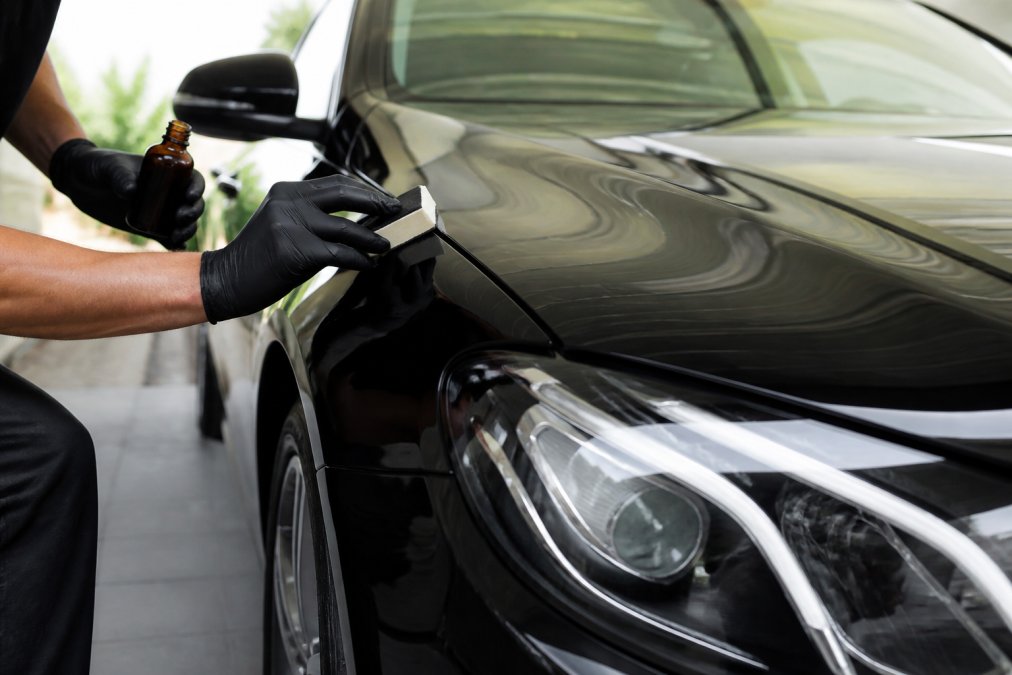
Ceramic coating is a liquid polymer applied to a vehicle’s clear coat that chemically bonds to the paint and forms a semi-permanent protective layer. This layer delivers hydrophobic properties, UV resistance, and easier cleaning, but it is not armor against rock chips or deep scratches. Understanding that distinction is the first step in deciding is ceramic coating worth the cost.
The Science of Protection: Hydrophobic Properties and UV Resistance
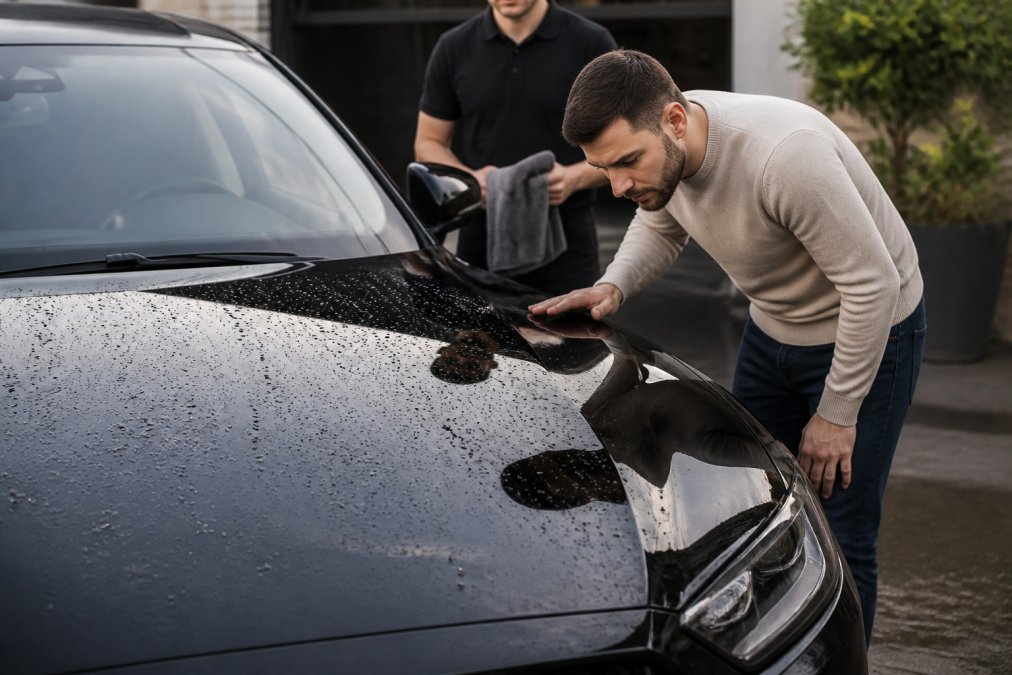
The coating’s silica-based chemistry lowers surface tension, so water beads and rolls off instead of pooling. That self-cleaning effect also resists chemical etching from bird droppings and road grime, while UV resistance slows paint oxidation and fading. What it does not do is stop physical damage: a shopping cart or gravel truck will still mar the surface, because ceramic coating is a sacrificial layer, not a shield.
Ceramic Coating vs Wax for Cars: Which Protection Wins?
Ceramic coating vs wax for cars comes down to durability, not chemistry. Wax is a natural or synthetic paste that typically lasts weeks to a few months, while a properly applied coating can hold for a year or more. Both add gloss enhancement and water beading, but only the coating resists chemical etching and UV exposure long enough to matter for a daily driver.
Durability, Gloss Enhancement, and Maintenance Wash Differences
Wax rewards frequent reapplication; coating rewards careful maintenance. A coated car needs a pH-neutral maintenance wash and occasional decontamination, not monthly waxing. Skip that routine and the coating clogs, water beading fades, and you’re back to square one. Wax, by contrast, forgives neglect because you simply reapply it.
Professional Ceramic Coating Cost: What Drives the Price
Professional ceramic coating cost is driven by labor, not the bottle. Most of the ticket is paint correction labor, surface preparation, and the coating tier you choose. A daily driver with light swirl marks needs less correction than a neglected finish with heavy paint oxidation, and that difference shows up in the quote.
Paint Correction Labor, Surface Preparation, and Coating Tiers
Surface preparation is the make-or-break step. Detailers decontaminate with a clay bar treatment, measure paint depth, and polish out swirl marks before any coating touches the surface. Coating tiers range from entry-level consumer formulas to multi-layer professional-grade systems, and each tier adds cost. The upfront investment is real, but it covers hours of skilled labor, not just product.
Ask any installer what paint correction they include before quoting a price. A quote that skips correction is a coating that will fail early.
How Long Does Ceramic Coating Last?
How long does ceramic coating last depends on four variables: the product tier, the quality of surface preparation, the curing environment, and how the car is washed afterward. A consumer-grade spray or wipe-on coating may hold for six months to a year (pubmed.ncbi.nlm.nih.gov). A pro-grade multi-layer system applied over corrected paint commonly lasts two to five years, and some manufacturer-backed systems advertise longer terms when the owner follows a registered maintenance schedule.
Curing Time and the First Two Weeks
Curing is not a single event. After application, the coating needs roughly 12 to 24 hours of dry, dust-free conditions to set, then continues to cross-link over the following week. During that window, avoid water, avoid washing, and avoid parking under trees or near sprinklers. A coating that gets wet too early can develop streaks, hazing, or uneven hydrophobic patches that never fully resolve.
Real-World Failure Scenarios (and What They Actually Look Like)
Most coating failures are not product failures, they are process failures. The patterns show up again and again:
- Coating over uncorrected paint. Swirl marks, water spots, and oxidation get sealed under the layer. The gloss looks flat, and the only fix is polishing the coating off and starting over.
- Improper decontamination. If iron fallout or tar is not removed before coating, the bond is compromised at those spots. The coating lifts in patches, usually within the first few months.
- Automatic tunnel washes with harsh detergents. Alkaline soaps and stiff brushes degrade the hydrophobic layer and micro-scratch the surface. Owners who use touchless washes and pH-neutral shampoo consistently get longer life.
- Bird droppings and bug splatter left for days. These are acidic and etch through the coating into the clear coat. The coating slows the damage but does not stop it if the contaminant sits.
- Hard water spotting. Sprinkler overspray and well water leave mineral deposits that bond to the coating. Left long enough, they require a water-spot remover or a light polish.
- Environmental exposure. Cars parked outside in intense sun, industrial fallout, or coastal salt air will see the coating degrade faster than a garage-kept car, even with identical maintenance.
What Voids Coverage
Most professional installers and coating manufacturers tie their durability claims to a maintenance requirement. Skipping the annual inspection, using a car wash that is not approved, or applying a wax or sealant on top of the coating can void the warranty. Read the terms before you buy, the number on the bottle is conditional, not guaranteed.
A coating that fails in month three is almost always a prep problem, not a product problem. Ask your installer what paint correction and decontamination steps are included before you compare prices.
Longevity by Product Tier
| Tier | Typical Real-World Life | Notes |
|---|---|---|
| Consumer spray/wipe-on | 6-12 months | Easy to apply, forgiving, short-lived |
| Consumer-grade bottle coating | 1-2 years | Requires careful prep and curing |
| Pro-grade single layer | 2-3 years | Installed over corrected paint |
| Pro-grade multi-layer system | 3-5+ years | Warranty tied to maintenance schedule |
manufacturer warranty terms and maintenance requirements
DIY vs Professional Application: Where the Value Splits
DIY kits cost far less than professional service, but the value split is labor and risk. DIY application suits enthusiasts willing to invest hours in surface preparation, paint correction, and careful curing. Professional application suits owners who want consistent results and warranty backing without the learning curve. The coating is only as good as the surface underneath it.
Applying a coating over a swirled or contaminated finish locks in every defect. You’ll pay twice: once for the coating, again for correction to fix it.
Ceramic Coating vs Paint Protection Film: Different Jobs, Different Costs
Ceramic coating vs paint protection film is not an either-or decision. PPF is a thick urethane film that absorbs rock chips and deep scratches; ceramic coating is a thin chemical layer that resists UV, chemicals, and grime. PPF protects against physical impact, coating protects against environmental damage. Many owners combine both: film on impact zones, coating everywhere else.
| Protection Type | Best Against | Typical Longevity | Relative Cost |
|---|---|---|---|
| Ceramic coating | UV, chemicals, grime | 1-5 years | Moderate |
| Paint protection film | Rock chips, scratches | 5-10 years | Higher |
| Wax | Minor grime, light UV | Weeks to months | Lowest |
Decision Matrix: Is Ceramic Coating Worth It for Your Vehicle?
Is ceramic coating worth the cost? The honest answer is that it depends on three inputs most guides ignore: how long you will keep the car, how the car is stored, and how much you drive. Use the framework below instead of a generic pros-and-cons list.
The Three Questions That Decide It
- Ownership horizon. If you plan to sell or trade within two years, the upfront cost rarely pays back in resale. If you are keeping the car five years or more, the math shifts in favor of coating.
- Storage. A garage-kept car sees far less UV, fallout, and bird dropping exposure. A car parked outside 24/7 will degrade any coating faster and needs the protection more.
- Annual mileage and driving environment. Highway commuters face rock chips (a coating will not stop those, that is PPF territory). City drivers face more brake dust, tree sap, and door-ding risk. Coastal and industrial areas add salt and chemical fallout.
Vehicle Age and Condition Matrix
| Vehicle Profile | Coating Worth It? | Why |
|---|---|---|
| New car (under 2 years), keeping 5+ years, garage-kept | Yes | Preserves factory paint, easiest upkeep, best resale story |
| New car, leasing, returning in 2-3 years | Usually no | You will not recoup the cost; lease terms rarely reward it |
| 3-7 year old car, good paint, daily driver | Yes, if paint is corrected first | Coating locks in the corrected finish and cuts wash time |
| 3-7 year old car, moderate swirls and chips | Maybe | Budget for paint correction first; the coating alone will not hide defects |
| 8+ year old car, faded or peeling clear coat | No | Fix the paint or skip the coating; a coating over failing clear coat will fail with it |
| Enthusiast or weekend car, garage-kept | Yes | Gloss enhancement and easier detailing are the real payoff |
| Work truck or off-road vehicle | Depends | PPF on impact zones matters more than coating on the whole body |
Resale Value: What Actually Happens
A coating does not add a fixed dollar amount to resale. What it does is make the paint easier to keep in top condition, which can help at trade-in or private sale time. Buyers pay for clean, defect-free paint, not for the coating receipt. If the coating is documented with a warranty card and maintenance records, it can be a talking point. Without documentation, it is invisible to the next owner.
Insurance and Warranty Implications
Most auto policies do not list aftermarket coatings as a separate covered item (naic.org). Some insurers will cover the coating under comprehensive coverage if it was damaged in a covered event, but many will not. Call your insurer before assuming you are protected, and ask specifically whether aftermarket paint protection is included or excluded.
On the factory side, a properly applied coating does not void your paint warranty, but improper prep, wet sanding, or aggressive polishing by an installer can. Keep records of who did the work and what products were used.
The strongest case for ceramic coating is a newer vehicle you plan to keep, stored with care, and washed correctly. The weakest case is an older car with uncorrected paint, a short ownership horizon, or a habit of tunnel washes.
Frequently Asked Questions
What is the downside of ceramic coating?
The main downsides are the upfront cost and the required surface preparation. A professional ceramic coating cost includes paint correction labor, which can push total pricing into the thousands. It also does not prevent rock chips or deep scratches, and without proper maintenance washes, the hydrophobic properties degrade faster. If you skip decontamination and clay bar treatment before application, the coating may fail prematurely. It is a sacrificial layer, not a force field.
How much does a 7-year ceramic coating cost?
Pricing for a 7-year professional ceramic coating depends on vehicle size, paint condition, and the number of layers applied. Most professional-grade packages require paint correction first, which adds labor hours. The best way to get an accurate number is to request a quote based on your specific vehicle and its current paint depth. Expect the upfront investment to reflect the coating tier and prep work required.
Can I wax over ceramic coating?
You can, but you should not need to. A ceramic coating already provides hydrophobic properties and UV resistance that wax cannot match. Topping it with wax can actually mask the self-cleaning effect and water beading. If you want extra gloss enhancement, use a coating-specific maintenance spray instead. Stick to a pH-neutral maintenance wash to preserve the coating’s surface tension and avoid clogging the layer with wax residue.
Does ceramic coating prevent rock chips?
No. Ceramic coating adds chemical resistance and makes cleaning easier, but it does not absorb impact. Rock chips will still penetrate the clear coat and reach the paint. If chip protection is your priority, paint protection film (PPF) is the better choice because it is a thick, self-healing urethane layer. Many owners combine both: PPF on high-impact areas and ceramic coating on top for gloss and easy washing.
How long does professional ceramic coating actually last?
How long does ceramic coating last depends on the product tier, application quality, and how you maintain it. Entry-level coatings may last one to two years, while professional-grade multi-layer systems can last five years or more with proper care. Real-world durability drops if the car is parked outside, washed with harsh detergents, or exposed to road grime without regular decontamination. A yearly inspection helps you catch degradation early.
Ceramic coating rewards owners who plan to keep their vehicle and maintain it properly. Clean Image 101 brings professional-grade mobile detailing to your location, with expert bug removal, clay bar treatments, and paint restoration tailored to sports cars, SUVs, and minivans alike. Skip the drive and the guesswork. Book professional car care today with Clean Image 101 and protect your paint the right way.
Comments are closed.