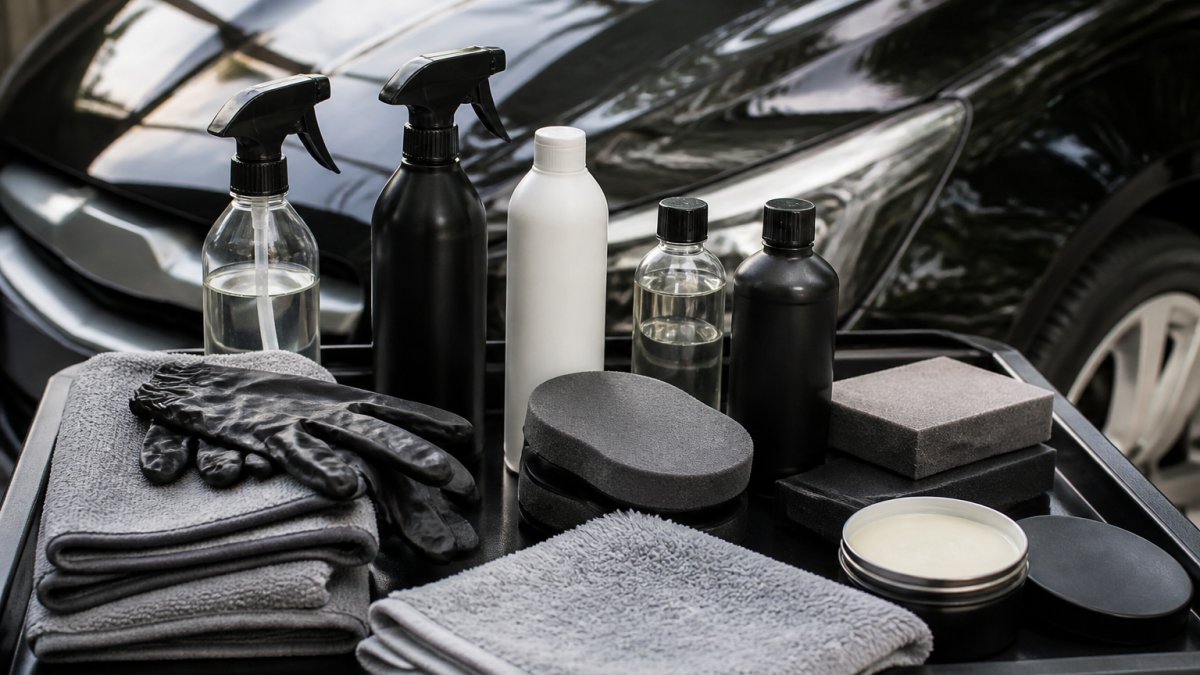
Top 10 Car Paint Protection Tips for Gloss That Lasts
Table of Contents
- Why Car Paint Protection Matters More Than You Think
- 1. Start With a Proper Hand Wash
- 2. Decontaminate With a Clay Bar Treatment
- 3. Choose the Right Protection: Ceramic Coating vs Wax for Cars
- 4. How to Prevent Car Paint Oxidation
- 5. Park Smart and Shield From UV and Debris
- 6. Quick Fixes for Scratches, Swirl Marks, and Bug Splatter
- 7. Know When to Book Professional Paint Restoration
- Paint Correction vs Repainting: What’s the Difference?
- How Long Does Paint Protection Last?
- Does Paint Protection Affect Resale Value?
- Frequently Asked Questions
Last Updated: September 27, 2026
Why Car Paint Protection Matters More Than You Think
Car paint protection shields your clear coat from UV rays, contaminants, and physical damage to preserve appearance and resale value. Proper protection can keep a finish glossy for years, while neglect leads to oxidation, fading, and costly repainting.
The cheapest paint protection is the maintenance you do consistently. A car washed and sealed regularly outlasts one that only gets attention when the damage is already visible.
1. Start With a Proper Hand Wash
A proper hand wash removes dirt without grinding it into the clear coat. Automatic brush washes are the fastest way to install swirl marks.
- Rinse the car first to lift loose dirt
- Wash in straight lines, not circles, to avoid visible marring
- Dry with a clean microfiber towel or forced air
2. Decontaminate With a Clay Bar Treatment
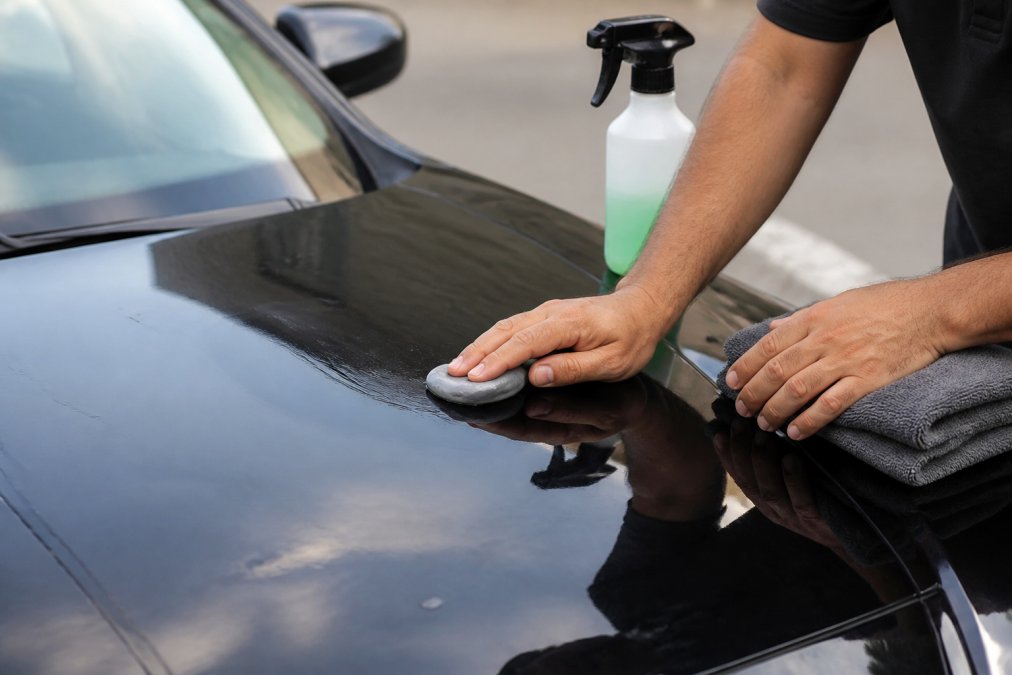
A clay bar treatment pulls out embedded contaminants that washing alone can’t remove. Run your fingers across the paint after a wash. If it feels gritty rather than smooth, it’s time to clay.
How Often Should You Clay Bar Your Car?
A clay bar treatment is usually needed once or twice a year for a daily driver; cars parked outdoors or near industrial areas may need it more often.
3. Choose the Right Protection: Ceramic Coating vs Wax for Cars
Ceramic coating vs wax for cars comes down to durability versus simplicity. Ceramic coatings bond chemically to paint and last far longer, while wax is easier to apply but needs frequent reapplication.
| Option | Durability | Application | Best For |
|---|---|---|---|
| Carnauba wax | Weeks | Easy, by hand | Enthusiasts who enjoy routine |
| Synthetic sealant | Months | Moderate | Daily drivers wanting balance |
| Ceramic coating | Years | Demanding prep | Long-term protection |
4. How to Prevent Car Paint Oxidation
To prevent car paint oxidation, block the two things that cause it: UV exposure and airborne contaminants sitting on the surface. Oxidation shows up as a chalky, dull film that eventually eats into the clear coat.
- Park in shade or a garage whenever possible
- Apply a protective layer before summer, not after
- Wash off bird droppings and bug splatter quickly
5. Park Smart and Shield From UV and Debris
Where you park does more for your paint than most products. Shade reduces UV load, and distance from trees cuts sap, pollen, and bird droppings.
6. Quick Fixes for Scratches, Swirl Marks, and Bug Splatter
Light scratches and swirl marks often sit in the clear coat and can be polished out. Bug splatter is acidic, so remove it fast before it etches.
Rubbing dried bug splatter with a dry cloth grinds the remains into the clear coat and leaves permanent etching. Always soften it with a dedicated remover first.
7. Know When to Book Professional Paint Restoration
Book professional paint restoration when damage goes beyond surface level. Deep scratches that catch a fingernail, oxidation polishing won’t lift, and failing clear coat all call for a trained hand. If the defect sits in the clear coat, it can usually be corrected; if it has reached the base coat or primer, correction alone won’t fix it.
What Paint Correction Actually Does
Paint correction is the mechanical removal of a thin layer of clear coat to level the surface and eliminate defects. It is not a coating, wax, or filler. An abrasive polish cuts the clear coat to the depth of the scratch or swirl, leaving a flat, reflective surface.
1-Stage vs. 2-Stage vs. 3-Stage Correction
Detailers describe correction in stages, and the stage count tells you how much clear coat is being removed:
- 1-stage (single-stage polish): A light cut that removes fine swirl marks and boosts gloss. Best for well-kept paint with minor marring.
- 2-stage (cut and polish): A heavier compound pass to remove deeper scratches, followed by a finer polish to restore clarity. The most common choice for daily drivers with moderate defects.
- 3-stage (cut, polish, and jeweling): Adds a final ultra-fine pass to maximize gloss on dark or show-quality paint. Diminishing returns for most daily drivers.
Paint Thickness Safety Limits
Your clear coat is measured in microns, and a typical factory clear coat runs roughly 40 to 60 microns thick, often thinner on edges, pillars, and previously polished panels. A paint depth gauge reads total film build so a detailer knows how much material is safe to remove.
Every polishing pass removes clear coat permanently. Once it’s gone, it doesn’t come back. A car that has been aggressively polished multiple times has less margin for future correction, so always ask how much material a detailer plans to remove.
How to Tell If Your Car Needs Correction
Use this quick diagnostic before booking:
Book professional car care today →
- Light correction: Faint swirl marks visible only under direct sun or a swirl-finder light, with otherwise glossy paint.
- Medium correction: Noticeable swirls, light scratches, and water spot etching visible in normal light.
- Heavy correction: Oxidation, deep scratches, or hazy, chalky panels that dull the color.
Ask any detailer whether they measure paint thickness before polishing and what stage of correction they recommend. If they don’t measure, they’re guessing, and guessing on thin paint means repainting.
This is where mobile detailing earns its place. Clean Image 101 brings clay bar treatments, bug removal, and paint restoration to your driveway, so your car gets professional-grade care without a shop trip. Our team works across sports cars, SUVs, and minivans, adjusting to each finish.
Paint Correction vs Repainting: What’s the Difference?
Paint correction restores your existing clear coat by removing defects; repainting replaces the finish entirely.
How Long Does Paint Protection Last?
Protection longevity depends on the product and how you maintain it. Wax lasts weeks, sealants months, and professional ceramic coatings years.
| Protection Type | Typical Longevity | Maintenance |
|---|---|---|
| Carnauba wax | 4-8 weeks | Reapply monthly |
| Spray sealant | 2-4 months | Top up after washes |
| Synthetic sealant | 6-12 months | Reapply twice a year |
| Ceramic coating | 2-5 years | Gentle washes, annual inspection |
Does Paint Protection Affect Resale Value?
Paint is the first thing a buyer inspects and the hardest thing to fake. A swirled, faded, or oxidized finish reads as neglect, and buyers price that perception into their offer before opening the hood. The real question isn’t whether protection looks good, it’s whether it pays for itself at sale.
Why Buyers Discount Bad Paint
A buyer looking at a dull, scratched finish assumes the owner was equally careless with maintenance, oil changes, and interior care. That assumption gives them leverage: visible paint defects invite lowball offers because the buyer can point to a concrete, expensive problem, repainting.
The Cost-of-Correction Math
Think about it as a comparison, not a guarantee:
- A full repaint is a major expense and can hurt value on a car with otherwise original paint, since buyers and inspectors may suspect hidden body damage.
- Professional paint correction restores the original finish at a fraction of a repaint’s cost and preserves factory paint, which most buyers and appraisers prefer.
- A ceramic coating or quality sealant protects that corrected finish so the investment holds through the sale.
A common pattern is having correction and protection done shortly before listing. The finish photographs better, shows better at inspection, and removes the buyer’s easiest negotiating point.
What Actually Moves the Needle
Not all protection work carries equal weight at resale. Ranked by impact:
- Intact, uncorrected factory paint, the strongest position; buyers pay for originality.
- Professionally corrected and coated paint, strong, especially on enthusiast and luxury vehicles where finish quality is scrutinized.
- Well-maintained paint with minor wear, neutral; expected on a used car.
- Faded, oxidized, or heavily swirled paint, a discount trigger, and the single easiest reason for a buyer to walk or lowball.
Managing Expectations
The strongest resale position is original paint that has been protected and maintained, not repainted. Correction and coating preserve that originality; a respray erases it.
For sellers, correct and protect before listing, keep records of the work, and let the finish do the arguing at inspection.
Frequently Asked Questions
What is the best way to protect car paint?
The most effective car paint protection combines regular hand washing, clay bar decontamination, and a durable sealant or coating. For daily drivers, a polymer sealant can last up to 12 months. For maximum durability, a professional ceramic coating bonds permanently to the paint and resists scratches, chemicals, and UV damage. Pair any protection layer with smart parking and quick spot cleaning to extend results.
Is ceramic coating better than wax for car paint protection?
Ceramic coatings generally outperform wax for longevity and chemical resistance. A quality ceramic coating can last years and provides a harder, more hydrophobic surface that repels water and contaminants. Wax typically lasts a few weeks to a few months and requires more frequent reapplication. However, wax is cheaper and easier to apply at home. For busy owners who want long-term protection, ceramic coating vs wax for cars usually favors ceramic, especially when professionally installed.
How often should I wax my car to protect the paint?
Traditional carnauba wax typically lasts three to six weeks, so reapply every month to maintain protection. Synthetic sealants can last up to 12 months, reducing the frequency. If you drive in harsh sun or park outside, wax breaks down faster. A simple test: if water stops beading on the surface, it is time to reapply. Ceramic coatings eliminate this cycle almost entirely.
Does a clay bar treatment help protect car paint?
Yes. A clay bar removes embedded contaminants like industrial fallout, tree sap, and brake dust that washing alone cannot lift. Left on the surface, these particles cause oxidation and rough texture. Claying prepares the paint so sealants and coatings bond properly. For clay bar treatment frequency, most cars need it once or twice a year. Vehicles parked near construction or ocean air may need it every three to four months. Always follow with a protective layer.
How can I prevent paint oxidation on my vehicle?
Preventing car paint oxidation starts with UV protection and regular cleaning. Park in a garage or use a car cover when possible. Apply a ceramic coating or sealant that includes UV inhibitors, and reapply according to the product schedule. Wash off bird droppings, bug splatter, and salt spray quickly because they accelerate clear coat breakdown. If oxidation has already dulled the finish, a professional paint restoration can remove the damaged layer and restore gloss before it reaches the base coat.
Comments are closed.