Welcome to Clean Image Mobile, we are a fully mobile car detailing service that brings professional auto care directly to you.

Mobile Car Detailing: Convenience Without Quality Compromise

Table of Contents

Last Updated: October 6, 2026

What Mobile Car Detailing Actually Is

Mobile car detailing is professional auto cleaning and paint restoration service that comes directly to your location. Instead of driving to a facility, skilled detailers arrive at your home or office with specialized equipment and solutions. They handle everything from interior vacuuming to exterior paint protection in one visit.

This differs fundamentally from a standard car wash. A car wash focuses on removing surface dirt and grime quickly. Mobile car detailing goes deeper. It includes clay bar treatments to remove embedded contaminants, bug and tar removal, carpet shampooing, seat cleaning, deodorizing, and paint restoration.

At Clean Image 101, we understand that busy professionals need quality results without disrupting their schedules. Our mobile service brings comprehensive detailing directly to your doorstep, handling diverse vehicle types from sports cars to minivans with the same meticulous attention.

The convenience factor matters, but it’s not the only reason mobile detailing has gained traction. Many vehicle owners discover that the quality of work often exceeds what they’d find at traditional facilities. Detailers working on-site can take their time, adjust their approach for your specific vehicle, and address concerns you mention in real time.

Mobile Car Detailing vs Car Wash: Key Differences

The distinction between mobile car detailing and a standard car wash comes down to depth, equipment, and time. A car wash typically takes 10-15 minutes and handles surface-level cleaning. Mobile detailing takes several hours and addresses problems a car wash can’t touch.

Here’s what sets them apart:

Aspect Car Wash Mobile Detailing
Time Required 10-15 minutes 2-4 hours
Interior Cleaning Basic vacuuming only Deep vacuuming, shampooing, disinfection
Exterior Focus Surface dirt removal Paint restoration, swirl removal, protection
Contaminant Removal Soap and water Clay bar, chemical treatments, steam cleaning
Paint Protection None Ceramic coating, wax application options
Convenience You drive there Service comes to you
Vehicle Condition Impact Temporary improvement Long-term protection and preservation

A car wash gets your vehicle clean for the week. Mobile detailing addresses accumulated damage, protects your paintwork from future deterioration, and enhances your vehicle’s appearance for months. The difference becomes obvious when you compare how a freshly detailed car looks next to one that’s only had regular washes.

Many busy professionals in your situation initially think a car wash is sufficient. After one mobile detailing session, they realize the investment in deeper service pays dividends in vehicle longevity and appearance.

How Long Does Car Detailing Take

Professional mobile car detailing typically takes 2-4 hours depending on your vehicle’s size and condition. A sedan might need 2-3 hours. An SUV or truck usually requires 3-4 hours. Heavily soiled vehicles or those needing specialized treatments like paint restoration can extend into the 4-5 hour range.

The duration breaks down roughly as follows: exterior washing and drying takes 45-60 minutes, interior vacuuming and shampooing takes 60-90 minutes, and exterior detailing work like clay bar treatment, swirl removal, and protection application takes 60-120 minutes depending on what’s included in your package.

This timeframe is why scheduling matters. Many professionals book mobile detailing during work hours and simply have the service happen in their driveway or parking lot. You don’t need to be present the entire time, though many customers appreciate checking in on progress midway through.

The investment in time delivers measurable results. A quick car wash might take 15 minutes but lasts a week. A mobile detailing session takes several hours but maintains your vehicle’s appearance and condition for months. When you calculate the time savings from not driving to a facility, the actual time investment becomes even more favorable.

Why Mobile Detailing Delivers Quality Without the Hassle

The real advantage of mobile car detailing isn’t just convenience, it’s that quality and convenience don’t have to be mutually exclusive. Traditional thinking suggests you trade one for the other. Mobile detailing breaks that assumption.
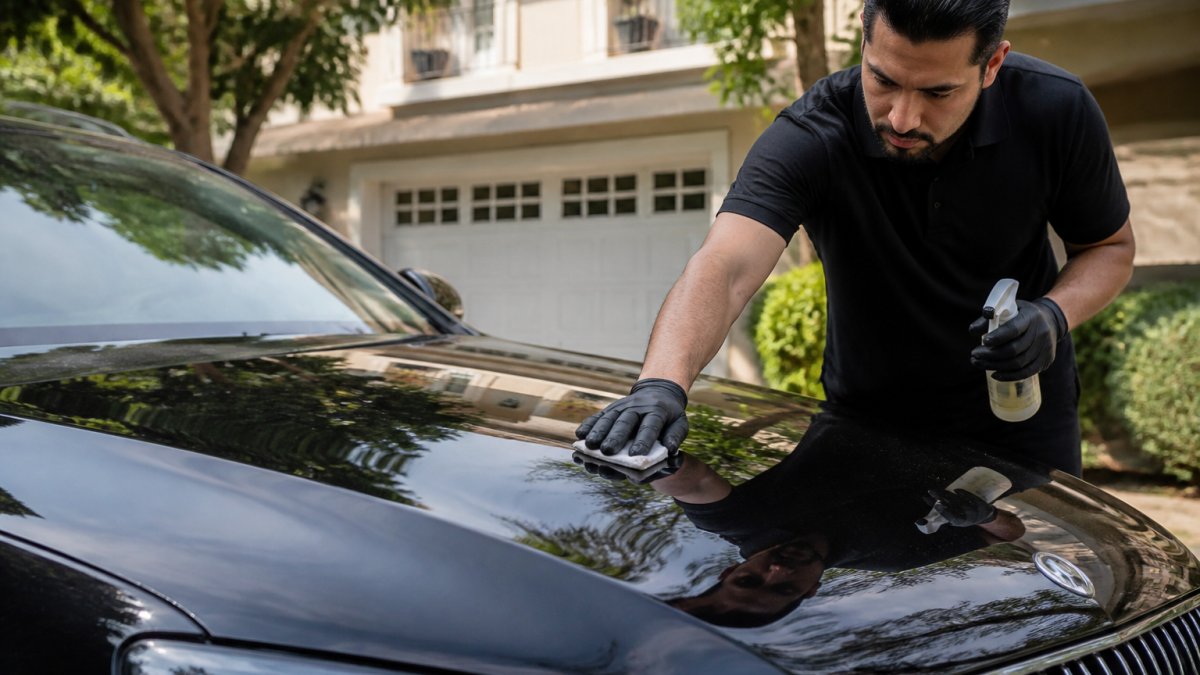
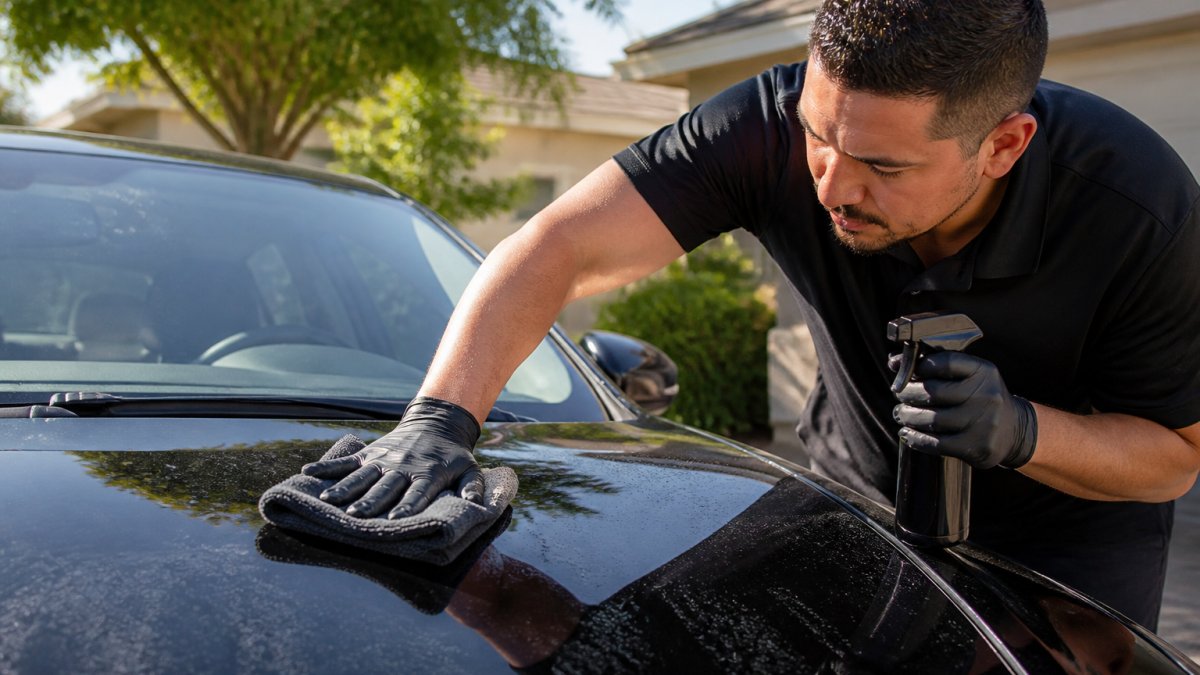
Step-by-step process of professional mobile car detailing using a clay bar treatment on a luxury vehicle hood

When a detailer works at your location, they control the entire environment. They bring their own water supply, avoiding hard water spots that plague some facilities. They work at their own pace rather than rushing through jobs to meet facility schedules.

This flexibility matters enormously. A common mistake is assuming all vehicles need identical treatment. They don’t. A high-end sports car benefits from different products and techniques than a family minivan. Mobile detailers can customize their work because they’re not bound by facility protocols designed for volume.

The quality advantage extends to accountability. When someone works on your property, you can observe their technique, discuss concerns immediately, and verify their work before they leave. You’re not picking up your vehicle hours later and discovering problems.

Clean Image 101’s approach emphasizes this quality-without-compromise philosophy. Our skilled professionals bring years of industry experience to every job, whether it’s bug removal from a sports car or deep cleaning a family vehicle.

Book professional car care today →

Mobile Car Detailing Cost: What You’re Paying For

Mobile detailing pricing is where most guides get vague, so here is the honest structure. You are paying for four things bundled into one invoice: labor hours, water and power logistics (a mobile rig hauls its own tank, generator, or both), consumables (soap, clay, pads, sealant, coating), and the travel window the detailer blocks out for your address.

What actually moves your quote up or down:

Pro Tip
Ask for a written quote that separates labor from products and lists every add-on. A detailer who will not itemize is usually padding the base price to absorb surprises.

How this compares to a car wash: a tunnel wash is a recurring weekly expense that never addresses paint defects or interior buildup. A detail every few months is a maintenance expense that protects resale value. Run the math over a year, most owners who switch find the total spend is closer than they expected, and the vehicle condition at the end of the year is not comparable.

Key Takeaway
Mobile detailing costs more per visit than a car wash because it is a different service category, not a premium version of the same one. Budget by package tier and condition, not by the lowest advertised number.

Car Detailing Checklist: What Professional Service Covers

A comprehensive mobile car detailing service addresses both interior and exterior needs systematically. Understanding what’s included helps you evaluate whether a service meets your vehicle’s requirements.

Exterior detailing typically includes:

Interior detailing commonly covers:

Professional detailers verify their work meets quality standards before completing service. This means inspecting paintwork under different lighting angles, checking that water beads properly on treated surfaces, and confirming that interior surfaces are thoroughly clean and protected.

Different packages combine these services differently. A basic package might focus on exterior washing and protection. A comprehensive package includes deep interior cleaning plus all exterior treatments. Your vehicle’s condition and your priorities determine which combination makes sense.

Is Mobile Detailing Right for Your Vehicle and Lifestyle

Mobile detailing is not universally the right call, and the deciding factors are practical, not aspirational. Here is how to tell which side of the line you are on.

Where mobile service clearly wins:

Where mobile service has real limits:

How often each service actually makes sense:

Watch Out
If you park on a public street, live in a building that prohibits on-site vehicle work, or face months of freezing temperatures, confirm logistics with the detailer before booking. A mobile appointment that cannot happen is worse than a scheduled shop visit.

A simple test: if your vehicle is worth protecting, your schedule is tight, and you have a workable location, mobile detailing is the stronger choice. If your vehicle is a high-mileage commuter you plan to drive into the ground, or your parking situation makes on-site work impractical, a quality hand-wash facility is the more sensible routine.

Key Takeaway
Mobile detailing fits owners who value paint condition and time more than the lowest possible per-wash price, and who have a location where a detailer can actually work. Everyone else should match the service to the constraint, not the marketing.

Frequently Asked Questions

What is the difference between mobile car detailing and a regular car wash?

A regular car wash removes surface dirt and water spots in 5-10 minutes using automated brushes or spray systems. Mobile car detailing is a comprehensive service that includes interior vacuuming, carpet shampooing, seat cleaning, exterior washing, clay bar treatment, swirl removal, and paint protection, typically taking 2-4 hours. Detailing addresses deep cleaning, grime removal, and vehicle condition preservation, while a car wash handles basic surface cleaning.

How long does a mobile car detailing appointment typically take?

Standard mobile detailing appointments range from 2 to 4 hours, depending on your vehicle’s size, current condition, and the service package selected. A basic exterior and interior detail usually takes 2-3 hours, while comprehensive packages including paint restoration, ceramic coating, or specialized treatments like headlight restoration may extend to 4 hours or longer. Your detailer will provide a time estimate during booking.

Is mobile car detailing worth the cost compared to traditional car washes?

Mobile detailing costs more upfront than a car wash, but delivers significantly greater value for vehicle protection and appearance. Detailing preserves your vehicle’s lifespan by removing contaminants, preventing paint damage, and maintaining interior condition. For luxury vehicles, sports cars, or vehicles you rely on professionally, the investment protects resale value and eliminates travel time, making it a cost-effective alternative to multiple car washes and trips to detail shops.

What should a professional car detailing checklist include?

A comprehensive detailing checklist covers exterior washing, bug and tar removal, clay bar treatment, swirl removal, paint protection application, window cleaning, interior vacuuming, carpet and seat shampooing, deodorizing, disinfection, and trim restoration. Premium packages may include ceramic coating, headlight restoration, or steam cleaning. Request your detailer’s checklist before booking to confirm they address your vehicle’s specific needs and condition.
Benefits of Steam Cleaning Car Interiors

Table of Contents

Last Updated: October 4, 2026

How Steam Cleaning Works on Car Interiors

Steam cleaning uses high-temperature moisture to break down dirt, grime, and contaminants embedded in your car’s interior surfaces. The heat softens stubborn buildup while the moisture helps lift particles away without requiring harsh chemicals or abrasive scrubbing. When you apply steam cleaning to car interiors, the combination of pressure and temperature works together to penetrate fabric weaves, leather pores, and hard-to-reach crevices that traditional vacuuming or wiping cannot address.

Steam penetrates materials more effectively than liquid water because heat energy dissolves oils and breaks molecular bonds holding dirt in place. As steam contacts a surface, it transfers thermal energy that loosens embedded contaminants, which moisture then carries away through suction or drainage.

Different car interiors require different approaches. A sports car with delicate leather demands gentler steam application than a minivan’s fabric seats. Matching steam temperature and pressure to the specific material separates professional results from DIY attempts that risk damage.

Pro Tip
Steam works best on materials that can tolerate moisture. Before steaming any surface, check whether the manufacturer recommends water-based cleaning. Some vintage interiors or specialty materials may require alternative approaches.

Removing Embedded Dirt and Grime from Every Surface

Embedded dirt is one of the toughest cleaning challenges in car interiors. Over months of daily use, dust, food particles, pet hair, and road grime work into fabric fibers and accumulate in areas vacuums miss. Traditional cleaning methods rely on surface-level agitation rather than subsurface penetration.

Steam cleaning forces heat and moisture into the material’s structure, softening bonds between dirt and fibers while lifting contaminants. For stubborn, baked-on grime in high-traffic areas like driver’s seats and floor mats, steam provides deep-cleaning action that makes a visible difference.

Effectiveness depends on contact time. Professional detailers typically allow 3-5 seconds of contact on heavily soiled areas, letting heat work rather than relying on aggressive pressure that could damage fibers.

Hard surfaces like plastic trim, dashboard areas, and center consoles benefit from steam cleaning. Grime accumulates in seams and around buttons where traditional tools struggle to reach. Steam’s ability to access crevices restores trim appearance without residue or water spots.

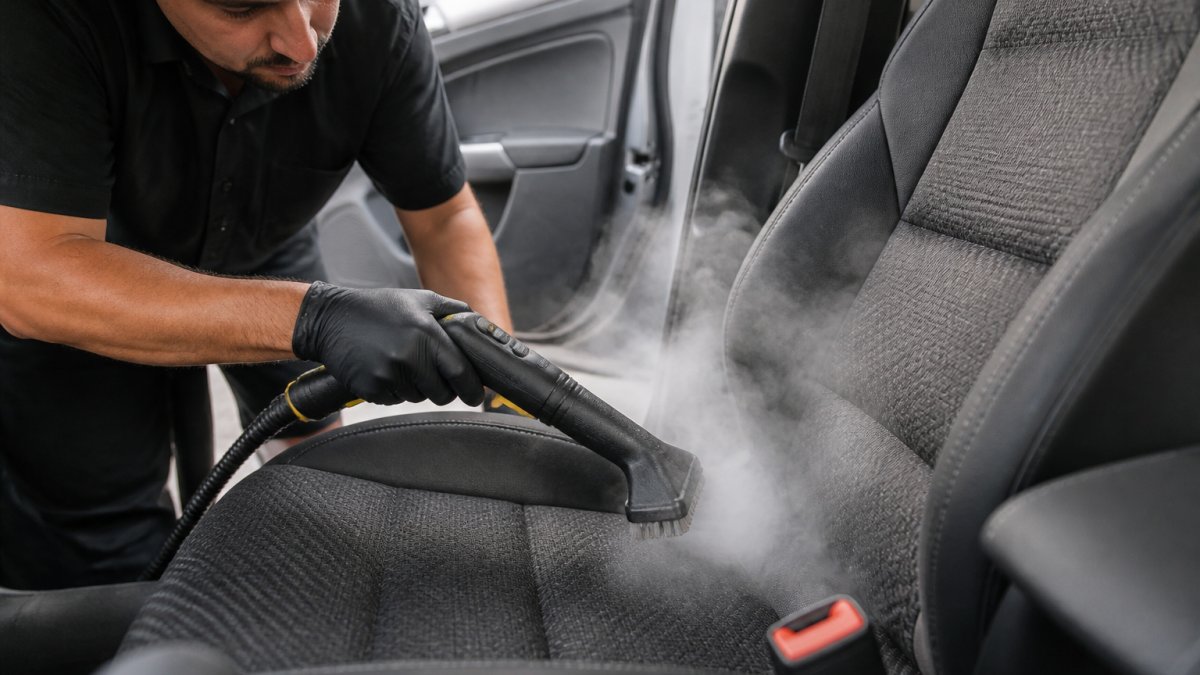
Professional detailer using handheld steam cleaner on car interior upholstery with visible steam rising from fabric, close-up showing texture of seat material being cleaned

High-temperature vapor effectively sanitizes deep within the fibers, which is an essential step when removing car odors that have settled into the upholstery over time.

Steam Cleaning Car Seats: Upholstery and Beyond

Car seats take the most abuse of any interior surface, accumulating sweat, spills, dust, and visible wear. Steam cleaning car seats restores appearance by lifting embedded dirt from deep within the fabric weave, addressing stains that surface cleaning leaves behind.

Modern fabric seats use synthetic blends designed to resist staining, making them responsive to steam cleaning. Heat penetrates fibers, loosens trapped particles, and moisture carries them away. Most fabric seats tolerate standard steam pressure, though checking the maintenance manual remains important.

Mesh fabric seats, common in sport-oriented vehicles, have open weaves that allow dirt to settle deeper but provide good steam access. Mesh seats often show dramatic improvement because dirt removal is visible against lighter fabric.

Velour and suede-like upholstery requires caution. Professional steam cleaning uses lower pressure and shorter contact times, allowing heat to work without oversaturating. DIY attempts often leave velour looking patchy or matted.

Watch Out
Oversaturating fabric seats with steam can lead to mold growth if the interior doesn’t dry quickly. Always ensure proper ventilation after steam cleaning, and consider running the vehicle’s climate control on a warm setting to speed drying. Moisture trapped in seat foam creates conditions for mold and mildew.

Steam Cleaning Leather Car Seats: Material-Specific Safety

Leather requires a fundamentally different approach than fabric. While steam cleaning car interiors works well for most materials, leather demands careful attention to moisture levels, temperature, and pressure to prevent stiffness, discoloration, or cracking.

Professional leather steam cleaning uses lower temperatures (200-230°F vs. 250°F+ for upholstery) and reduced pressure, using a gentler mist to soften oils and grime while reducing damage risk.

Leather should feel slightly damp after steam cleaning, not wet. Proper drying is critical, leather seats should air dry in well-ventilated space with mild heat. Leaving leather damp overnight risks mold growth and degradation.

Conditioned leather responds better to steam cleaning than untreated leather. The sealant prevents excessive moisture absorption while allowing steam to lift dirt. Consider conditioning after steam cleaning to restore protection.

Full-grain leather handles steam better than split or bonded leather. Professional detailers can assess material grade and adjust approach accordingly, which is why professional steam cleaning often outperforms DIY attempts.

How to Steam Clean a Car Interior Safely and Effectively

A practical workflow ensures you get professional results without risking damage to your vehicle’s interior. The process begins with preparation: remove loose items from the car, vacuum all surfaces thoroughly to remove dry dirt, and crack windows slightly to allow moisture to escape during and after cleaning.

Start with hard surfaces before moving to upholstery. Clean the dashboard, steering wheel, door panels, and center console first. This prevents dirty water from dripping onto freshly cleaned seats. Use short bursts of steam rather than continuous application, allowing 2-3 seconds of contact on each area. Move systematically across the surface rather than lingering in one spot.

For upholstered seats, work section by section. Begin with the driver’s seat, then move to passenger seats, then rear seating. Apply steam in overlapping passes, working from top to bottom so gravity helps moisture flow downward. After steaming each section, use a clean microfiber cloth to absorb excess moisture.

Carpet and floor mats require slightly more aggressive steam application since they’re designed to handle moisture. However, avoid oversaturating. Apply steam, then use a wet-dry vacuum to extract moisture if available. This dramatically speeds drying time.

Book professional car care today →

Pay special attention to crevices and seams where moisture can hide. Use a narrow steam nozzle attachment to reach between seats, along door panels, and around the center console. These areas trap moisture easily, so thorough extraction or extended drying time is important.

Allow the interior to dry completely before closing all windows and doors. Incomplete drying creates an environment where mold and mildew thrive. On warm, dry days, this might take 2-3 hours. On humid days, plan for longer. Running the vehicle’s air conditioning on recirculate mode helps pull moisture from the interior.

Key Takeaway
The difference between professional results and mediocre ones comes down to drying. Rushing this step undermines all the cleaning work you’ve done and creates conditions for odor and mold problems.

Steam Cleaning Car Interior Disadvantages and Limitations

Steam cleaning delivers impressive results for many interior cleaning challenges, but it’s not universally appropriate for every situation. Understanding its limitations helps you make informed decisions about when steam is the right choice and when alternative methods work better.

Moisture sensitivity represents the primary limitation. Some interior components simply cannot tolerate the moisture that steam cleaning introduces. Electrical systems, audio equipment, and certain electronic controls risk damage if exposed to excessive steam. Professional detailers protect these areas, but DIY attempts sometimes result in malfunctions. Vintage vehicles with older electrical systems are particularly vulnerable.

Drying time can be impractical for busy professionals. A thorough steam cleaning followed by proper drying takes 3-6 hours depending on humidity and ventilation. If you need your vehicle ready within an hour, steam cleaning isn’t realistic. Dry cleaning methods work faster for time-constrained situations, though they may not address deeply embedded dirt as effectively.

Some interior materials genuinely shouldn’t be steam cleaned. Certain leather finishes, specialty fabrics, and delicate trim pieces can be damaged by heat and moisture. Alcantara, the premium suede-like material used in luxury sports cars, requires specialized cleaning approaches that avoid steam. Checking your vehicle’s maintenance documentation before attempting steam cleaning prevents costly damage.

Water spots represent another practical concern. Hard water used in steam cleaning can leave mineral deposits on surfaces as it dries. This is particularly visible on dark leather or plastic trim.

Steam cleaning also works poorly on certain types of stains. Oil-based stains and some set-in discoloration may require chemical treatment rather than heat and moisture alone. Combining steam cleaning with targeted stain treatment often works better than steam alone for stubborn marks.

Odor Removal, Sanitizing, and Long-Term Results

One of the most appealing benefits of steam cleaning car interiors is its ability to reduce or eliminate odors. Whether dealing with smoke smell, pet odor, or general mustiness, steam addresses the source rather than just masking the problem.

Smoke odor presents a particularly challenging case. Smoke particles embed themselves in fabric, leather, and even plastic components. Traditional air fresheners only mask the smell temporarily. Steam cleaning lifts these particles from materials and allows them to be removed, providing longer-lasting odor reduction.

The sanitizing capability of steam is often overstated in marketing materials. While heat does kill some bacteria and mold spores, steam cleaning isn’t a medical-grade sterilization process. The temperature and contact time are insufficient to eliminate all pathogens. However, steam does reduce microbial populations and removes the organic material that bacteria feed on, creating a cleaner environment.

Long-term results depend heavily on post-cleaning maintenance. A freshly steam-cleaned interior stays cleaner longer than one subjected to ongoing dirt accumulation. Regular vacuuming, prompt spill cleanup, and protection treatments (like fabric guards or leather conditioners) extend the benefits of steam cleaning. Without maintenance, dirt gradually reaccumulates, and odors can return within weeks or months.

Professional steam cleaning provides more dramatic and longer-lasting results than DIY attempts because professionals use equipment with better extraction capability, apply appropriate techniques for different materials, and often follow up with protective treatments. At Clean Image 101, we combine steam cleaning with protective applications that help your interior stay cleaner longer, extending the time between professional cleanings.

The psychological benefit shouldn’t be overlooked either. A freshly steam-cleaned interior simply feels cleaner and smells better, enhancing your driving experience. For professionals who spend hours daily in their vehicles, this improvement in the driving environment has real value.

Best For
Busy professionals who want thorough interior cleaning without traveling to a detail shop. Mobile steam cleaning services bring professional equipment directly to your location, eliminating travel time while delivering results that DIY methods struggle to match.

Conclusion


Steam cleaning car interiors represents a powerful approach to deep cleaning that addresses embedded dirt, odors, and general grime that standard methods miss. The combination of heat and moisture penetrates materials effectively, restores appearance, and extends the life of your vehicle’s interior. However, success depends on understanding material-specific requirements, proper technique, and thorough drying.

If you’re considering steam cleaning for your vehicle, professional service often delivers better results than DIY attempts. Our comprehensive interior cleaning services keep your car looking pristine without disrupting your day. Book professional car care today and discover why busy professionals trust Clean Image 101 for meticulous vehicle maintenance.

Frequently Asked Questions

Is steam cleaning car interiors worth it?

Steam cleaning is worth it if you need deep cleaning of upholstery, carpets, and crevices that standard vacuuming misses. High-temperature steam loosens embedded dirt, oils, and grime without harsh chemicals, making it effective for stubborn stains and odor removal. However, results depend on your vehicle’s condition, the materials inside, and drying time. For luxury or delicate interiors, professional application matters more than the method itself.

Can steam cleaning remove stains from car seats?

Steam can soften and loosen stubborn stains, especially oils and organic matter, but removal success depends on stain type and how long it has set. Fresh stains respond better than baked-on ones. For fabric seats, steam works well; for leather, gentler application is critical to avoid moisture damage. Combination approaches, steam followed by extraction or spot treatment, often work better than steam alone for heavy staining.

Does steam cleaning kill germs in a car interior?

High-temperature steam (above 200°F) can reduce bacteria and mold on contact surfaces, but ‘sanitizing’ claims require sustained heat exposure and proper contact time. Steam is effective at reducing odor-causing bacteria and mold spores in carpets and upholstery, but it is not a medical-grade disinfection method. Professional-grade equipment and technique matter; DIY steamers may not reach temperatures or dwell times needed for meaningful sanitization.

How long does a car interior take to dry after steam cleaning?

Drying time typically ranges from 2 to 8 hours depending on humidity, ventilation, and how much moisture was introduced. Fabric seats and carpets dry faster with air circulation and open windows; leather and hard surfaces dry quicker. Excess moisture left behind increases mold and mildew risk, so proper extraction and airflow are critical. Professional services use extraction equipment to minimize drying time; DIY methods often leave interiors damp longer.

Car Upholstery Cleaning Cost Estimate Guide

Table of Contents

Last Updated: October 3, 2026

What Factors Influence Upholstery Cleaning Prices

Understanding what drives the cost of professional interior detailing starts with recognizing that upholstery cleaning cost depends on multiple interconnected factors. Vehicle owners often assume pricing is straightforward, but the reality is far more nuanced. The actual expense hinges on how large your vehicle is, what materials make up the interior, how badly stains have set in, and whether you’re looking for a quick refresh or a deep clean that removes embedded dirt and odors.

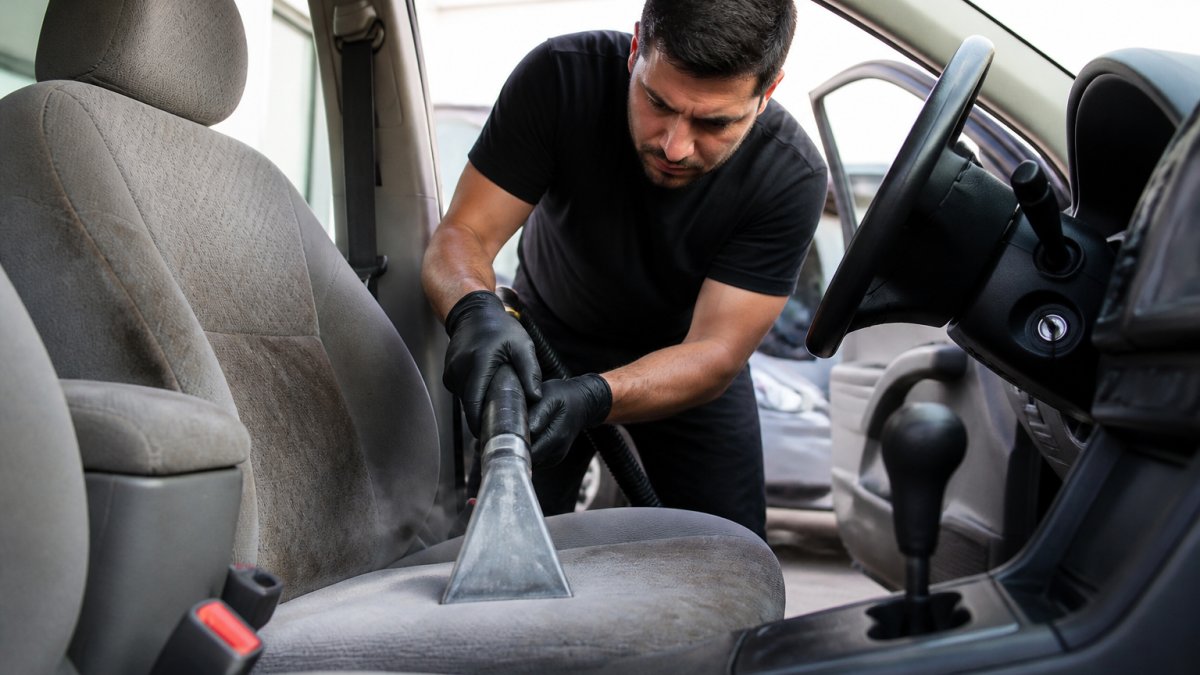
Professional detailer using specialized steam extraction equipment on car upholstery, concentrating on a heavily soiled fabric seat with focused intensity

Vehicle Size and Interior Space

The physical dimensions of your vehicle’s cabin directly impact labor time and material consumption. A compact sedan has roughly 40-50 square feet of interior surface area, while a full-size SUV can exceed 80 square feet. That difference isn’t just about square footage, it affects how long a professional spends working and how much cleaning solution gets deployed.

Smaller vehicles like sedans and coupes typically require less time to complete a thorough interior detail. The technician can reach all surfaces efficiently, move between areas quickly, and finish without repositioning equipment multiple times.

Vehicle type also matters beyond raw size. A minivan with multiple seat rows and crevices between seats presents different challenges than a truck bed. Fold-flat seating configurations, removable seat cushions, and integrated storage compartments all add complexity to the work.

Upholstery Material and Condition

The fabric or leather covering your seats determines both the cleaning method and the cost. Synthetic fabrics like polyester and microfiber respond well to standard hot water extraction and typically cost less to clean. Natural fabrics such as wool or linen require gentler approaches and sometimes specialized solutions, which increases the service price.

Leather seats demand entirely different care. Professional leather conditioning and protection services go beyond basic cleaning, they involve pH-balanced cleaners, conditioning treatments, and protective sealants. Leather that’s been neglected or shows cracking requires extra attention and potentially repair work, which extends the timeline and expense.

The overall condition of the upholstery when work begins also shapes pricing. A vehicle with light dust and occasional spills costs significantly less to restore than one with ground-in dirt, multiple stains, or odor problems. A professional assesses the condition during a consultation and adjusts estimates accordingly.

Stain Severity and Spot Treatment Needs

Not all stains are created equal. A fresh spill from coffee or soda responds quickly to standard extraction. Stains that have set for weeks or months, particularly those from pet accidents, food, or biological matter, require aggressive treatment and sometimes multiple passes. Some stubborn marks need pre-treatment with specialized enzymes or solvents before extraction.

Spot treatment for individual stains typically costs less than a full interior detail, but multiple problem areas across the cabin can add up. A vehicle with scattered pet hair, a few food stains, and general wear costs more to address than one with a single localized issue. The number of stains, their location, and how deeply they’ve penetrated the fabric all factor into the final estimate.

How Long Does Car Interior Detailing Take

Professional interior detailing duration depends on the scope of work. This timeframe covers everything from initial assessment through final drying and conditioning. The duration isn’t just about how long the technician works, it directly influences labor costs and affects when you can use your vehicle again.

Express Service vs. Full Deep Clean

An express interior detail focuses on the most visible areas. This service includes vacuuming carpets and upholstery, wiping down surfaces, cleaning windows, and addressing obvious stains. It’s ideal for regular maintenance or when you need your vehicle ready quickly. Express service handles the primary surfaces without deep extraction or extensive conditioning work.

A full deep clean and extraction service is comprehensive and includes powerful hot water extraction for all fabric surfaces, detailed cleaning of air vents and crevices, leather conditioning if applicable, odor removal treatment, and protective fabric or leather sealant application.

The difference between these services isn’t just time, it’s the intensity and depth of cleaning. Express work gets your vehicle presentable. Deep cleaning restores it to like-new condition and extends the interval before the next professional cleaning becomes necessary.

Car Interior Detailing Price List Breakdown

Professional interior detailing often follows a tiered pricing structure based on vehicle size and service depth. Understanding these tiers helps you anticipate what’s included in each package.

Standard Vehicle Interior Detail

A standard interior detail for a sedan or compact SUV covers comprehensive cleaning of all fabric surfaces, carpets, and accessible crevices. This package includes vacuuming, hot water extraction of seats and carpets, dashboard and trim wiping, window cleaning, and basic odor treatment. For most vehicles, this service represents the middle ground between quick express work and full restoration.

The standard package assumes moderate soiling, typical wear from regular use without major stains or odor problems. If your vehicle shows signs of heavy use, pet ownership, or staining, you’d likely need add-on services to address those specific issues.

Deep Clean and Extraction Services

Deep cleaning goes beyond standard service by targeting embedded dirt, set-in stains, and odor sources. This includes multiple extraction passes on heavily soiled areas, pre-treatment of problem stains with specialized solutions, detailed cleaning of air vents and HVAC systems, and extended drying time to prevent mildew. Vehicles with significant pet hair, food spills, or previous accident cleanup benefit most from this tier.

Professional extraction equipment removes moisture far more effectively than rental machines, which matters for preventing mold and mildew growth after cleaning. The technician also applies protective treatments, fabric guard or leather conditioner, to help resist future staining and extend the interval before the next cleaning.

Add-On Services and Hidden Costs

Beyond the base packages, several add-on services address specific needs. Leather conditioning and protection typically costs extra and involves application of pH-balanced conditioners and UV-protective sealants. Pet hair removal services use specialized equipment and techniques to eliminate embedded pet odors and hair that standard cleaning misses. Stain removal for particularly stubborn marks, such as ink, wine, or biological stains, often requires additional treatment time. Proper maintenance of these materials relies on consistent leather cleaning and conditioning to preserve the integrity of the hide against environmental wear.

Some services that seem standard actually incur hidden costs. Extended drying time in humid conditions, mold remediation if moisture damage has occurred, or replacement of heavily damaged seat covers fall outside typical packages. Always ask what’s included in the quoted price and what might cost extra based on your vehicle’s specific condition.

Mobile Car Detailing vs Shop Detailing

The choice between mobile and shop-based detailing affects both convenience and pricing. Mobile services bring professional equipment directly to your location, eliminating travel time and allowing work to happen at your home or office.

Mobile detailing offers the convenience of bringing professional equipment directly to your location, eliminating travel time and allowing work to happen at your home or office.

Book professional car care today →

Shop-based detailing sometimes offers lower per-service pricing because overhead is distributed across multiple vehicles serviced in one location. However, you’re responsible for getting your vehicle there and back, which adds time and inconvenience. Some shops offer higher-end equipment or specialized services that justify their pricing.

Clean Image 101 brings professional interior detailing directly to your location, transforming your vehicle without requiring you to travel. Our mobile service model means you can schedule work around your calendar, not ours.

Material-Specific Pricing and Care

Different upholstery materials require different cleaning approaches, and these differences directly impact cost.

Leather Conditioning and Protection

Leather seats demand specialized care that goes beyond standard fabric cleaning. Professional leather conditioning involves applying products formulated specifically for leather’s pH balance and pore structure. These treatments restore suppleness, prevent cracking, and enhance the leather’s natural appearance.

Protection services add a hydrophobic or oleophobic sealant that resists water and oil-based stains. This treatment makes future spills easier to address and extends the interval between professional cleanings. Leather conditioning and protection typically costs more than fabric cleaning because the products are specialized and the application requires technical knowledge.

Neglected leather, showing cracks, discoloration, or sun damage, may require color restoration or repair services beyond standard conditioning. These specialized treatments address specific damage and cost accordingly.

Fabric and Carpet Shampooing

Fabric upholstery and carpeting respond well to hot water extraction, which is the industry standard for deep cleaning. The process injects hot water mixed with cleaning solution into the fabric, then immediately extracts it along with dissolved dirt and stains. This method works on synthetic fabrics, blends, and natural fibers like wool.

Carpet shampooing for vehicle interiors uses the same principle but focuses on floor areas, which accumulate the most dirt and moisture. Heavily soiled carpets may require pre-treatment with enzymatic cleaners or deodorizers before extraction. Some vehicles with persistent odors benefit from antimicrobial treatment applied after shampooing.

Upholstery Type Cleaning Method Typical Add-Ons Conditioning Needed
Synthetic Fabric Hot water extraction Fabric guard, odor treatment Optional
Leather Specialized cleaner + conditioning Color restoration, protection sealant Required
Wool/Natural Fiber Gentle extraction Protective treatment Recommended
Carpet/Floor Hot water shampooing Antimicrobial treatment, deodorizer Optional

Maintenance Tips to Extend Cleaning Intervals

Professional cleaning is an investment, and extending the time between services protects that investment and reduces long-term costs. Regular maintenance between professional cleanings prevents dirt and stains from becoming deeply embedded.

Vacuum your vehicle’s interior weekly, focusing on high-traffic areas like driver and passenger seats, floor mats, and under the seats where debris accumulates.

Address spills immediately. Blot liquid spills with a clean cloth rather than rubbing, which pushes the liquid deeper into fibers. For solid spills like food, remove the material first, then blot any remaining moisture.

Use seat covers or protective treatments on high-wear areas. Fabric protectant applied during professional cleaning creates a barrier that resists staining, extending the time before deep cleaning becomes necessary.

Keep food and drinks out of your vehicle when possible. Pet owners should use seat covers or blankets to protect upholstery from hair and potential accidents.

What to Expect From Professional Interior Detailing

Professional interior detailing transforms your vehicle’s cabin in ways that DIY cleaning cannot match. Understanding what professionals do differently helps you appreciate the value and prepare for the appointment.

Professional-grade equipment extracts moisture effectively, which is critical for preventing mold and mildew. Commercial extraction equipment operates at higher pressures and temperatures, breaking down soils more effectively. The technician also understands drying sequences, how to position air circulation to prevent moisture from remaining in crevices where it promotes mold growth.

Trained professionals assess your vehicle’s specific condition and adjust their approach accordingly. They recognize different fabric types, identify stain composition, and select appropriate cleaning solutions and techniques.

The professional also handles safety and environmental concerns. Proper ventilation during and after cleaning prevents chemical buildup.


Professional interior detailing restores your vehicle’s cabin to showroom condition while protecting your investment. Whether you drive a luxury sports car, a practical SUV, or a family minivan, we deliver the meticulous care your vehicle deserves. Book professional car care today and experience the Clean Image 101 difference without leaving your home or office.

Frequently Asked Questions

How much does it cost to get car upholstery cleaned professionally?

Professional car upholstery cleaning costs vary based on vehicle size, upholstery material, and service depth. Sedans typically cost less than SUVs or trucks due to interior space. A standard interior detail may run differently than a deep clean with extraction. For accurate pricing tailored to your specific vehicle and needs, contact Clean Image 101 for a personalized quote that accounts for your upholstery type and current condition.

What factors influence the price of car interior detailing?

Key pricing factors include vehicle size (sedan vs. SUV vs. truck), upholstery material (leather requires different treatment than fabric), stain severity and spot treatment needs, labor costs, and service depth. Regional variations and mobile service convenience also affect final pricing.

Is professional car upholstery cleaning worth the cost?

Professional upholstery cleaning removes embedded dirt, pet hair, and stubborn stains that DIY methods cannot address effectively. Steam extraction and specialized treatments restore fabric and leather condition while extending upholstery lifespan. For busy professionals and luxury vehicle owners, mobile detailing services eliminate travel time while delivering superior results compared to at-home spot treatments or standard car washes.

Does mobile detailing cost more than a shop service?

Mobile detailing pricing depends on service scope and convenience value. The key difference is time savings, no travel required, and personalized attention to your specific vehicle. Request quotes from both mobile and shop services to compare pricing and service menus for your vehicle type.

Top 5 Benefits of Mobile Auto Detailing Services

Table of Contents

Last Updated: October 2, 2026

1. Unmatched Convenience: Professional Detailing Comes to You

The top 5 benefits of mobile auto detailing services start with one simple truth: professional-grade care arrives at your location. No drive to a detailing shop. No waiting room. No disruption to your workday. Clean Image 101 brings this level of convenience directly to busy professionals, luxury vehicle owners, and anyone who values their time.

Mobile auto detailing eliminates the friction that keeps most people from getting their cars properly maintained. Instead of planning around shop hours, you schedule service at your home or office. The detailer arrives with professional equipment, products, and expertise.

This isn’t just about saving a trip. It’s about removing the barrier between wanting professional results and actually getting them. Many vehicle owners skip regular detailing because the logistics feel burdensome. Mobile service flips that equation entirely.

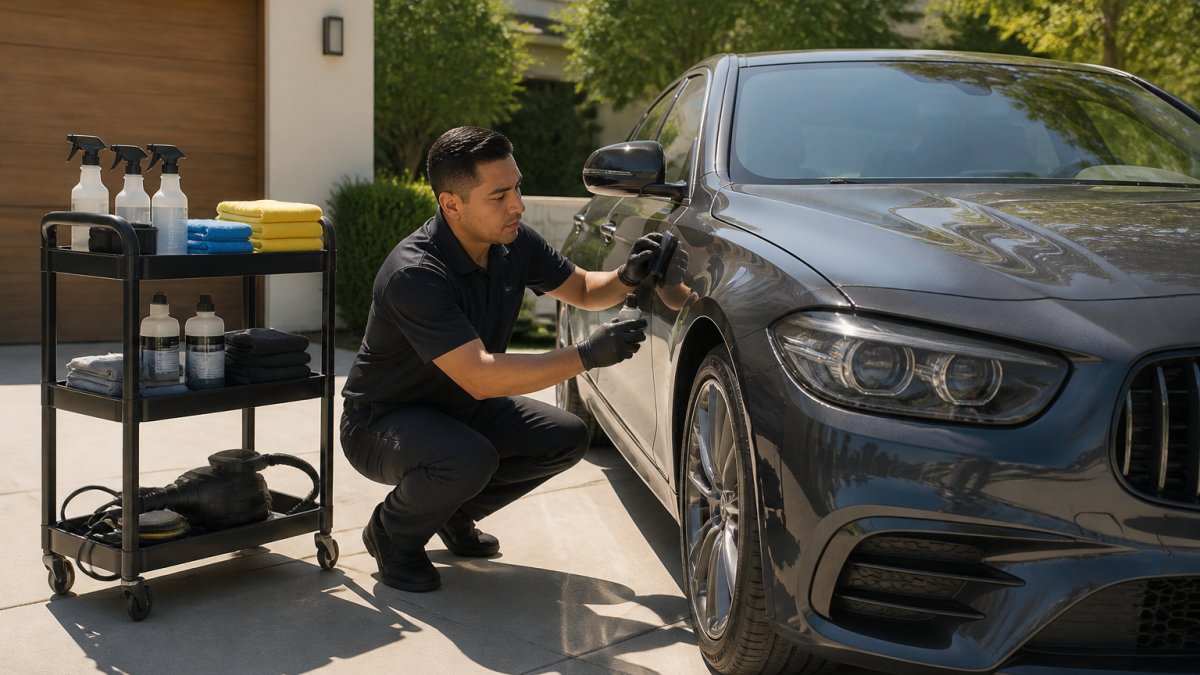
Professional detailer in work uniform applying protective coating to a luxury sedan parked in a residential driveway, with detailing equipment and supplies organized on a portable cart nearby, morning sunlight casting clear shadows
Pro Tip
The typical mobile detailing appointment takes 2-4 hours depending on your vehicle’s size and the service package. Most detailers schedule around your availability, including early mornings or evenings for professionals with unpredictable schedules.

For busy professionals in high-demand roles, mobile service delivers what traditional shops cannot: flexibility. You control the timing. The service adapts to your schedule, not the other way around.

2. Paint Protection and Preservation for Long-Term Value

Your vehicle’s paintwork faces constant assault. UV rays break down clear coat. Environmental contaminants, road salt, tree sap, industrial fallout, bird droppings, embed themselves into the paint surface. Without intervention, oxidation and corrosion accelerate. Professional detailing stops this process.

Mobile auto detailing services include paint protection treatments that traditional car washes cannot replicate. Clay bar treatments remove embedded contaminants that washing alone leaves behind. Paint sealants create a protective barrier against UV damage and environmental hazards. These techniques preserve the paint’s integrity and appearance for years.

The difference between a standard wash and professional detailing is measurable. A clay bar treatment feels rough against your palm before it’s applied, that texture is the contaminant layer sitting on your paint. After treatment, the surface feels smooth. That smoothness represents protection restored.

Key Takeaway
Paint protection is cumulative. Each professional detail extends the interval before oxidation becomes visible. Over five years, regular detailing can preserve paint condition that would otherwise require costly restoration.

Vehicle owners who prioritize resale value understand this intuitively. Paint condition is one of the first things potential buyers assess. Preserved paintwork signals that the vehicle was maintained meticulously. Detailing protects both your vehicle’s appearance and its future market appeal.

3. Enhanced Resale Value and Curb Appeal

A well-maintained vehicle commands higher resale value. This isn’t subjective, it’s how the market works. Buyers evaluate condition across multiple dimensions: mechanical soundness, interior cleanliness, and exterior appearance.

Professional detailing enhances curb appeal dramatically. Paint gleams. Chrome sparkles. Interior upholstery looks fresh. Wheels shine. These visual signals communicate care and maintenance to potential buyers.

The relationship between appearance and valuation is direct. A detailed vehicle photographs better, lists more compellingly, and attracts more serious inquiries.

For luxury vehicle owners, this principle amplifies. High-end cars are purchased partly for their aesthetic presence.

Clean Image 101 understands that luxury vehicles demand specialized care. Sports cars, high-end SUVs, and premium sedans require techniques tailored to their materials and finishes.

How Long Does Mobile Car Detailing Take?

Mobile car detailing duration varies by vehicle size, current condition, and service package selected. A standard exterior detail on a sedan typically takes 2-3 hours. Interior detailing adds 1-2 hours.

The timeline accounts for proper technique, not rushing. Professional detailers work methodically. They allow products to dwell on surfaces for the time required. They use multiple passes where needed. Shortcuts compromise results.

Vehicle size matters significantly. A minivan or truck requires more time than a compact sedan simply due to surface area. Condition also affects duration.

Most mobile detailers schedule appointments to accommodate your availability. Early morning or evening slots work for professionals with demanding daytime schedules. Weekend availability makes mobile service practical for those who cannot take time off work.

4. Interior Cabin Cleanliness and Automotive Hygiene

The interior is where you spend time. You breathe the air. Your family sits in the seats. Your children touch the surfaces. Interior cabin hygiene matters more than many people realize.

Professional detailing addresses what vacuuming and surface wiping cannot reach. Deep cleaning extracts embedded dust, allergens, and contaminants from upholstery fibers. Sanitization treatments eliminate odor-causing bacteria and mold. Air quality improves measurably.

For pet owners, this benefit becomes essential. Pet hair embeds deeply into fabric. Standard cleaning leaves most of it behind. Professional pet hair removal uses specialized equipment and techniques to extract hair that vacuums miss. The difference is visible and immediate.

Odor removal represents another critical hygiene benefit. Stubborn odors, from spills, pet accidents, smoke, or simply age, linger in upholstery and carpet. Professional-grade sanitization treatments neutralize the source rather than masking the smell. Your interior smells fresh because it is clean, not because of air freshener.

Book professional car care today →

Watch Out
Ignoring interior hygiene compounds problems. Bacteria and mold growth accelerates in damp environments. Pet odors become increasingly difficult to remove the longer they persist. Addressing these issues promptly through professional detailing prevents expensive restoration later.

The health benefit is real. You spend significant time in your vehicle. Breathing clean air and sitting in sanitized seats contributes to overall wellness. For families with allergies or sensitivities, professional interior detailing can noticeably improve comfort during drives.

What Is Included in a Full Auto Detail?

A full auto detail encompasses exterior and interior treatments designed to restore and protect your vehicle comprehensively.

Some full details include specialized services like paint restoration for oxidized finishes, bug removal for stubborn splatter, or odor elimination for challenging smells. The exact scope depends on your vehicle’s condition and your priorities.

The distinction between a full detail and standard car wash is substantial. A car wash cleans the surface. A full detail cleans, protects, and restores. It addresses what washing leaves behind.

Service ComponentExterior FocusInterior FocusProtection Applied
Standard WashSurface cleaning onlyLight vacuumingNone
Basic DetailWash, wheel cleaningVacuuming, surface wipeBasic wax
Full DetailWash, clay bar, paint correctionDeep cleaning, sanitizationPaint sealant, conditioning
Premium DetailFull detail plus restorationFull detail plus odor treatmentMultiple protective layers

Professional detailers customize the approach to your vehicle’s specific needs. A newer vehicle with good condition requires less correction work. An older vehicle with oxidation or swirl marks benefits from paint restoration. Pet owners prioritize deep upholstery cleaning.

5. Professional-Grade Results Without the Shop Visit

The quality difference between professional detailing and DIY efforts is significant. Professional detailers use equipment, products, and techniques unavailable to consumers.

Professional-grade detailing products are formulated differently than retail alternatives. They contain higher concentrations of active ingredients. They’re designed for commercial use, not consumer convenience.

Equipment matters equally. Professional clay bar machines, orbital polishers, and extraction equipment deliver results that hand application cannot match.

Experience is the final differentiator. Professional detailers have detailed hundreds of vehicles. They recognize paint types, understand material properties, and know which techniques work for specific conditions.

Clean Image 101’s team brings years of industry experience to every vehicle. They’ve worked on sports cars requiring specialized paint care, minivans needing deep interior sanitation, and everything between.

Best For
Busy professionals who cannot dedicate weekends to vehicle maintenance, luxury vehicle owners who demand meticulous care, and anyone seeking results that exceed what DIY detailing can achieve.

The convenience of professional service combines with quality outcomes that DIY simply cannot replicate. You get results that preserve your vehicle’s value, appearance, and condition without the time investment or skill development required for quality DIY work.

Understanding Mobile Car Detailing Cost

Mobile car detailing pricing depends on several factors: vehicle size, current condition, service package selected, and your location.

The investment in mobile detailing returns value across multiple dimensions. Your time is preserved. Your vehicle’s condition improves. Resale value is protected. Interior health benefits accrue.

When evaluating detailing services, compare what’s included rather than price alone. A lower-cost service might exclude paint protection or use basic products.

For current pricing and customized quotes based on your vehicle’s specific needs, contact Clean Image 101 directly. They provide transparent pricing and detailed explanations of what each package includes.


Mobile auto detailing services solve a real problem for busy professionals: how to maintain vehicle appearance and condition without sacrificing time or quality.

Frequently Asked Questions

What are the main benefits of mobile auto detailing compared to traditional car washes?

Mobile auto detailing services deliver professional-grade results that far exceed standard automated car washes. Unlike quick washes, mobile detailing removes contaminants, oxidation, and environmental hazards from your paintwork through clay bar treatments and specialized techniques. The service comes to your location, eliminating travel time and allowing you to work or relax while professionals restore your vehicle’s exterior finish, interior cabin, and upholstery. This level of care preserves your car’s resale value and extends its longevity.

How does regular mobile car detailing help maintain my vehicle’s resale value?

Professional detailing protects your paintwork from UV rays, corrosion, and oxidation, major factors that diminish resale value. Regular maintenance through mobile detailing services applies paint sealants and protective coatings that guard against environmental hazards. A well-maintained exterior finish and sanitized interior cabin significantly enhance curb appeal, which directly influences buyer perception and pricing. Detailed maintenance records showing professional care also increase buyer confidence and willingness to pay premium prices.

What should I expect during a mobile auto detailing appointment?

A professional mobile detailing appointment includes comprehensive exterior and interior cleaning. Exterior work covers paint restoration, clay bar treatment to remove contaminants, and application of protective products. Interior detailing addresses deep cleaning of upholstery, removal of pet hair and odors, sanitization of high-touch surfaces, and air quality improvement. The technician brings all necessary detailing equipment and professional-grade products to your location. Timeframes vary based on your vehicle’s condition and the specific services requested.

How does mobile car detailing protect against rust and corrosion?

Mobile detailing services remove environmental contaminants like salt, industrial fallout, and oxidation that cause rust and corrosion. Professional-grade clay bar treatments extract embedded particles from your paintwork, while paint sealants and protective coatings create a barrier against moisture and UV rays. This preventive approach is especially valuable for vehicles exposed to harsh conditions. Regular professional detailing significantly extends your vehicle’s lifespan and maintains structural integrity.

Best Bug and Tar Remover for Black Cars

Table of Contents

Last Updated: October 1, 2026

Why Bug and Tar Remover Matters for Black Paint

Black paint shows every flaw. A single water spot becomes visible from ten feet away. Bug splatter and road tar aren’t just unsightly, they’re actively damaging your clear coat while you’re looking at them.

Insect remains bond to paint and etch the clear coat if left untreated for days or weeks. Road tar hardens around itself, becoming harder to remove over time. Tree sap follows the same pattern.

Early removal within 24 hours takes minutes; late removal requires clay bar treatment or professional detailing. For black paint, damage shows immediately, making speed critical.

The best bug and tar removers break down contaminant bonds, lubricate the surface to prevent scratching, and rinse cleanly without residue.

Pro Tip
Black paint requires a bug and tar remover with a pH-balanced formula. Acidic or alkaline cleaners can strip wax protection and dull the finish. Check the product label before buying, pH-neutral is non-negotiable for black vehicles.

Top Bug and Tar Removers Compared

Products fall into three tiers: heavy-duty for extreme buildup, premium formulas for paint protection, and budget alternatives. Your choice depends on driving frequency, how long contaminants sit, and your paint protection type.

Product Best For Key Strength Primary Consideration
3D Bug Remover Daily commuters Fast protein breakdown Requires thorough rinsing
Stoner Car Care Tarminator Road tar removal Dissolves on contact Can strip wax if not reapplied
Griot’s Garage Bug & Smudge Remover Premium gel application Extended dwell time Higher price point
Prosol Works Bugs N’ All High-volume users Cost-effective strength Requires careful dilution
P&S Bug Off Professional detailers Balanced performance Bulk sizing for casual users
Meguiar’s Heavy Duty Foaming Bug Remover Quick spot cleaning Convenient aerosol Limited coverage area
McKee’s 37 Road Kill Bug Remover Paint etching prevention Advanced surfactants Premium pricing
Turtle Wax Bug & Tar Cleaner Budget-conscious owners Affordable and accessible May need longer dwell time
Poorboy’s World Bug Squash Multi-purpose cleaning Versatile dilution options Requires proper mixing

Heavy-Duty Options for Baked-On Debris

For bugs sitting a week or longer, heavy-duty options use concentrated formulas with aggressive surfactants to break down hardened proteins and tar.

Prosol Works Bugs N’ All leads for raw cleaning strength. The concentrated formula requires careful dilution management, making it ideal for high-volume users and fleet managers rather than casual owners.

Stoner Car Care Tarminator targets petroleum-based contaminants with micro-active cleaning agents that dissolve tar on contact. Apply in ventilated areas due to strong solvent odor. Critical: Tarminator strips wax, so reapply protection immediately after use.

Watch Out
Never use heavy-duty tar removers on ceramic-coated paint without checking compatibility first. Some solvent-based formulas can compromise ceramic coatings. Read the label or test on an inconspicuous area before full application.

Premium Formulas for Paint Protection

Premium removers balance cleaning power with paint safety. They’re formulated for frequent use on delicate finishes, exactly what black paint demands.

3D Bug Remover uses pH-balanced chemistry with fast-acting protein breakdown, safe for clear coats and wax. It works on fresh to moderate buildup but requires thorough rinsing to prevent streaks. Cost-per-use is reasonable for weekly maintenance.

Griot’s Garage Bug & Smudge Remover uses a gel formula that clings to vertical surfaces longer, providing extended dwell time. It’s gentler on wax and ceramic coatings, though you pay a premium for application ease and paint safety.

McKee’s 37 Road Kill Bug Remover uses advanced surfactants to prevent paint etching. Its non-acidic, non-caustic chemistry prevents further deterioration on already-damaged finishes, justifying the premium price.

Budget-Friendly Alternatives

Budget options work. They’re not premium, but they’re not useless either. The limitation is dwell time and residue management.

Turtle Wax Bug & Tar Cleaner is affordable and effective on fresh to moderately baked bugs. It works well for bugs treated within 48 hours, though older buildup may require longer dwell time or multiple applications.

Poorboy’s World Bug Squash offers versatility. You can use it as a pre-wash spray or dilute it for bucket washing. This flexibility appeals to owners who want one product handling multiple cleaning tasks. The formula is gentle on paint protection. The requirement is proper dilution, too concentrated and you risk over-stripping wax; too dilute and you lose cleaning power.

Safe Bug Removal for Ceramic Coated Cars

Ceramic coatings create a hard, hydrophobic layer over your clear coat. This layer is tougher than wax but also more expensive to replace if damaged. Bug and tar removers must be chemically compatible with ceramic coatings, which means avoiding harsh solvents and caustic formulas.

The safest approach is to verify the remover is ceramic-coating safe before application. Check the product label or contact the manufacturer. Most pH-balanced, non-solvent formulas work fine. Solvent-based products like Tarminator require caution, they can compromise the ceramic bond if used repeatedly.

Application technique matters more with ceramic coatings. Use minimal agitation. Spray the remover, let it dwell for 30-60 seconds, and rinse with a gentle stream. Don’t scrub or use a microfiber towel aggressively. The ceramic coating‘s hardness means you don’t need physical pressure, the chemistry does the work.

Key Takeaway
For ceramic-coated black paint, prioritize pH-balanced, non-solvent removers like 3D Bug Remover or Griot’s Garage. These formulas clean effectively without risking the coating’s integrity or hydrophobic properties.

How to Remove Tree Sap from Car Paint

Tree sap follows the same damage pattern as bugs and tar, it hardens over time and becomes increasingly difficult to remove. The chemistry is different, though. Sap is sticky and resinous. It doesn’t dissolve in water and bonds mechanically to the paint surface.

Standard bug removers often fail on tree sap because they target proteins or petroleum, not resins. Tar removers work better because they use solvents that break down resinous compounds. Stoner Car Care Tarminator is effective here, though you’ll need longer dwell time, 2-3 minutes instead of 30 seconds.

For fresh sap, apply the remover immediately. Dwell time is critical. Let the solvent work on the resin bond rather than trying to scrub it away. Scrubbing spreads the sap and embeds it deeper. After dwell time, a gentle rinse often removes the sap without physical contact.

Hardened sap requires clay bar treatment. A clay bar is a fine abrasive that physically removes sap particles that liquid cleaners can’t dissolve.

Detailing Tips for Black Paint

Black paint is unforgiving but rewarding. Small details become visible, but when the finish is clean and protected, black cars look exceptional.

Step-by-Step Application Guide

Removing bugs and tar correctly prevents swirl marks and paint damage. The process is straightforward but requires attention to technique.

Infographic showing the proper application technique for bug and tar remover on a car hood using a microfiber towel

What You’ll Need Before Starting

Applying the Remover Correctly

Step 1: Rinse the affected area. Use cool water to remove loose debris. Don’t scrub, just rinse. This prevents dragging particles across the paint during remover application.

Rinsing and Final Protection

Step 5: Rinse thoroughly. Use a gentle stream of cool water. Rinse for at least 30 seconds to ensure no remover residue remains. Residue left on black paint becomes visible as streaks or dull spots.

Common Mistakes to Avoid

Using hot water. Hot water opens the clear coat’s pores and can make contaminants bond more tightly. Use cool water always.

Preventative Maintenance and Wax Protection

The best bug and tar removal is prevention. A protective layer, wax or ceramic coating, redirects contaminants away from your clear coat.

Frequently Asked Questions

How do I get bugs off a black car without damaging the clear coat?

Use a pH-balanced bug and tar remover applied with gentle pressure and a soft microfiber towel. Spray the product and allow adequate dwell time (typically 2-5 minutes) for the formula to break down organic matter. Avoid scrubbing or rubbing aggressively, which causes swirl marks on black paint. Rinse thoroughly with water and dry immediately to prevent water spots and residue. Professional detailers recommend this approach for black finishes because the dark color shows micro-scratches more visibly than lighter paint.

Is it safe to use bug and tar remover on ceramic coated black cars?

Yes, but choose carefully. Most pH-balanced bug removers are safe for ceramic coatings, though you should verify the product label confirms compatibility. Ceramic coatings are durable, but some solvent-based removers can potentially weaken the hydrophobic layer if used repeatedly without reapplication of the coating. After using any bug remover on ceramic-coated paint, allow the coating to cure fully before exposing the vehicle to rain or water. When in doubt, test the product on a small, inconspicuous area first.

What is the best method for removing tree sap from black paint?

Tree sap removal requires a solvent-based cleaner designed to dissolve sticky residue without heavy scrubbing. Apply the remover directly to the affected area and allow 3-10 minutes of dwell time depending on how baked-on the sap is. Use a soft microfiber towel with light pressure to gently lift the sap away. For stubborn deposits, repeat the application rather than increasing pressure. After removal, rinse thoroughly and apply a fresh coat of wax or sealant to restore the protective layer, since solvent-based products can strip existing protection.

Does bug and tar remover strip wax or paint sealants?

Yes, many removers can strip wax and sealants, especially solvent-based formulas designed for heavy-duty tar and road film removal. pH-balanced bug removers are gentler on protection layers than tar-specific products. To minimize damage, rinse thoroughly after use and reapply wax or sealant within a few days. If you use your vehicle frequently on roads with heavy bug and tar exposure, plan to reapply protection monthly rather than quarterly. Professional detailers recommend this maintenance schedule for black cars in high-exposure environments.


Black paint demands attention, but that attention pays off. A properly maintained black vehicle looks exceptional. The key is treating contaminants quickly, using the right remover for the job, and maintaining a protective layer. Clean Image 101’s team brings years of experience in black paint care directly to your location, handling everything from bug removal to full paint restoration with the precision your vehicle deserves.

Paint Decontamination for Car Longevity: A Complete Guide

Table of Contents

Last Updated: September 30, 2026

What Is Paint Decontamination and Why It Matters for Car Longevity

Paint decontamination is the process of removing embedded environmental contaminants, iron particles, tree sap, tar, industrial fallout, and other pollutants, that regular washing cannot eliminate. These contaminants bond to your vehicle’s clear coat and paint layers, compromising the surface integrity and accelerating oxidation and paint failure if left untreated.

Your car’s paint is a protective barrier. Embedded contaminants create microscopic pits that weaken the surface, leading to swirl marks, micro-scratches, and irreversible damage. Understanding why paint decontamination car longevity matters is the difference between a pristine finish and premature aging.

Embedded pollutants prevent protective sealants and ceramic coatings from bonding properly, causing paint protection investments to fail prematurely.

Key Takeaway
Paint decontamination removes contaminants that regular washing leaves behind, preserving clear coat integrity and extending the life of protective coatings by ensuring proper surface bonding.

How to Tell If Car Paint Is Contaminated

Recognizing contamination is the first step in protection. Standard washing leaves contaminants invisible until damage begins.

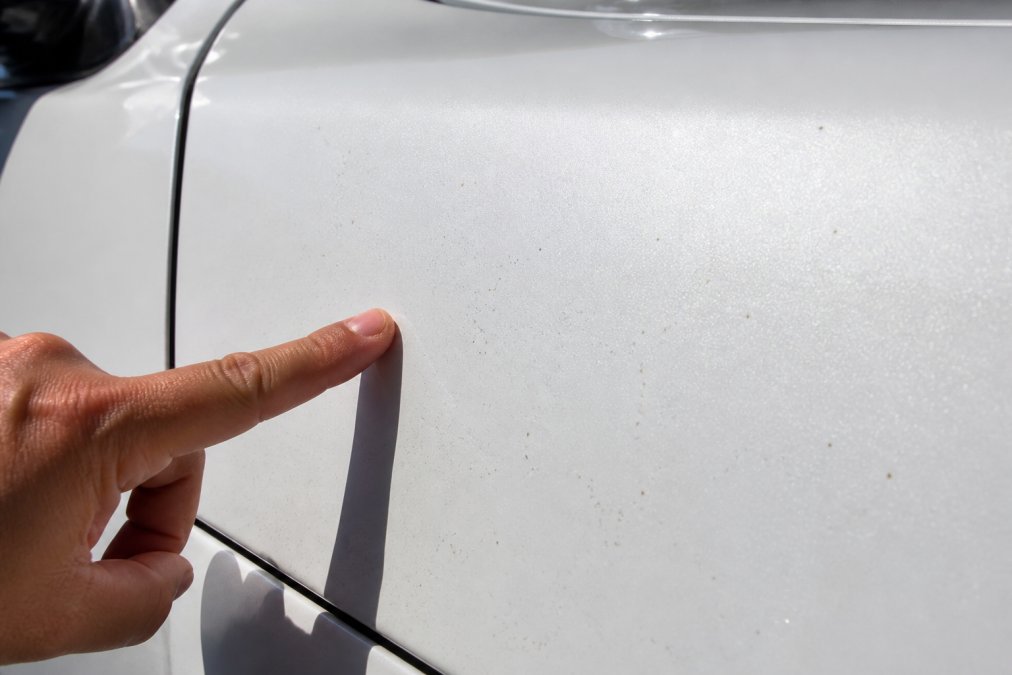
Close-up of a vehicle's paint surface showing visible iron fallout specks and embedded particles under bright sunlight, with a detailer's hand pointing to affected areas and texture visible on the clear coat
Close-up of a vehicle’s paint surface showing visible iron fallout specks and embedded particles under bright sunlight, with a detailer’s hand pointing to affected areas and texture visible on the clear coat

Run your hand across your car’s paint in direct sunlight. Rough, gritty texture indicates contamination has bonded to the clear coat, a tactile test that visual inspection alone misses.

Look for visible signs: dark specks that won’t wash away, discolored spots after rain, or dull finish despite washing. Iron fallout appears as rust-colored spots near wheels; tree sap as sticky droplets; tar as dark streaks on lower sections.

Water beading signals contamination: freshly waxed paint shows tight beads that roll off, while contaminated paint shows flat, spread-out water that sheets across the surface.

Watch Out
Ignoring early contamination signs leads to permanent clear coat damage and oxidation that no amount of polishing can fully restore. Once the clear coat is compromised, paint failure accelerates significantly.

Types of Embedded Contaminants and Their Impact on Paint

Different contaminants require different removal methods. Understanding specific types explains why paint decontamination is important for car longevity.

Iron Fallout and Industrial Particles

Iron fallout from brake dust, industrial emissions, and railway dust oxidizes when moisture triggers rusting, bonding chemically to your clear coat.

As iron particles rust, they expand and create stress points that weaken the clear coat, while also catalyzing oxidation in surrounding areas.

Industrial fallout from manufacturing and construction sites embeds deeper than organic contaminants, requiring chemical rather than mechanical removal.

Tree Sap, Tar, and Organic Buildup

Organic contaminants like tree sap bond through adhesive properties and harden over time, making removal increasingly difficult.

Tar hardens and bonds to the surface, especially when UV exposure bakes it into the clear coat, making mechanical removal risky.

Organic contaminants trap moisture and prevent protective coatings from bonding, creating barriers to effective paint protection.

Pro Tip
Different contaminants require different removal approaches. Iron fallout responds well to chemical iron removers, while organic contaminants like sap respond better to clay bar treatment or specialized solvents. Mixing approaches wastes time and risks surface damage.

Clay Bar Treatment Benefits for Paint Health

Clay bar treatment removes surface-bonded contaminants through mechanical adhesion: as you glide the clay with lubricant, particles stick to the clay rather than the paint.

Clay bar treatment restores surface smoothness essential for sealant and ceramic coating bonding, making the surface receptive to protective layers.

Clay bar treatment reveals the true condition of your paint, helping determine whether additional correction is needed before applying protective coatings.

Clay bar treatment prevents oxidation and clear coat damage, extending paint lifespan and maximizing protective product effectiveness.

Iron Fallout Remover for Cars: Protecting Against Oxidation

An iron fallout remover is a chemical treatment specifically formulated to dissolve and remove oxidized iron particles embedded in your clear coat. These products work by chemically converting iron oxide back into a removable form, preventing the oxidation from spreading and causing additional damage.

The mechanism is straightforward: iron fallout removers contain chelating agents that break the bond between rust particles and the clear coat. As the chemical works, the iron particles change color, typically turning purple or red as the oxidation state changes, making it visually obvious that the product is working. Once the bond is broken, the particles rinse away with water.

Book professional car care today →

The protection benefit is substantial. By removing iron fallout before it causes deep oxidation, you prevent the formation of rust pits in the clear coat. These pits would otherwise become permanent defects that catch light and create dull spots on your paint finish. An iron fallout remover stops this damage before it becomes irreversible.

Using an iron fallout remover is particularly important before applying ceramic coatings or long-term sealants. If iron particles remain embedded in the surface, they continue oxidizing beneath the protective coating, creating defects that become visible through the coating. The coating then traps the contamination, making removal even more difficult later.

The Multi-Stage Decontamination Process and Clear Coat Protection

Professional paint decontamination typically follows a multi-stage approach that addresses different contaminant types sequentially. This systematic process ensures comprehensive removal while protecting the clear coat from unnecessary abrasion or chemical exposure.

The first stage involves chemical iron removal. An iron fallout remover is applied to the entire vehicle, allowed to dwell for several minutes, and then rinsed thoroughly. This removes oxidized iron particles and industrial metallic fallout that chemical treatment can address. The visual color change during this stage confirms the process is working.

The second stage uses clay bar treatment to remove remaining surface-bonded contaminants that the chemical treatment didn’t address. This includes tree sap, tar, and other organic buildup. The clay bar glides across the surface with a lubricant, mechanically lifting contaminants without scratching the paint. Multiple passes with fresh clay sections ensure thorough removal.

The third stage involves pH-neutral rinsing and drying. Proper rinsing removes all chemical residue and clay particles, preventing them from bonding to the surface and creating new contamination. pH-neutral products are critical, acidic or alkaline rinses can damage the clear coat if not properly formulated.

The final stage prepares the surface for protection. Once decontamination is complete, the surface is receptive to sealants and ceramic coatings. These protective layers bond directly to clean paint, creating a hydrophobic surface that resists future contaminant bonding and makes regular maintenance easier.

This multi-stage approach prevents the common mistake of relying on a single decontamination method. Iron removal alone won’t address sap. Clay bar treatment alone won’t remove oxidized iron. A comprehensive process addresses all contaminant types, ensuring maximum paint health and longevity.

Seasonal Maintenance Schedules and Environmental Impact

Environmental conditions directly influence how quickly contaminants accumulate on your vehicle. Understanding seasonal patterns helps you time decontamination treatments for maximum effectiveness and minimum environmental impact.

Spring brings pollen, tree sap, and increased organic debris. Vehicles parked near trees accumulate sap rapidly during this season. Early spring decontamination removes winter accumulation before warmer temperatures bake contaminants into the clear coat. This timing prevents summer oxidation damage that would otherwise require more aggressive treatment.

Summer heat accelerates oxidation of iron fallout and hardens organic contaminants. High temperatures also increase UV exposure, which degrades protective coatings. Mid-summer decontamination, followed by ceramic coating application, provides protection for the remainder of the year. The timing allows the ceramic coating to cure properly before fall weather.

Fall brings industrial fallout from harvest activities and increased brake dust from temperature-related stopping patterns. Late summer or early fall decontamination removes summer accumulation before winter weather compounds the damage. This prevents oxidation progression through the winter months.

Winter presents unique challenges depending on your climate. Salt exposure in snowy regions accelerates oxidation significantly.

Key Takeaway
Seasonal timing of paint decontamination prevents contamination from hardening and bonding deeply, making removal easier and reducing the need for aggressive chemical treatments or abrasive methods.

Why Paint Decontamination Matters Before Ceramic Coating or Sealant Application

The relationship between surface cleanliness and protective coating performance cannot be overstated. Ceramic coatings and paint sealants create a hydrophobic layer that bonds directly to your clear coat. If contaminants are present during application, the coating bonds to the contamination rather than the paint itself.

The investment in decontamination before coating application is economical.


Contaminant Type Removal Method Impact if Left Untreated Timing
Iron fallout Chemical iron remover Rust oxidation, clear coat pitting After rain, monthly in industrial areas
Tree sap Clay bar treatment Hardening, moisture trapping, coating failure Spring, before summer heat
Tar buildup Clay bar + solvent Deep bonding, paint failure Fall and winter
Industrial particles Chemical treatment + clay Oxidation spread, surface degradation Quarterly in high-traffic areas

Frequently Asked Questions

What is car paint decontamination?

Paint decontamination is the process of removing embedded contaminants like iron particles, tree sap, tar, and industrial fallout from your vehicle’s clear coat and paint surface. Unlike regular washing, which removes surface dirt, decontamination targets microscopic particles bonded to the paint. This process typically uses clay bars, chemical removers, or professional-grade treatments to restore the paint’s smoothness and prepare it for protection or restoration work.

How often should you decontaminate your car paint?

Most vehicles benefit from paint decontamination regularly, depending on your environment and driving habits. If you park near trees, industrial areas, or highways, or live in regions with high pollution, more frequent decontamination may be necessary. Professional detailers recommend inspecting your paint regularly by running your hand over it; if it feels rough or gritty, decontamination is due soon. Seasonal maintenance before applying ceramic coatings or sealants is also essential.

Does clay bar treatment damage clear coat?

When performed correctly with proper technique, clay bar treatment does not damage your clear coat. The clay gently removes contaminants without scratching or abrading the paint surface. However, using expired clay, applying excessive pressure, or skipping the lubricant spray can cause micro-scratches. Professional detailers use high-quality clay bars and detailing spray to ensure safe, effective contaminant removal while preserving your paint’s integrity and gloss retention.

Can I perform paint decontamination at home?

Yes, you can perform basic clay bar decontamination at home using DIY kits, but professional-grade chemical decontamination requires specialized knowledge and equipment. Home clay bar treatments work well for light contamination, though improper technique risks micro-scratches. For heavy iron fallout, stubborn tar, or vehicles with delicate finishes, professional decontamination is recommended. Professional services also apply treatments that prepare your paint for long-term protection.

Westside Car Detailing: A 2026 Review Guide

Table of Contents

Last Updated: September 29, 2026

What Westside Car Detailing Services Actually Offer

Professional westside car detailing transforms your vehicle far beyond what a standard car wash delivers. The difference lies in meticulous attention to every surface, interior and exterior, using specialized techniques and equipment that restore your car’s appearance and protect its finish.

Professional detailer carefully applying clay bar treatment to luxury vehicle's exterior paint under bright natural light, with specialized equipment and microfiber towels visible on work table
Professional detailer carefully applying clay bar treatment to luxury vehicle’s exterior paint under bright natural light, with specialized equipment and microfiber towels visible on work table

A comprehensive westside car detailing package typically includes full interior and exterior restoration. On the exterior, this means paint correction to remove swirl marks and minor scratches, clay bar treatment to eliminate surface contaminants, protective waxing for gloss enhancement, and detailed attention to door jambs, trim, and wheels. Interior services cover deep vacuuming, upholstery cleaning, dashboard conditioning, window cleaning, and often specialized treatments like leather conditioning or stain removal.

Clean Image 101 specializes in mobile detailing that brings these services directly to your location. Rather than driving to a shop, their professionals arrive with professional-grade equipment and handle the full scope of work at your home or office. This approach eliminates the time burden while delivering the same meticulous results you’d expect from a traditional detail shop.

The range of services extends to specialized treatments. Bug removal requires careful technique to avoid damaging clear coat. Paint restoration addresses oxidation and fading. Engine bay cleaning removes accumulated grime without risking electrical components. Each treatment demands specific expertise and the right products.

Pro Tip
Ask any detailer about their process for surface decontamination, specifically whether they use clay bar treatment before waxing. This step separates thorough detailing from basic washing. It removes embedded contaminants that water alone cannot lift.

Mobile Auto Detailing vs. Shop Detailing: Which Works Better

The choice between mobile detailing and traditional shop detailing comes down to your priorities: convenience versus control, and time versus potentially lower cost.

Mobile auto detailing brings the work to you. A professional arrives at your home or office with equipment and completes the service on-site. You avoid the drive, the wait, and the disruption to your day. For busy professionals and luxury vehicle owners, this convenience is often worth the premium. Clean Image 101 operates this way, handling diverse vehicle types from sports cars to minivans without requiring you to leave your location.

Shop detailing requires you to drop off your vehicle. The advantage: shops often have specialized equipment and controlled environments. The disadvantage: you lose access to your car for hours, sometimes days. You also must coordinate around their hours and availability.

Quality depends on the detailer, not the setting. A skilled mobile detailer produces results identical to a skilled shop detailer. The real difference is workflow. Mobile professionals work one vehicle at a time, often with undivided attention. Shop detailers may juggle multiple cars, which can affect quality if they’re rushed.

Cost structures differ. Mobile detailing typically costs more because the professional brings equipment to you and dedicates their time to your vehicle alone. Shop detailing may offer lower prices because they operate at fixed locations with established overhead. However, pricing varies dramatically based on vehicle size, service level, and local market rates.

Factor Mobile Detailing Shop Detailing
Convenience Comes to you; no travel required You drive to location; may wait
Time Commitment Flexible scheduling at your location Must drop off and pick up
Equipment Professional-grade, brought on-site Specialized shop equipment
Quality Control Direct observation of work Less direct oversight
Pricing Typically higher per service Often lower base rates
Best For Busy professionals, luxury vehicles Budget-conscious, less time-sensitive

The mobile versus shop decision isn’t about which is objectively better, it’s about what fits your life. If time is your scarcest resource, mobile detailing eliminates friction. If budget is paramount and you can spare the time, a shop may serve you better.

Full Interior Car Detailing Checklist for Your Vehicle

A thorough interior detailing addresses every surface and material inside your vehicle. Use this checklist to understand what professional-grade interior detailing includes, or to evaluate what a detailer should cover.

Vacuuming and Extraction:

Upholstery Treatment:

Hard Surfaces:

Final Details:

Professional detailers often customize this checklist based on your vehicle’s condition and your priorities. A minivan with children might emphasize stain removal and pet hair treatment. A luxury sports car might focus on leather conditioning and precise dashboard cleaning.

Book professional car care today →

Watch Out
Water spots and residue left behind indicate incomplete drying or inadequate rinsing. A professional detailer should use distilled water for final rinses and microfiber towels for drying to prevent this. If you’ve experienced water spots from mobile services before, ask specifically how they handle final drying.

The interior detailing checklist matters because it defines expectations. Before booking, review this list with your chosen detailer to confirm they cover the areas that matter most to you.

Paint Restoration and Protection Options

Your vehicle’s paint faces constant assault: UV rays fade the clear coat, acid rain spots etch the surface, and environmental contaminants embed themselves into the finish. Paint restoration and protection address these issues through different approaches.

Paint Correction removes surface imperfections. Swirl marks from improper washing, minor scratches, and oxidation respond to professional correction techniques. A detailer uses specialized compounds and polishing equipment to level the clear coat, removing the damaged layer and revealing fresh paint beneath. This process restores gloss and clarity but doesn’t add protection.

Clay Bar Treatment removes embedded contaminants that washing alone cannot lift. Industrial fallout, road tar, tree sap, and mineral deposits bond to your paint. A clay bar safely pulls these away without damaging the clear coat. This preparation step often precedes waxing or ceramic coating application.

Waxing adds a protective layer that enhances gloss and provides water beading. Traditional wax lasts 4-8 weeks and requires reapplication regularly. It’s affordable and effective for basic protection, making it the standard choice for routine detailing.

Ceramic Coating offers long-term paint protection.

Best For
Luxury vehicle owners and car enthusiasts who prioritize long-term paint preservation and aesthetic perfection. Ceramic coating makes sense if you plan to keep your vehicle for years and want maximum protection.

The choice between wax and ceramic coating depends on your timeline and budget. Wax suits owners who detail regularly and don’t mind reapplication. Ceramic coating appeals to those seeking set-it-and-forget-it protection.

Mobile Car Detailing Prices: What to Expect

Mobile car detailing pricing varies significantly based on vehicle size, service scope, and local market rates. Understanding the pricing structure helps you evaluate value rather than chase the lowest quote.

How to Choose the Right Detailer for Your Needs

Pro Tip
Before booking, ask a detailer how they handle potential damage claims. A professional carries insurance and has a clear process for addressing any issues. If they’re evasive about this question, keep looking.

The right detailer combines experience, reliability, and communication. Price matters, but it’s one factor among many. A detailer who costs slightly more but delivers consistent quality and professional service provides better value than a cheaper option that leaves you frustrated.

Why Professional Detailing Beats DIY Cleaning

The gap between DIY car cleaning and professional detailing is larger than most people realize. While washing your own car is fine for basic maintenance, professional detailing addresses problems DIY approaches cannot solve.

Frequently Asked Questions

What does a full car detail typically include?

A comprehensive full detail covers both interior and exterior work. The exterior includes washing, clay bar treatment to remove contaminants, paint correction or enhancement, window cleaning, and tire dressing. Interior services involve vacuuming, upholstery cleaning, dashboard conditioning, and door jamb treatment. Some westside car detailing providers add ceramic coating or paint protection film as premium options. The exact scope depends on your vehicle’s condition and the service tier you select.

How does mobile car detailing pricing compare to traditional shop detailing?

Mobile car detailing prices vary based on vehicle size, service complexity, and location. Mobile services typically cost more than standard car washes due to convenience and travel, but eliminate time spent driving to a facility. For current pricing and quotes tailored to your vehicle, contact Clean Image 101 or other local providers directly, as rates depend on your specific detailing needs.

Is mobile car detailing worth the extra cost compared to a regular car wash?

Mobile detailing delivers professional-grade results that a standard car wash cannot match. Services like clay bar treatment, paint correction, and interior shampoo extraction require specialized equipment and expertise. For busy professionals and luxury vehicle owners, the convenience of on-site service saves significant time. If your vehicle shows swirl marks, bug splatter, or interior buildup, professional detailing restores appearance and protects your investment in ways a quick wash cannot.

How long does a full car detail usually take?

A complete interior and exterior detail typically takes 3 to 5 hours, depending on vehicle size and condition. Basic exterior details may finish in 1 to 2 hours, while comprehensive packages including steam cleaning, leather conditioning, and paint correction extend the timeline. Mobile detailers work at your location, so you can plan your day accordingly. Factors like existing damage, pet hair, or heavy contamination can add time to the service.


Professional car detailing protects your vehicle’s appearance and condition while saving you time and effort. The challenge is finding a detailer who combines expertise, reliability, and convenience. Clean Image 101 brings professional mobile detailing directly to your location, handling everything from paint restoration to interior deep cleaning with the meticulous care your vehicle deserves. Get started with Clean Image 101 and transform your vehicle without disrupting your day.

Ceramic Coating Pricing Guide: What You’ll Pay in 2026

Table of Contents

Last Updated: September 29, 2026

What Drives Professional Ceramic Coating Pricing

A professional ceramic coating pricing guide starts with a simple truth: ceramic coating is a silica-based liquid polymer that chemically bonds to your vehicle’s clear coat, forming a semi-permanent layer with hydrophobic properties and UV protection. Unlike wax, it doesn’t wash away after a few rainstorms.

Key Takeaway
The coating itself is rarely the biggest cost on a professional quote. Labor for surface preparation and paint correction usually is.

Vehicle Size Class and Surface Area

Surface area sets the baseline for any ceramic coating pricing. A compact coupe might need a fraction of the product and time that a full-size SUV or truck requires, and shops price accordingly.

Paint Condition and Surface Preparation

Paint condition determines how much surface prep is required before any coating touches the car. A garage-kept vehicle with intact clear coat needs far less work than a daily commuter with swirl marks, water spots, and bonded contaminants.

Surface preparation typically includes:

Paint Correction Cost: The Biggest Line Item

Paint correction cost is usually the single largest line on a professional ceramic coating quote, and it’s the line most customers underestimate. Correction isn’t a single pass with a polisher; it’s a staged process matched to how much damage exists.

Detailer using a polisher on a luxury car hood, a key factor impacting overall ceramic coating pricing.

Multi-Stage Polishing and Paint Depth Gauges

Multi-stage polishing is the process of using progressively finer abrasives and pads to remove paint defects in stages, then refining the surface to a high-gloss finish. A paint depth gauge measures clear coat thickness before and after each stage, so the technician knows how much material is safe to remove.

Watch Out
Skipping paint depth gauge readings before polishing is a common shortcut. Without baseline measurements, a detailer can remove too much clear coat, causing permanent damage that no coating can hide.

Tiered Ceramic Coating Packages: Entry-Level to Multi-Year

Tiered packages let you match protection level to how long you plan to keep the vehicle and how it’s stored. Most professional shops structure pricing around three or four tiers, and the price gap between them is driven almost entirely by two variables: how much paint correction is bundled in, and how many coating layers get applied.

Package Tier Typical Protection Window Typical Price Range Best For What’s Usually Included
Entry-level 1-2 years $500-$900 Lease returns, budget-focused owners Single-layer coating, wash and chemical decon, no machine polish
Mid-tier 3-5 years $1,000-$1,800 Daily drivers, commuters Multi-layer coating, one-step polish
Premium 5-7 years $1,800-$3,000 Enthusiast and luxury vehicles Multi-layer coating, multi-stage polish, trim and glass coating
Top-tier 7+ years $3,000-$6,000+ Show cars, long-term ownership Layering, full multi-stage correction, extended warranty, annual inspections

Why the Price Gap Between Tiers Is Mostly Labor, Not Product

A single bottle of professional-grade coating concentrate often costs the shop less than a full paint correction. The jump from a $700 entry-level job to a $2,500 premium job is not a $1,800 bottle of coating, it’s 10 to 20 additional hours of polishing, plus the shop’s liability for standing behind a longer warranty.

How to Choose a Tier Without Overpaying

Pro Tip
Ask how many layers each tier includes. Two layers of a mid-grade coating often outperform one layer of a premium product, and the labor difference is smaller than most people expect. A second layer also covers thin spots from the first pass, which matters more on large panels like hoods and roofs.
Watch Out
A warranty length printed on a package is not the same as a warranty the shop will honor. Ask what maintenance schedule is required to keep coverage valid, and get it in writing before you pay a premium-tier price.

Pricing depends on vehicle size, paint condition, and the number of layers applied, so the best way to get an accurate figure is to request a quote based on your specific vehicle, and to ask the shop to break out correction hours separately from coating product.

How Long Does Ceramic Coating Last and What Warranty Coverage Comes With It

How long does ceramic coating last? A professionally applied coating typically lasts between two and seven years, depending on the product tier, how the vehicle is stored, and how well it’s maintained afterward.

Two factors shorten coating life faster than anything else:

Book professional car care today →

Ceramic Coating vs Wax for Cars: Cost Per Year of Protection

Ceramic coating vs wax for cars comes down to cost per year, not upfront price. Wax is cheaper per application, but it breaks down within weeks to a few months and needs constant reapplication. Ceramic coating costs more upfront but spreads that cost across years of protection.

Hidden Costs of Maintenance After Application

Hidden maintenance costs catch owners off guard more than the initial quote does. A coating isn’t a one-time expense; it needs periodic care to hit its rated lifespan. The reason is mechanical: a ceramic coating is a sacrificial layer, and every wash, every bug splatter, and every UV cycle slowly consumes it. Maintenance is how you slow that consumption.

Maintenance Item Typical Frequency Typical Cost Per Service 3-Year Total
pH-neutral maintenance wash (DIY supplies) Every 2-4 weeks $15-$30 in soap and towels $200-$400
Professional maintenance wash Every 3-6 months $50-$120 $300-$700
Coating topper or booster Every 6-12 months $40-$100 (DIY) or $100-$200 (shop) $200-$600
Annual inspection (warranty requirement) Yearly $0-$150 $0-$450
Decontamination service As needed, often yearly $150-$300 $300-$900

Why pH-Neutral Soap Is Not Optional

Dish soap and many consumer car wash products are alkaline. Alkaline cleaners strip the hydrophobic top layer of a ceramic coating faster than anything else you can do to the car short of a brush wash. A pH-neutral soap formulated for coated vehicles costs more per bottle, often $15-$30 versus $8 for a generic wash, but it’s the single cheapest way to protect a four-figure investment.

The Warranty Trap

Most multi-year coating warranties are conditional. They require documented maintenance at specified intervals, often performed by the installing shop or an approved detailer. Miss an annual inspection and the warranty can be voided even if the coating itself is fine. That means the “free” warranty you paid a premium for has a recurring cost attached to it.

Watch Out
Before you sign off on a premium-tier coating, ask the shop to write down the exact maintenance schedule required to keep the warranty valid, including who is allowed to perform each service. A warranty you can’t afford to maintain is not a warranty.

The Total Cost of Ownership Math

Add it up honestly. A $1,500 mid-tier coating plus $1,500 in three-year maintenance is $3,000 for three years of protection, about $1,000 per year. A quality sealant applied twice a year at $150 per application runs $900 over the same period, with less chemical resistance and no warranty. The coating still wins on protection and gloss, but the gap is narrower than the sticker price suggests.

Conclusion

Reading a ceramic coating quote gets easier once you know what drives the number: vehicle size, paint condition, correction labor, and warranty length. The coating is the cheap part. The prep is what you’re really paying for, and it’s what determines whether the finish lasts two years or seven.

Frequently Asked Questions

What factors influence the cost of professional ceramic coating?

Vehicle size class, paint condition, and coating tier drive the price. Larger vehicles have more surface area to cover. Heavily swirled or contaminated paint requires multi-stage polishing and paint decontamination before application. Longer-lasting professional-grade coatings with extended warranty coverage cost more than entry-level options. Regional labor rates also affect the final quote.

Does paint correction increase the price of ceramic coating services?

Yes, and it is usually the largest variable. Paint correction cost depends on how many defects need removing. A single-stage polish for light swirl marks takes less time than multi-stage polishing for deep scratches. Detailers use a paint depth gauge to measure clear coat and avoid burning through it. Skipping correction means the coating locks in existing defects under a glossy layer.

How long does a professional ceramic coating last?

How long does ceramic coating last depends on the product tier and maintenance. Entry-level coatings may last one to two years. Multi-year professional-grade coatings with proper care can last five years or more. Curing time matters too: the coating needs 24 to 48 hours before water exposure and about a week before the first maintenance wash. Warranty coverage varies by installer and product line.

Is professional ceramic coating worth the investment compared to DIY kits?

DIY kits cost less upfront but lack surface preparation, paint decontamination, and the controlled environment a professional uses. A professional ceramic coating includes clay bar treatment, multi-stage polishing, and a warranty. The hydrophobic properties and chemical bonding of professional-grade coatings also outperform most consumer options. For luxury or daily-driven vehicles, the durability and gloss enhancement usually justify the higher cost.

What is the difference between entry-level and multi-year ceramic coating packages?

Entry-level packages typically include a single-layer coating with shorter durability and limited warranty coverage. Multi-year packages often include layering for added thickness, more extensive paint correction, and longer warranty terms. Some shops also bundle maintenance washes. The price gap reflects labor hours, product quality, and the level of paint restoration included before application.

How much should I expect to pay for a professional ceramic coating?

Pricing depends on vehicle size, paint condition, and coating tier. A compact car with minor swirl marks costs less than a full-size truck needing multi-stage polishing. Regional labor rates also vary. Pricing depends on vehicle size, paint condition, and coating tier. A compact car with minor swirl marks costs less than a full-size truck needing multi-stage polishing. Regional labor rates also vary. For current pricing, it’s best to request a quote based on your specific vehicle and goals rather than relying on generic estimates.

Ceramic Coating vs Paint Protection Film: 2026 Guide

Table of Contents

Last Updated: September 28, 2026

What Is Paint Protection Film?

Paint protection film (PPF) is a transparent, thermoplastic polyurethane layer applied directly to your vehicle’s exterior surfaces. It acts as a sacrificial barrier between your car’s paint and road hazards like rock chips, debris, and environmental contaminants.

The film bonds to the paint and absorbs impact energy that would otherwise damage the clear coat. Most PPF products include self-healing properties, meaning minor scratches and swirl marks disappear when exposed to heat from sunlight or a heat gun. This technology has transformed how serious car owners protect high-impact areas like the hood, fenders, and bumper.

PPF typically comes in two grades: consumer-grade DIY kits and professional-grade films. Professional installations use premium films like Hexis Bodyfence, which offer superior self-healing capabilities and durability. The film remains nearly invisible once applied, preserving your vehicle’s original appearance while providing strong physical protection.

Pro Tip
Professional PPF installation requires meticulous surface preparation. The installer must clay bar treat the surface to remove contaminants, then apply the film with precision. Any dust or debris trapped underneath creates permanent imperfections. This is why professional application costs significantly more than ceramic coating but delivers superior results for high-impact areas.

What Is Ceramic Coating?

A ceramic coating is a liquid nanotechnology product that chemically bonds to your vehicle’s clear coat. It creates a durable, semi-permanent protective layer through silica dioxide molecules that form a hydrophobic surface. Unlike PPF, ceramic coating doesn’t physically shield your paint from rock chips, instead, it protects against chemical damage and enhances aesthetics.

The coating creates extreme water beading and reduces surface tension, making water and contaminants slide off your car. This hydrophobic property dramatically reduces the effort required for routine washing and maintenance. Professional ceramic coatings like Undrdog Coating and Chemical Guys Carbon Flex C9 bond at the molecular level, providing protection that lasts 2-5 years depending on the product and environmental exposure.

Ceramic coating excels at protecting against bird droppings, acid rain, UV rays, and road grime, the chemical hazards that oxidize and degrade clear coat over time. The gloss enhancement is immediate and dramatic, creating a deep, reflective shine that looks freshly detailed.

Key Takeaway
Ceramic coating is best suited for owners who prioritize ease of maintenance and aesthetic gloss. It won’t stop a rock chip, but it will keep your paint looking showroom-new between washes.

Key Differences Between Ceramic Coating and Paint Protection Film

When comparing ceramic coating vs paint protection film, the fundamental difference comes down to physics: PPF is a physical barrier, while ceramic coating is a chemical bond. Understanding this distinction determines which solution matches your priorities.

Protection Against Rock Chips and Debris

Paint protection film wins decisively here. PPF absorbs the kinetic energy of road debris and prevents it from reaching your clear coat. A rock traveling at highway speed hits the film instead of your paint. The film may show a mark, but your actual paint remains untouched.

Ceramic coating offers zero protection against physical impact. A rock chip will penetrate ceramic coating as easily as it penetrates bare clear coat. However, ceramic coating does protect the exposed paint underneath from oxidation once the chip occurs, a minor benefit that doesn’t justify choosing ceramic coating for impact protection.

For vehicles in high-impact zones, highway commuters, delivery vehicles, or sports cars, PPF is non-negotiable. Ceramic coating alone leaves you vulnerable to the exact damage that matters most on the road.

Scratch Resistance and Self-Healing Properties

Both solutions address scratches, but in different ways. PPF’s self-healing technology is the standout feature here. Minor scratches in the film disappear when heat is applied, restoring the surface to its original clarity. Deep scratches that penetrate the full film thickness won’t self-heal, but minor surface damage vanishes within minutes.

Ceramic coating doesn’t self-heal. Once scratched, the coating is compromised at that point. The scratch won’t spread, but it won’t disappear. This matters for owners who wash their cars frequently or live in dusty environments where swirl marks accumulate.

Close-up of a luxury vehicle's hood showing glossy ceramic-coated surface with water beading on one side, and transparent paint protection film on adjacent section under bright sunlight
Close-up of a luxury vehicle’s hood showing glossy ceramic-coated surface with water beading on one side, and transparent paint protection film on adjacent section under bright sunlight

Gloss, Shine, and Aesthetic Finish

Ceramic coating dominates in visual appeal. The gloss enhancement is immediate and profound, your car looks like it just left the detail shop. The hydrophobic surface creates that signature water-beading effect that’s both functional and visually striking.

PPF maintains your paint’s original appearance but doesn’t enhance it. High-quality films like Hexis Bodyfence are nearly invisible, which is the goal, you get protection without altering how your car looks. Some PPF products have a slight orange-peel texture if not installed perfectly, which detracts from appearance.

If your priority is making your car look better, ceramic coating wins. If your priority is protecting what you already have without changing its appearance, PPF is the choice.

Ease of Maintenance and Cleaning

Ceramic coating makes routine maintenance dramatically easier. The hydrophobic surface sheds water and reduces the adhesion of contaminants. Washing your car takes less time and effort because dirt doesn’t cling to the surface as stubbornly.

PPF requires the same maintenance as unprotected paint. You still need regular washing, clay bar treatments, and attention to surface contamination. The only advantage is that the film protects your actual paint underneath, so you’re not degrading your clear coat, you’re degrading the film instead.

Book professional car care today →

For busy professionals who want to minimize detailing time, ceramic coating is the practical choice. For those willing to maintain their vehicles properly, PPF’s maintenance burden is acceptable given its superior impact protection.

Paint Protection Film Cost and Installation Complexity

Professional PPF installation is expensive and requires expertise. The process involves surface preparation, film cutting and fitting, careful application, and curing time. High-quality installations on full vehicles typically require multiple hours of labor.

Installation complexity varies by coverage area. Partial PPF coverage (hood, fenders, bumper, mirrors) is more affordable than full-body coverage. The installer must account for body lines, curves, and seams to ensure seamless protection. Poor installation leaves visible edges, bubbles, or misalignment that’s difficult to correct.

Chemical Guys Carbon Flex C9 and similar ceramic coatings cost less to install than PPF. Professional ceramic coating application typically takes 4-8 hours and involves paint correction, surface preparation, and careful application. The lower installation cost makes ceramic coating attractive to budget-conscious owners.

DIY ceramic coating products exist but require meticulous surface preparation to bond properly.

Watch Out
Never attempt full-vehicle PPF installation yourself unless you have professional experience. A single mistake, dust under the film, improper stretching, or misalignment, creates permanent defects that are expensive to correct. Professional installation is worth the cost.

Ceramic Coating vs Wax for Cars: Which Offers Better Protection?

Traditional car wax is fundamentally different from ceramic coating. Wax sits on top of the clear coat and provides a slick surface but offers minimal chemical protection. Wax degrades quickly, typically lasting 1-3 months before requiring reapplication.

Benefits of Ceramic Coating for Long-Term Paint Preservation

Ceramic coating excels at protecting your clear coat from oxidation, UV damage, and chemical degradation. The hydrophobic surface prevents water spots and mineral deposits from etching into the paint. Over time, this protection preserves your vehicle’s resale value and aesthetic appeal.

Hybrid Layering: Combining Both for Maximum Protection

The ultimate protection strategy combines PPF and ceramic coating. Apply PPF to high-impact areas (hood, fenders, bumper, mirrors), then apply ceramic coating over the entire vehicle, including the PPF.

Resale Value Impact and Environmental Considerations

A well-protected vehicle maintains its resale value significantly better than an unprotected one. Buyers notice paint condition immediately. A car with oxidized, chipped, or stained clear coat commands lower offers than one with pristine paint. PPF and ceramic coating preserve that condition, supporting better resale outcomes.


Factor Paint Protection Film Ceramic Coating Hybrid Approach
Rock chip protection Excellent None Excellent
Chemical protection Moderate Excellent Excellent
Self-healing Yes (minor) No Yes (minor)
Gloss enhancement Minimal Excellent Excellent
Maintenance ease Standard Easy Easy
Installation cost High Moderate Very high
Durability 5-10 years 2-5 years 5-10 years
Best for High-impact areas Entire vehicle Maximum protection

Paint protection film technology and self-healing properties

Ceramic coating chemistry and hydrophobic surface treatment

Professional automotive detailing standards and paint protection methods

Frequently Asked Questions

What is the main difference between ceramic coating and paint protection film?

Ceramic coating is a liquid chemical barrier that bonds to paint, creating a hydrophobic, UV-protective layer that enhances gloss and reduces maintenance. Paint protection film is a physical thermoplastic polyurethane layer that shields paint from rock chips, scratches, and impact damage. PPF offers superior protection against physical damage; ceramic coating excels at ease of cleaning and aesthetic enhancement.

How long does paint protection film last compared to ceramic coating?

Paint protection film typically lasts 5-10 years with proper care and maintains its self-healing properties throughout. Ceramic coatings generally last 2-5 years depending on the product grade and maintenance routine. PPF provides longer-term physical protection, while ceramic coatings require more frequent reapplication but offer easier upkeep between applications.

Which provides better scratch protection: PPF or ceramic coating?

Paint protection film excels at scratch protection, especially against deep gouges and impact damage, thanks to its self-healing thermoplastic polyurethane composition. Ceramic coatings reduce minor swirl marks and surface contamination but cannot prevent rock chips or deep scratches. For high-impact areas and maximum scratch resistance, PPF is the superior choice.

Is ceramic coating worth the cost for daily drivers?

Yes, ceramic coating offers strong value for daily drivers. It reduces washing frequency, prevents acid rain and bird droppings damage, and maintains UV protection against oxidation. The lower upfront cost compared to PPF, combined with easier maintenance and improved gloss, makes it practical for vehicles regularly exposed to environmental contaminants and sun exposure.

Can you apply ceramic coating over paint protection film?

Yes, applying ceramic coating over paint protection film is possible and creates a hybrid protection strategy. The ceramic layer enhances the hydrophobic properties of the PPF and adds gloss enhancement, while the PPF underneath provides impact resistance. This combination offers both physical damage protection and improved maintenance characteristics.

Why Professional Detailing Beats Hand Washing

Table of Contents

Last Updated: September 28, 2026

Hand Washing vs. Professional Detailing: What the Difference Actually Means

Professional detailing is better than hand washing because it restores and protects your vehicle’s finish rather than just removing surface dirt. A hand wash cleans what you can see. A professional detail addresses what you can’t: bonded contaminants, oxidation, and microscopic damage that dulls paint over time.

Here’s the core problem. A driveway wash removes loose dirt from the top layer of your paint. It does nothing about surface contaminants that bond to the clear coat, and it does nothing to replace the protection that washing strips away.

The difference shows up in three places: how the paint looks, how long it lasts, and what your car is worth when you sell it.

The Hidden Risks of Hand Washing Your Car at Home

The biggest risk isn’t the soap. It’s the mechanical action of dragging a sponge across a dry or gritty surface. Every pass grinds particles into the clear coat like fine sandpaper.

A close-up of a car's paint surface showing fine swirl marks and light scratches under direct sunlight, with a hand holding a dirty sponge in the blurred background
A close-up of a car’s paint surface showing fine swirl marks and light scratches under direct sunlight, with a hand holding a dirty sponge in the blurred background

Three problems show up repeatedly in DIY washes:

Watch Out
Washing in direct sunlight is one of the most common causes of water spots. The soap and minerals dry before you can rinse them, and the residue can etch into the clear coat within minutes. Work in shade, and dry panel by panel.

Why Automatic Car Washes Make It Worse

Automatic washes trade one problem for another. Abrasive brushes and stiff cloth strips slap against your paint at speed, and the same material touches hundreds of cars before yours.

Even touchless systems rely on harsh chemicals to compensate for the lack of friction. Those chemicals strip wax and sealant faster than a pH-balanced soap would, leaving your paint unprotected.

Preventing Swirl Marks on Car Paint: What DIY Washing Gets Wrong

Swirl marks are fine circular scratches in the clear coat, and they’re the single clearest sign of a bad wash technique. They appear because grit gets trapped between your wash media and the paint, then dragged in circles.

The two-bucket method helps. One bucket holds soap, the other holds rinse water, and you clean your mitt between passes. But it only works if you also use a grit guard, fresh microfiber towels, and enough lubrication.

What most guides miss is that technique alone can’t fix an already-contaminated surface. If your paint has bonded surface contaminants, every wash drags them across the finish. That’s why paint decontamination has to come before correction, not after.

DIY Mistake What It Causes Professional Fix
Single-bucket wash Grit dragged across paint Two-bucket method with grit guards
Reusing dirty towels Swirl marks, surface marring Fresh microfiber per panel
Washing in sun Water spots, etching Shade washing, panel-by-panel drying
Skipping decontamination Bonded grit under wax Clay bar treatment, then sealant

Benefits of Clay Bar Treatment and Paint Decontamination

Clay bar treatment removes bonded contaminants that washing cannot lift: industrial fallout, tree sap, bug residue, and the fine metallic particles that embed in your clear coat. A detailing clay bar pulls these out without scratching, but only when used with proper lubricant and light pressure.

The benefits of clay bar treatment go beyond smoothness. Paint that’s free of contaminants accepts sealant application and ceramic coating far more evenly, which means protection lasts longer and looks better.

Book professional car care today →

This matters for anyone dealing with stubborn bug splatter or red clay buildup. Those deposits bake onto the surface and won’t come off with soap. They need a dedicated decontamination step.

Pro Tip
Run your hand over a clean, dry panel inside a plastic bag. If it feels gritty rather than glass-smooth, the paint has bonded contaminants and needs clay bar treatment before any wax or sealant goes on.

How to Clean Car Interior Professionally (and Why Hand Washing Falls Short)

Knowing how to clean car interior professionally starts with understanding that interiors aren’t a dirt problem, they’re a chemistry problem. Exterior washing removes loose and bonded contamination from a hard, sealed surface. Interiors are a mix of porous fabric, coated leather, soft-touch plastic, vinyl, glass, and electronics, and each material reacts differently to the same cleaner. A product that safely lifts grease off a plastic dash can bleach a leather seat or leave a sticky residue on a touchscreen.

That’s why professional interior work is sequenced, not scrubbed. A typical detail moves through these stages:

  1. Dry extraction first. Loose debris, sand, crumbs, and pet hair come out with a vacuum and soft brush before any liquid touches the surface. Adding water to dry grit just drives it deeper into fabric fibers.
  2. Targeted pre-treatment. Stains, spills, and sticky residue get a dedicated pre-treatment matched to the soil type, protein-based stains, oil-based stains, and tannin stains (coffee, tea) each respond to different chemistry.
  3. Agitation with the right tool. Soft boar’s-hair brushes for vents and seams, upholstery brushes for carpet, and microfiber applicators for leather. Stiff brushes on leather or coated plastic leave permanent scratches.
  4. Hot-water extraction. A heated extractor injects cleaning solution into fabric and immediately vacuums it back out, pulling embedded dirt and moisture with it. This is the step a spray bottle and rag can’t replicate, residue left behind in fabric actually attracts new dirt faster.
  5. Leather cleaning and conditioning. Leather is skin. It needs a pH-appropriate cleaner that won’t strip its factory coating, followed by a conditioner that replaces the oils UV and heat pull out. Skip the conditioner and the leather dries, cracks, and fades.
  6. Glass and screen finishing. Interior glass builds a film of plasticizer off-gassing and nicotine-like residue that ordinary glass cleaner smears around. A dedicated interior glass process with two towels, one to clean, one to buff, is what actually gets it clear.

A driveway wash rarely touches any of this. A hose and a bucket clean the outside and leave the cabin untouched, which is why vehicles that are washed weekly still smell stale and show worn seats. The exterior looks maintained; the interior tells a different story the moment a passenger sits down.

Pro Tip
Run a clean white microfiber towel across the dash and door panels. If it comes back gray or brown, the interior has a film of embedded soil that a quick wipe won’t remove, it needs a proper deep clean with agitation and extraction.

Interior detailing also protects value in a way exterior washing can’t. Cracked leather, faded plastic, and set-in odors are expensive to reverse and immediately visible to a buyer. Keeping them from starting is the cheap part.

Long-Term Paint Protection and Resale Value: The Financial Case for Professional Detailing

Paint oxidation is the slow killer. Clear coat is a thin, sacrificial layer of polymer that absorbs UV, acid rain, bird droppings, and industrial fallout so the base coat underneath doesn’t have to. Left unprotected, that layer cross-links and breaks down under UV exposure, and the finish turns chalky and dull. Once oxidation reaches the base coat, no wash will bring it back.

Here’s the mechanism, step by step:

  1. Maintenance washes every two to four weeks using a pH-neutral, lubricated soap.
  2. Decontamination and protection every three to six months, clay bar or chemical decon, then sealant or coating topper.
  3. Full detail with light correction annually, or sooner if you notice new swirls, water spot etching, or loss of gloss.
Key Takeaway
Think of detailing as automotive maintenance, not cosmetic upkeep. Regular protection prevents the oxidation and contamination that eventually require expensive paint correction. Prevention is always cheaper than restoration, and the resale value it protects is the part you actually get paid back for.

Pricing for professional detailing depends on vehicle size, condition, and the services you choose. Clean Image 101 provides quotes based on your specific vehicle, so you know exactly what you’re getting before we start.

Frequently Asked Questions

Is professional detailing worth the cost for daily drivers?

Yes, for daily drivers, professional detailing protects your investment. Regular hand washing can introduce swirl marks and fail to remove bonded contaminants. Professional detailing uses clay bar treatment, pH-balanced soap, and sealant application to preserve paint integrity. This prevents costly paint correction later and maintains resale value. For busy professionals, mobile detailing also saves time without sacrificing quality.

How does professional detailing prevent swirl marks compared to hand washing?

Professionals use the two-bucket method, grit guards, and clean microfiber towels to minimize mechanical action on paint. They also assess paint condition and choose safe wash methods. Hand washing often reuses dirty water and sponges, dragging abrasive particles across the clear coat. Professional detailers also apply protective wax or ceramic coating, which adds a sacrificial layer that reduces future marring.

What specialized tools do professional detailers use that DIYers lack?

Professional detailers use foam cannons for pre-soak, clay bars for paint decontamination, dual-action polishers for paint correction, and extractors for upholstery extraction. They also have pH-balanced chemicals tailored to specific surfaces. These tools, combined with training, allow them to clean deeply without damaging the automotive finish. DIYers typically lack access to these professional-grade supplies and the expertise to use them safely.

How long should a full detail take?

A full professional detail typically takes 4 to 8 hours, depending on vehicle size and condition. This includes exterior hand wash, clay bar treatment, paint correction if needed, sealant application, interior deep cleaning, and upholstery extraction. Hand washing alone might take 30 minutes but leaves contaminants behind. The extra time invested in professional detailing delivers lasting protection and a showroom-quality finish.

TEXT US BOOK ONLINE