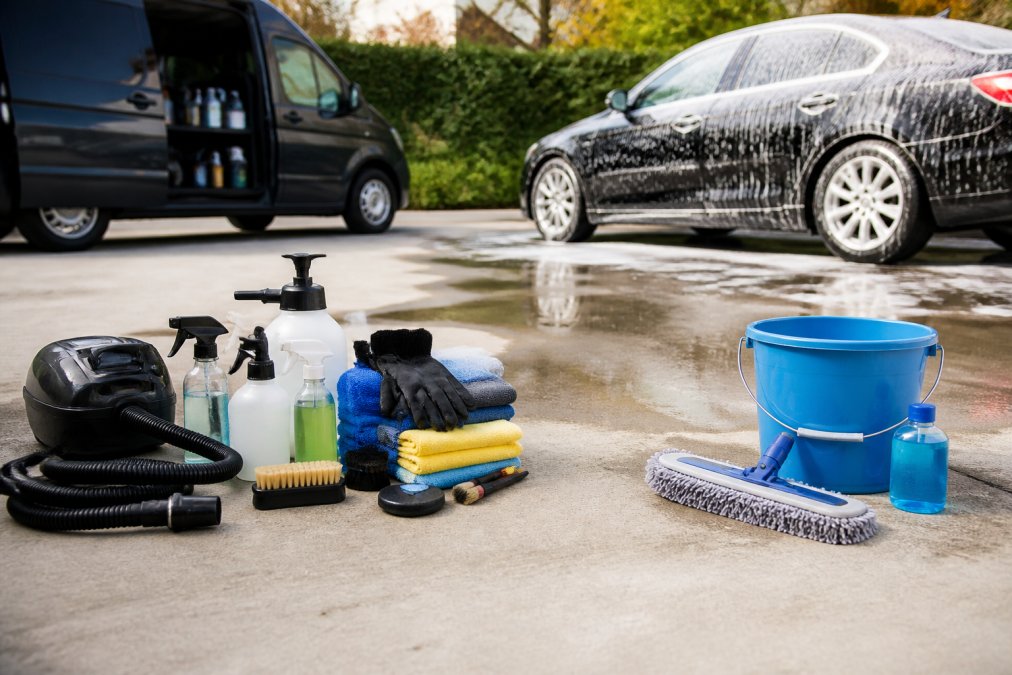
Mobile Detailing vs Car Wash: Which Saves Time and Protects Paint
Table of Contents
- Mobile Detailing vs Traditional Car Wash: The Core Difference
- Benefits of Mobile Car Detailing
- Why Traditional Car Washes Fall Short
- How Long Does a Mobile Car Detail Take
- What Is Included in a Full Car Detail
- Paint Protection and Long-Term Vehicle Health
- Making Your Choice: Mobile Detailing or Car Wash
- Frequently Asked Questions
Last Updated: August 29, 2026
Mobile Detailing vs Traditional Car Wash: The Core Difference
Mobile detailing vs car wash represents a fundamental choice in how you maintain your vehicle’s appearance and protection. The distinction goes far beyond convenience, it’s about the depth of care, the products used, and the long-term impact on your paint and interior.
A traditional car wash, whether automated or hand-operated at a facility, follows a standardized process: high-pressure jets, spinning brushes, and chemical solutions applied in sequence to dozens of vehicles daily. Mobile detailing, by contrast, brings professional-grade service directly to your location with customized attention to your specific vehicle’s needs.
At Clean Image 101, we’ve worked with vehicle owners who initially assumed all car cleaning services were essentially the same. What they discovered, often after experiencing subpar results elsewhere, is that the methodology, products, and expertise involved create vastly different outcomes for your paint’s health and your vehicle’s longevity.
The core difference isn’t just where the service happens. It’s about control, precision, and whether the service provider has time to address your vehicle’s unique condition or is simply moving through a checklist.
Benefits of Mobile Car Detailing
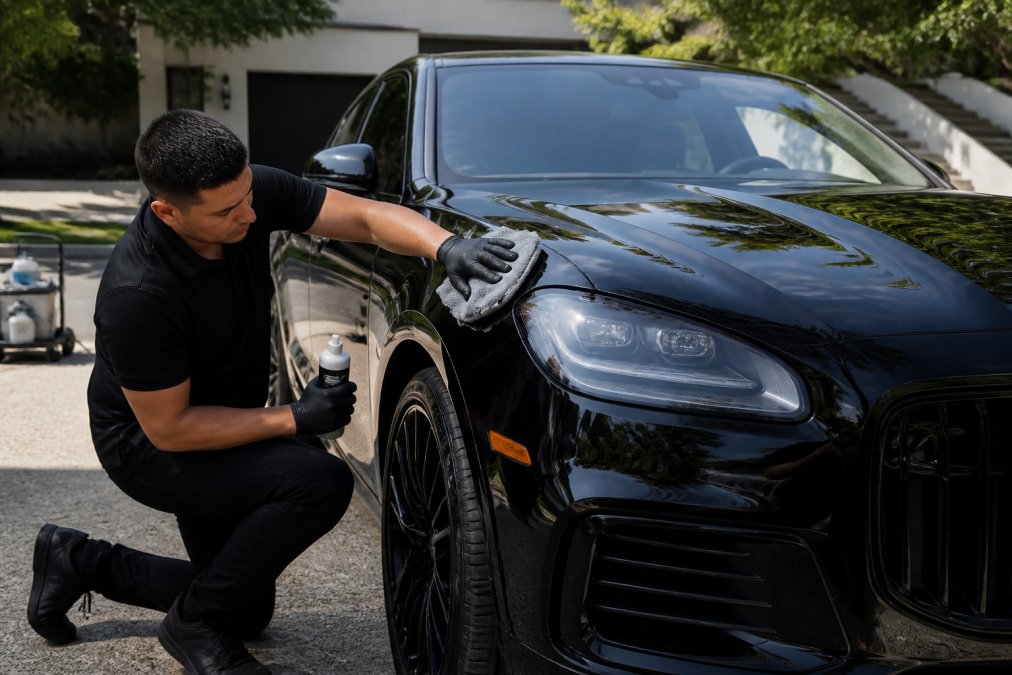
Mobile car detailing eliminates the friction of traditional car washing by bringing professional-grade service to your driveway or office parking lot. For busy professionals, this alone changes the equation, you reclaim hours that would otherwise disappear in drive time and waiting.
But convenience is only the surface benefit. The real advantage lies in what happens during the service. Mobile detailers work on one vehicle at a time with unhurried attention. They can inspect your paint under natural light, identify problem areas like swirl marks or water spots, and adjust their approach accordingly. A detailer working through a high-volume facility simply cannot offer this level of customization.
Professional mobile detailing services typically include deep cleaning that goes well beyond what automated or standard hand washes deliver. Clay bar treatments remove surface contaminants, industrial fallout, tree sap, brake dust, that regular washing leaves behind. Paint correction addresses existing damage. Interior shampooing and upholstery cleaning restore fabrics to condition that standard car washes never touch. These aren’t luxury add-ons; they’re foundational to protecting your vehicle’s resale value and aesthetic appeal.
The products matter significantly. Mobile detailers use professional-grade formulations, ceramic coatings, specialized waxes, and pH-balanced cleaners, that preserve your vehicle’s clear coat rather than stripping it. High-pressure jets at automated facilities can damage trim, seals, and sensitive areas; mobile professionals use controlled pressure and hand-washing techniques to avoid this risk.
Time efficiency deserves emphasis here. A full mobile detail typically takes 2-4 hours depending on your vehicle’s condition and the services selected (icar.org). During this time, you’re working, meeting with clients, or handling other priorities. The service adapts to your schedule, not the other way around.
Many vehicle owners don’t realize that water spots left after a car wash can etch your clear coat over time. Mobile detailers use distilled water and drying techniques specifically designed to prevent this damage, a detail that protects your paint’s longevity.
Why Traditional Car Washes Fall Short
Automated car washes and high-volume hand-wash facilities operate on a model that prioritizes speed and throughput. A vehicle spends 3-5 minutes in an automated tunnel (peer-reviewed research). A high-volume hand wash might allocate 10-15 minutes per vehicle. This is simply insufficient time for thorough cleaning and protective care.
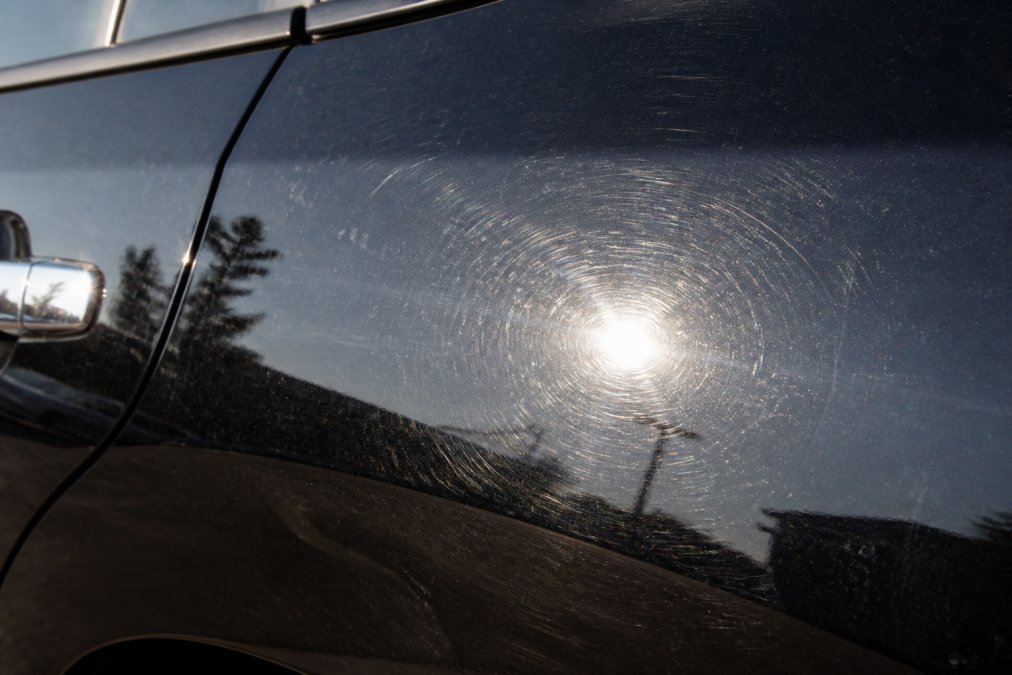
The mechanical approach creates its own problems. Spinning brushes and high-pressure jets can cause swirl marks, fine scratches that catch light and diminish your vehicle’s finish. These marks accumulate over time, and once they’re there, they require paint correction to remove. You’re essentially paying for damage that a gentler approach would have prevented.
Water quality is another overlooked factor. Automated facilities recycle water to reduce costs, which means your vehicle is often cleaned with water that’s already been used on dozens of other cars (the EPA). Mineral content builds up, leaving water spots on your paint and windows. These spots aren’t just cosmetic, they can etch your clear coat if left to sit in sunlight.
The standardized process ignores your vehicle’s actual condition. A luxury sports car with a ceramic coating needs different products and techniques than a work truck covered in mud and industrial grime. Traditional car washes apply the same treatment to everything. This one-size-fits-all approach often leaves specific problem areas, bug splatter, tree sap, brake dust, inadequately addressed.
Interior care is essentially nonexistent at traditional facilities. Your carpets, upholstery, and dashboard accumulate dirt, allergens, and debris that a quick vacuum or wipe-down doesn’t address. Mobile detailing services include interior shampooing and professional-grade cleaning that actually restores these surfaces.
Automated car washes can damage door seals, trim, and sensitive areas like cameras and sensors. The pressure and brush contact aren’t calibrated for individual vehicle variations. Once this damage occurs, repairs are expensive.
How Long Does a Mobile Car Detail Take
The time required for mobile car detailing varies based on your vehicle’s current condition and the specific services you select. A basic mobile detail, exterior wash, interior vacuum, and light interior cleaning, typically takes 1.5 to 2 hours. This is still a full professional service, not a quick wash.
A standard full detail, which includes paint protection and more thorough interior work, generally requires 3 to 4 hours. This timeframe allows for clay bar treatment, paint inspection and correction if needed, waxing or ceramic coating application, interior shampooing, and detailed trim work.
Specialized services extend this timeline. If your vehicle has significant paint damage, heavy interior soiling, or requires specialized treatments like bug removal and tree sap extraction, plan for 4 to 5 hours or potentially a split appointment across two days.
The key point: mobile detailers allocate time based on what your vehicle actually needs, not on a preset schedule. A vehicle in excellent condition might finish faster. One with neglected maintenance might require additional work. This flexibility is impossible at a facility-based car wash, where your slot is fixed regardless of your vehicle’s condition.
The time investment in mobile detailing is paid back through extended intervals between services. Vehicles receiving regular professional detailing need washing less frequently and maintain their appearance and protection longer than those relying on automated car washes.
::: professional versus DIY cleaning.
What Is Included in a Full Car Detail
A comprehensive mobile car detail addresses both exterior and interior, with attention to protection and longevity. Understanding what’s included helps you evaluate whether the service justifies the investment compared to traditional car washing.
Exterior services start with a thorough wash using pH-balanced products that don’t strip protective coatings. Clay bar treatment follows, which removes embedded surface contaminants that washing alone cannot address. Paint inspection identifies swirl marks, water spots, and other damage. Paint correction uses specialized compounds and techniques to restore the finish if needed. Waxing or ceramic coating application provides protective layers that shield your clear coat from UV damage, oxidation, and environmental contaminants. Trim and glass receive detailed attention, rubber seals are treated, windows are polished, and metal trim is cleaned and protected.
Book professional car care today →
Interior services include vacuuming of all carpeted areas, including under seats and in crevices where dirt accumulates. Upholstery shampooing uses professional-grade products to lift embedded dirt and allergens from fabric seats and carpets. Dashboard and trim receive detailed cleaning with products formulated to protect plastic and vinyl without leaving residue. Windows are cleaned inside and out. Leather conditioning is applied if your vehicle has leather seats, which prevents cracking and maintains suppleness.
Additional specialized services might include engine bay cleaning (carefully executed to avoid water damage to electrical components), headlight restoration if oxidation has clouded the lenses, or paint restoration for vehicles with faded or oxidized finishes.
The depth of a full detail is what separates it fundamentally from a traditional car wash. You’re not just removing visible dirt; you’re restoring, protecting, and conditioning every surface.
| Service Component | Mobile Detail | Automated Car Wash | Hand Wash Facility |
|---|---|---|---|
| Paint washing | Yes, gentle pressure | Yes, high pressure | Yes, variable |
| Clay bar treatment | Yes | No | Rarely |
| Paint correction | Optional/specialized | No | No |
| Wax or ceramic coating | Yes | No | Sometimes |
| Interior shampooing | Yes | No | No |
| Upholstery cleaning | Yes | No | No |
| Customized approach | Yes | No | No |
| Time allocated | 2-5 hours | 3-5 minutes | 10-15 minutes |
Paint Protection and Long-Term Vehicle Health
This is where the mobile detailing vs car wash decision has real financial consequences. Your vehicle’s paint isn’t just aesthetic, it’s a protective layer that prevents rust, oxidation, and structural damage. How you maintain it directly affects resale value and the vehicle’s functional lifespan.
Traditional car washes, particularly automated facilities, gradually degrade your paint through repeated exposure to high-pressure jets and abrasive brushes. Swirl marks accumulate. The clear coat thins. Water spots etch the finish. Over time, you’re paying for a service that’s actively damaging what you’re trying to protect.
Mobile detailing applies protective coatings, wax or ceramic, that shield your clear coat from UV rays, acid rain, bird droppings, tree sap, and oxidation. These coatings create a barrier that makes future washing easier and less likely to cause damage. A vehicle with a properly maintained ceramic coating can go longer between washes and will show fewer signs of wear over years of use.
Paint correction, offered as part of comprehensive mobile detailing, actually restores damaged finishes. If your paint has swirl marks from previous car washes or light scratches from weather and debris, professional correction removes these imperfections rather than just covering them up. This restoration is impossible at a traditional car wash.
Consider resale value. A vehicle with a well-maintained, swirl-free paint finish commands a premium in the used market. Buyers notice condition. A car that’s been through hundreds of automated car washes shows visible wear on the paint, dull spots, swirls, oxidation, that immediately signals poor maintenance. One that’s received regular professional mobile detailing maintains its finish and appearance, supporting higher resale prices.
The long-term math is compelling. Regular mobile detailing, quarterly or semi-annually depending on your climate and driving conditions, costs more per service than an automated car wash. But the extended intervals between services, the elimination of damage-causing high-pressure jets, and the protective coatings applied mean you’re actually spending less annually while achieving better results.
:::tip
If your vehicle has a ceramic coating applied through mobile detailing, you can extend washing intervals significantly. A properly coated vehicle might need washing only monthly instead of weekly or bi-weekly, which reduces both cost and the cumulative damage from frequent washing.
Making Your Choice: Mobile Detailing or Car Wash
The decision between mobile detailing and traditional car washing depends on what you’re optimizing for. If your priority is the absolute lowest cost with minimal time consideration, an automated car wash wins on price. You’ll spend less per wash. But you’ll also accumulate paint damage, water spots, and interior neglect that compounds over time.
If you own a vehicle you plan to keep for years, drive a luxury or specialty vehicle that deserves meticulous care, or care about resale value, mobile detailing is the better investment. Clean Image 101 works with vehicle owners who understand that the cheapest option isn’t the best option when it comes to protecting an asset that depreciates rapidly if neglected.
The convenience factor deserves weight too. Mobile detailing eliminates the friction of driving to a facility, waiting for your vehicle, and driving back. For busy professionals in Southern California, this reclaimed time has real value. You’re not just paying for a service; you’re buying back hours you’d otherwise lose.
Frequency matters in this calculation. If you’re washing your vehicle weekly, the cumulative damage from automated car washes becomes significant. If you’re detailing quarterly or semi-annually with professional mobile service, you’re maintaining protection and appearance with minimal damage risk.
One practical approach: use mobile detailing for thorough, protective care on a quarterly or semi-annual schedule, and supplement with occasional spot cleaning between details. This balances cost with the reality that vehicles accumulate dirt and require maintenance. The mobile detail handles the protective, restorative work; occasional washing handles the day-to-day dirt.
The choice ultimately reflects your priorities: lowest immediate cost versus long-term vehicle health and appearance. For vehicle owners who understand that paint protection and interior condition directly impact resale value and driving experience, mobile detailing emerges as the clear winner. Clean Image 101 specializes in bringing this level of professional care directly to your location, with the expertise to handle everything from sports cars requiring specialized paint restoration to family vehicles needing comprehensive interior shampooing. Book professional car care today and experience the difference that customized, unhurried attention makes for your vehicle’s appearance and longevity.
Frequently Asked Questions
Is mobile detailing as good as traditional car washing?
Mobile detailing and traditional car washes serve different purposes. Mobile detailing uses hand washing, clay bar treatments, and professional-grade products to remove surface contaminants and protect your paint. Traditional car washes rely on automated brushes and high-pressure jets that can create swirl marks and scratches. For paint protection and long-term vehicle health, mobile detailing provides superior results, though it takes longer and costs more than a basic drive-thru wash.
What are the disadvantages of mobile car washes?
Mobile car washes require advance scheduling and depend on weather conditions, rain or extreme heat can delay service. They also take 2-4 hours compared to 5-10 minutes at an automated facility. Water usage can be higher without waterless or eco-friendly methods. Additionally, quality varies by provider, so choosing an experienced team with a track record is essential to avoid paint damage or water spotting.
Does mobile detailing provide better paint protection than automatic car washes?
Yes. Mobile detailing includes clay bar treatments, paint correction, and ceramic coating options that remove embedded contaminants and create a protective layer. Automatic car washes use spinning brushes and high-pressure jets that can scratch the clear coat and cause swirl marks. Professional mobile detailers apply waxing and sealants that shield your paint from UV damage and environmental hazards for weeks or months, whereas automated washes offer no protection.
How should I choose between mobile detailing and a traditional car wash?
Choose mobile detailing if you own a luxury vehicle, want paint protection and deep cleaning, value convenience, or need specialized services like bug removal and paint restoration. Choose a traditional car wash for quick maintenance between details and budget-friendly basic cleaning. Many vehicle owners use both: regular car washes for routine maintenance and mobile detailing quarterly or semi-annually for comprehensive paint health and resale value.
This article was written using GrandRanker
Comments are closed.