5 Benefits of Ceramic Coating for Paint
Table of Contents
- What Ceramic Coating Does for Your Paint
- Protection from UV Rays and Oxidation
- Water Repellency and Hydrophobic Properties
- Easier Washing and Reduced Maintenance
- Enhanced Gloss and Deep Shine
- Resistance to Environmental Damage
- Ceramic Coating vs Wax for Cars
- How Long Does Ceramic Coating Last
- Frequently Asked Questions
Last Updated: October 7, 2026
What Ceramic Coating Does for Your Paint
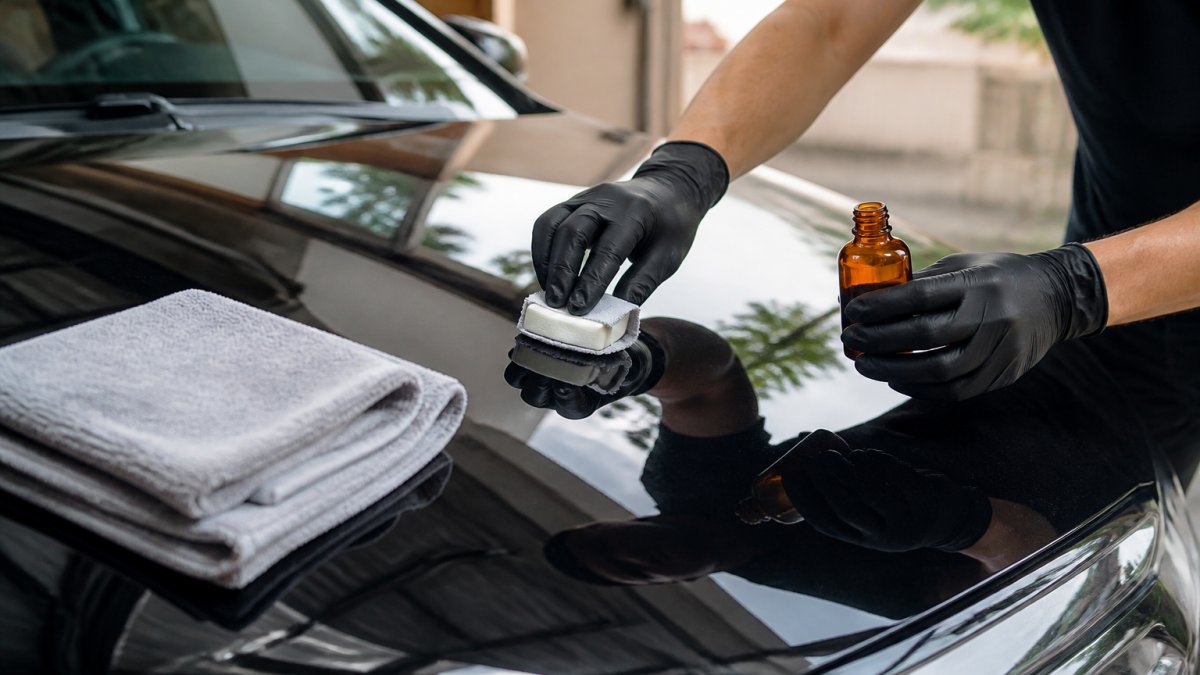
Ceramic coating is a liquid polymer that bonds to your vehicle’s clear coat, creating a protective layer that shields paint from UV rays, environmental contaminants, and oxidation. Understanding the 5 benefits of ceramic coating for paint, from UV protection to enhanced gloss, helps vehicle owners discover how ceramic coating transforms how their cars look and how much maintenance they require.
The coating forms a semi-permanent barrier on top of your paint. Unlike wax, it hardens and adheres to the surface, providing protection that can last several years with proper care.
Many owners ask whether ceramic coating is worth the investment. It depends on your vehicle and how much you care about its appearance. Luxury sports cars and professional vehicles benefit obviously, but even daily drivers see meaningful improvements in protection and shine.
The real advantage isn’t just protection, it’s convenience. After application, washing becomes simpler, dirt releases more easily, water spots are less likely, and your paint stays glossier without constant waxing.
Protection from UV Rays and Oxidation
UV rays damage automotive paint over time, causing oxidation that dullls the finish and creates a chalky appearance. Ceramic coating blocks these rays from reaching your clear coat, preventing the oxidation process before it starts.
Your paint is constantly exposed to the sun. Without protection, UV radiation breaks down the polymer chains in your clear coat, slowly but relentlessly. Ceramic coating absorbs UV energy so your paint doesn’t have to.
The protection isn’t absolute, ceramic coating won’t prevent all sun exposure effects over many years, but the difference is substantial. A coated vehicle maintains its gloss and color depth far longer than an uncoated one.
This matters most if you park outdoors. Daily drivers in direct sunlight see the biggest benefits, though garage-kept vehicles still get meaningful protection during time spent outside.
Professional application ensures proper bonding. We apply ceramic coating after thorough paint preparation, maximizing adhesion and effectiveness.
Water Repellency and Hydrophobic Properties
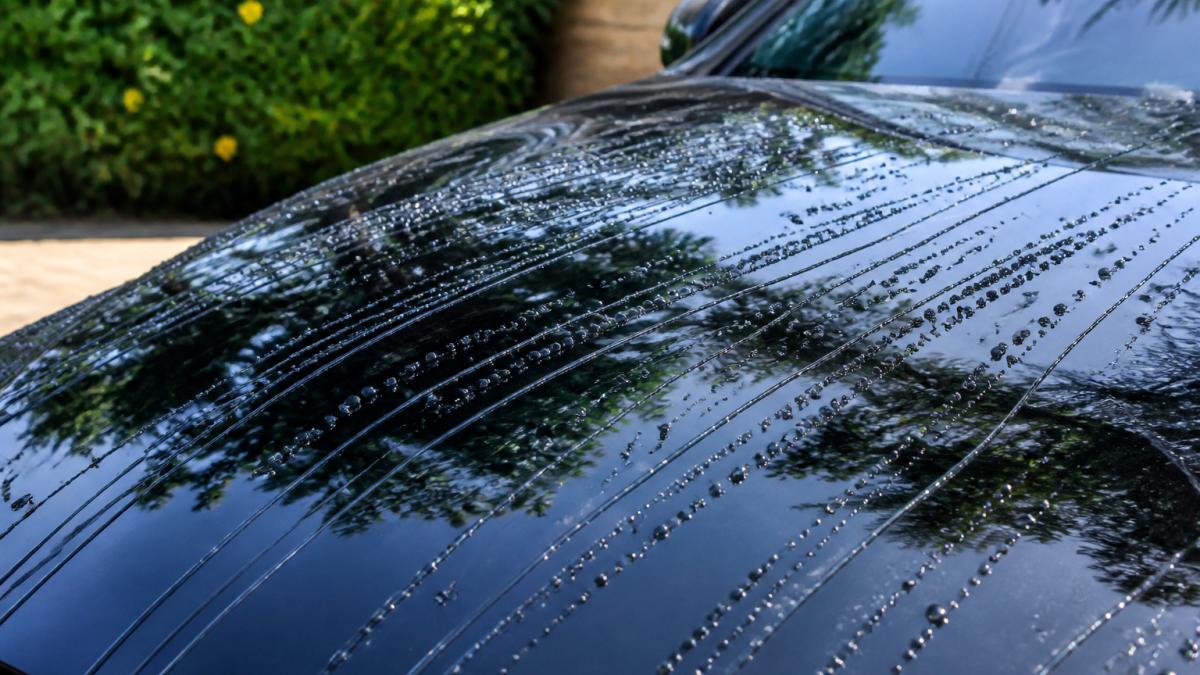
Ceramic coating creates a hydrophobic surface that repels water instead of allowing it to pool on your paint. When you wash your car, water beads up and rolls off rather than sitting on the surface.
This prevents water spots, which form when mineral-heavy water sits on paint and evaporates. With ceramic coating, water doesn’t stay long enough to leave deposits.
The hydrophobic effect also reduces water-related damage. Water can seep into micro-scratches and accelerate oxidation; repelling it keeps moisture away from vulnerable areas.
Rain and morning dew become less problematic, water beads and rolls off instead of clinging. This is especially useful in rainy or humid climates, keeping your car cleaner longer with rare water-related staining.
Easier Washing and Reduced Maintenance
Among the 5 benefits of ceramic coating for paint, one of the most practical is how much simpler car maintenance becomes. Dirt and grime release more easily during washing because they don’t bond as strongly to the ceramic surface.
You can wash with less aggressive techniques. Soft brushes and gentle soap work because contaminants don’t stick as firmly, reducing swirl marks and light scratches from vigorous scrubbing.
Most owners wash less frequently. Hydrophobic properties mean dirt doesn’t accumulate as quickly, so a coated vehicle stays cleaner longer between washes.
Reduced maintenance also means lower costs over time, no waxing every few months, no hours scrubbing stubborn dirt, and less intensive care to maintain appearance.
Enhanced Gloss and Deep Shine
Ceramic coating amplifies your paint’s natural gloss and creates a deeper, more vibrant finish. The coating fills microscopic imperfections in your clear coat, creating a smoother surface that reflects light more effectively.
This shine isn’t temporary. Unlike wax, which fades, ceramic coating maintains its gloss throughout its lifespan, your car looks freshly detailed for years, not weeks.
Colors appear richer and more saturated, black looks deeper, red and blue gain intensity. This visual enhancement is one reason luxury owners prioritize ceramic coating.
Professional application makes a significant difference. Proper preparation removes contaminants and old wax that dull the finish. We prepare your paint thoroughly before applying ceramic coating for maximum gloss and color depth.
Resistance to Environmental Damage
Your vehicle’s paint faces constant assault from environmental contaminants. Bird droppings, tree sap, road salt, acid rain, and industrial fallout all damage unprotected paint. Ceramic coating creates a barrier that resists these hazards.
Bird droppings and tree sap are particularly problematic, acidic and strongly bonding, they etch into clear coat within hours. Ceramic coating prevents direct contact, making removal much easier.
Book professional car care today →
Road salt corrodes paint, especially where winter de-icing is used. Ceramic coating prevents salt from reaching the clear coat, crucial in harsh-winter climates.
Acid rain and industrial fallout create stubborn chemical stains. Ceramic coating resists this damage, keeping paint pristine even in areas with poor air quality.
One limitation: ceramic coating doesn’t prevent all damage. A rock bouncing onto your hood will still chip the paint. It reduces chemical and environmental damage, but physical impacts still cause scratches and chips.
Ceramic Coating vs Wax for Cars
Wax and ceramic coating both protect paint, but sit at opposite ends of the durability and cost spectrum. Understanding how each works, and its cost per year of protection, is the only way to choose rationally.
How each product works. Traditional carnauba wax sits on top of the clear coat and melts or washes away as heat, detergent, and UV break it down.
Ceramic coating is different in kind, not degree. It is a liquid SiO2 or SiC polymer that chemically bonds to the clear coat and cures into a hard, semi-permanent film. Because the bond is chemical, it doesn’t wash off, it wears down over years.
Cost per year of protection. A quality DIY wax or sealant runs $15 to $40 per bottle and covers several applications, often under $50 per year if you apply it yourself.
A professionally applied ceramic coating involves an investment that varies based on vehicle size, paint condition, and the specific package chosen.
If you enjoy detailing your car as a hobby, wax is a perfectly reasonable choice. If you want to minimize the hours you spend maintaining the paint, ceramic coating usually wins on time saved even when it loses on upfront cost.
What each one actually protects against. Wax offers modest UV and contaminant resistance and enhances gloss for a few weeks, but does little against acid rain etching, bird dropping staining, or road salt long-term because it breaks down too quickly. Ceramic coating resists UV oxidation, chemical etching, and hydrophobic soiling for years and holds gloss far longer, but it is not scratch-proof and won’t stop rock chips or physical impacts.
Which one fits your situation.
- Garage-kept weekend car, mild climate, low mileage: Wax or a quality sealant is often the smarter spend. The paint is not under constant environmental stress, so the extra cost of ceramic coating is harder to justify.
- Daily driver parked outdoors, harsh sun or winters: Ceramic coating’s UV and salt resistance pays off, and the reduced washing effort compounds over years.
- Leased vehicle you will return in 2 to 3 years: A sealant may be enough. You will not own the car long enough to capture the full lifespan benefit of a premium coating.
- New or recently corrected paint you plan to keep 5+ years: Ceramic coating locks in the finish and protects your correction investment.
The honest trade-off. Ceramic coating is not automatically “better”, it is better value for some owners, worse for others. The break-even point usually arrives around year two or three for a daily driver, after which the coating is effectively free protection versus repeated waxing.
How Long Does Ceramic Coating Last
A ceramic coating’s lifespan isn’t a single number on a bottle, it results from product chemistry, surface preparation, environmental exposure, and post-application maintenance. Understanding what causes failure helps you get the most years out of it.
How coatings wear out. Ceramic coating doesn’t peel off in sheets under normal conditions. It degrades gradually through three mechanisms:
- Mechanical abrasion, every wash, wipe, and contact with a wash mitt or drying towel removes a microscopic amount of the coating. This is why touchless or two-bucket washing matters.
- Chemical attack, strong alkaline or acidic cleaners, harsh degreasers, and some automatic car wash detergents etch the SiO2 matrix and strip the hydrophobic top layer.
- Environmental breakdown, UV exposure, industrial fallout, and mineral deposits compromise the coating’s structure, especially on horizontal surfaces like the hood and roof.
When hydrophobic behavior fades and water stops beading, the coating isn’t necessarily gone, but its top layer is depleted and it needs maintenance or reapplication.
Realistic lifespan ranges.
- Consumer/DIY spray or wipe-on coatings: 6 to 12 months.
- Entry-level professional coatings: 1 to 2 years.
- Mid-grade professional coatings: 2 to 5 years.
- Premium multi-layer professional coatings: 5 to 10 years, though the upper end assumes ideal prep, climate, and maintenance.
Manufacturer warranties are tied to these tiers, and most require documented maintenance to stay valid.
What shortens lifespan.
- Skipping decontamination and correction before application, coating bonds poorly to contaminated or oxidized paint.
- Automatic car washes with spinning brushes, which abrade the coating and cause swirl marks.
- Harsh household detergents (dish soap) that strip the hydrophobic layer.
- Parking under trees (sap, bird droppings) or near industrial fallout.
- Intense sun and heat, which accelerate breakdown on horizontal panels.
- Long gaps between maintenance washes, letting contaminants bond.
Maintenance that actually extends life. A practical routine:
- Wash every 2 to 4 weeks with a pH-neutral, coating-safe shampoo using the two-bucket method or a quality touchless wash.
- Decontaminate every 6 to 12 months with an iron remover and, if needed, a light clay treatment, only if the surface feels rough.
- Apply a ceramic maintenance spray or topper every 3 to 6 months to refresh hydrophobic behavior and add a sacrificial layer.
- Avoid dish soap, abrasive polishes, and brush-style automatic washes entirely.
- Address bird droppings, sap, and bug splatter promptly, even coated paint can etch if acidic contaminants sit for days in the sun.
Do not polish a coated vehicle unless you intend to remove the coating. Abrasive polishing strips the ceramic layer along with any defects, and it must be reapplied afterward.
Signs it is time to reapply. Water no longer beads tightly, the surface feels grabby rather than slick, gloss looks flat, or the coating has passed its rated lifespan. A professional inspection can confirm whether maintenance will restore performance or a full reapplication is needed.
The value math. Because a coating’s cost is spread across its lifespan, extending it by a year or two meaningfully lowers the cost per year. A $1,200 coating lasting 3 years costs about $400 per year; maintained to 5 years, about $240. Maintenance isn’t an upsell, it’s what makes the original investment pay off.
Frequently Asked Questions
Is ceramic coating better than wax for cars?
Ceramic coating provides longer-lasting protection than wax, typically lasting 2-5 years versus 3-6 months for wax. Ceramic creates a harder, more durable protective layer bonded to the clear coat, offering superior resistance to UV damage, oxidation, and environmental contaminants. Wax is easier to apply and reapply but requires more frequent maintenance. For vehicles that need extended protection with minimal upkeep, ceramic coating is the more durable choice.
How long does ceramic coating last on a car?
Ceramic coating lifespan depends on product quality, application method, and maintenance practices. Professional-grade coatings typically last 2-5 years, while premium formulations can extend to 7-10 years. DIY applications generally last 6-12 months. Regular maintenance, including proper washing techniques and avoiding harsh chemicals, significantly extends coating durability. Factors like climate, vehicle storage, and driving frequency also influence how long the coating remains effective.
What does ceramic coating protect against?
Ceramic coating protects automotive paint from UV rays, oxidation, environmental contaminants, bird droppings, tree sap, acid rain, chemical stains, and water spotting. It creates a hydrophobic barrier that repels water and dirt, reducing easier cleaning needs. The coating also resists swirl marks and light surface damage. However, ceramic coating does not prevent deep scratches, rock chips, or major impacts, it protects the clear coat from environmental deterioration and enhances paint appearance.
Can I wash my car normally after ceramic coating?
Yes, but with proper technique. Avoid automatic car washes and harsh brushes that can damage the coating. Use the two-bucket method with soft microfiber wash mitts, pH-neutral car shampoo, and clean water. Dry with soft microfiber towels to prevent water spots. Most ceramic coatings cure fully within 7-14 days after application, during which you should avoid washing. Regular maintenance washing every 2-4 weeks keeps the coating performing optimally and maintains its hydrophobic properties.
Comments are closed.